Mauve-mouth Drill
Calotrophon ostrearum
Markings and exact colorations may vary.
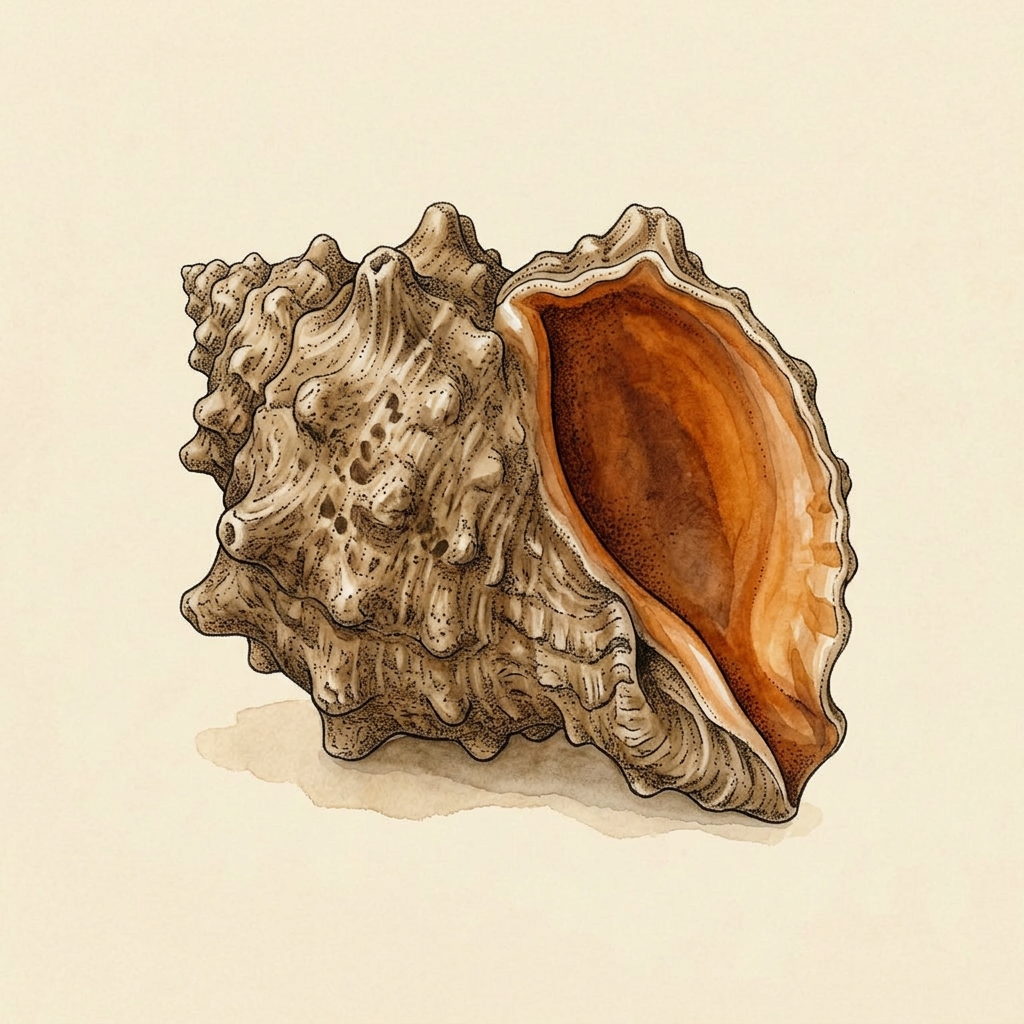
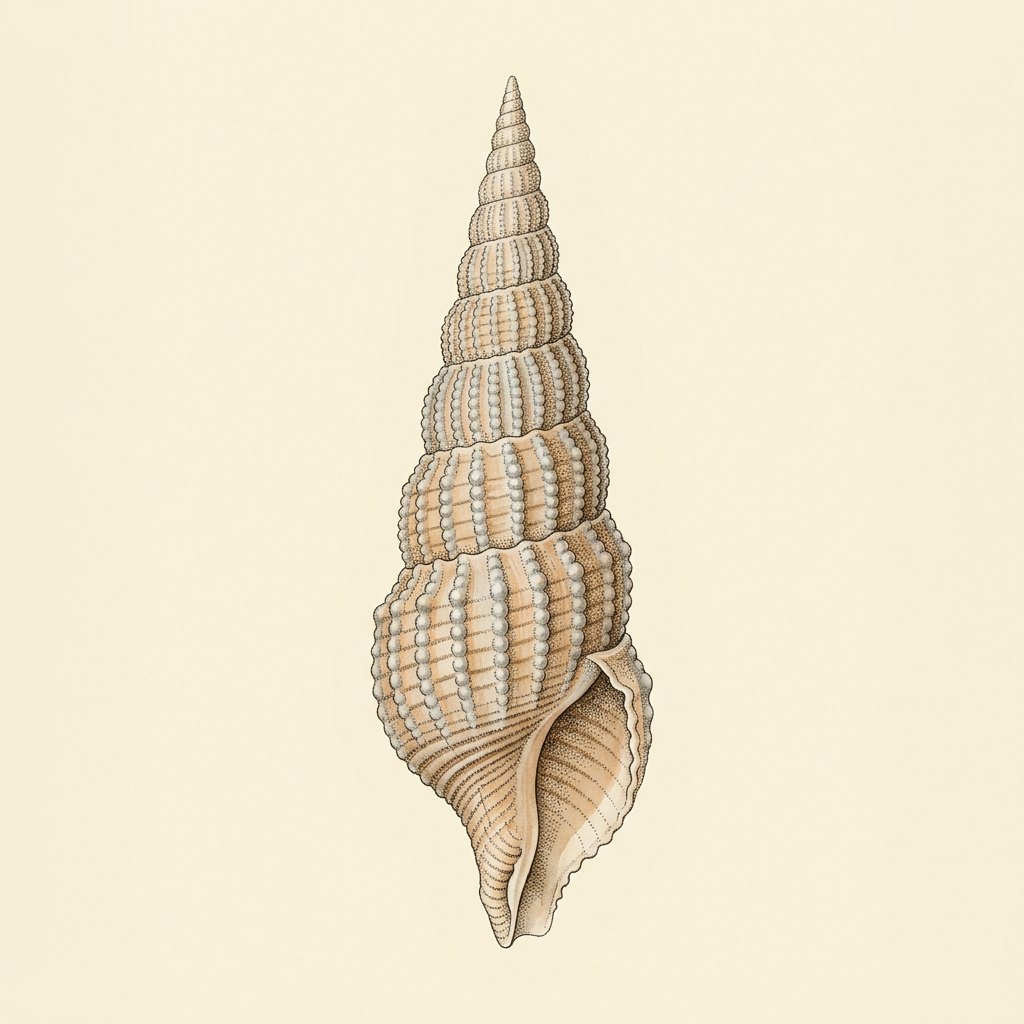
A small grey-brown drill with a purple-tinted mouth.
- Typical size
- 0.75–1.25 in
- How often it turns up
- Uncommon
- Collecting
- Restricted
- Handling
- Safe to handle
Empty shells are fine to keep on most public beaches. Live shelling is banned in Lee County and Florida state parks and needs a fishing license elsewhere — if an animal is inside, put it back.
How to tell it apart
- Spindle shape with axial ribs and spiral cords
- Grey to brown outside
- Aperture tinted mauve or purple
Where to find these in Florida
Beaches rated very good or excellent for shells. Each page shows today’s score, the best window and access details.
- Anclote Key Preserve State Park · Tarpon Springs
- Bean Point · Anna Maria
- Beer Can Island (Greer Island) · Longboat Key
- Boca Grande Public Beach · Boca Grande
- Bowman's Beach · Sanibel
- Captiva Beach · Captiva
- Cayo Costa State Park · Cayo Costa
- Delnor-Wiggins Pass State Park · Naples
- Don Pedro Island State Park · Cape Haze
- Dr. Julian G. Bruce St. George Island State Park · St. George Island
- Gasparilla Island State Park · Boca Grande
- Gulfside City Park (Algiers Beach) · Sanibel
Found one?
Photograph it and BeachNut ranks the likely matches with a confidence read, then logs it to your collection with the beach and date.
Browsing beaches and the full field guide is free. A free account logs unlimited finds and gives you three photo identifications a day.
Commonly confused with
Atlantic Oyster DrillUrosalpinx cinerea
Mauve-mouth drill has a purple-tinted aperture; the Atlantic oyster drill's is brown or grey.
Gulf Oyster DrillVokesinotus perrugatus
Gulf oyster drill has a darker, browner mouth and heavier ribs than the mauve-mouth drill.
More shells in the field guide
Get Florida beachcombing tips
Occasional emails: what's washing up, shelling tips and new BeachNut features. No spam, unsubscribe any time.