
Fossil Bone Fragment
Indeterminate
Markings and exact colorations may vary.
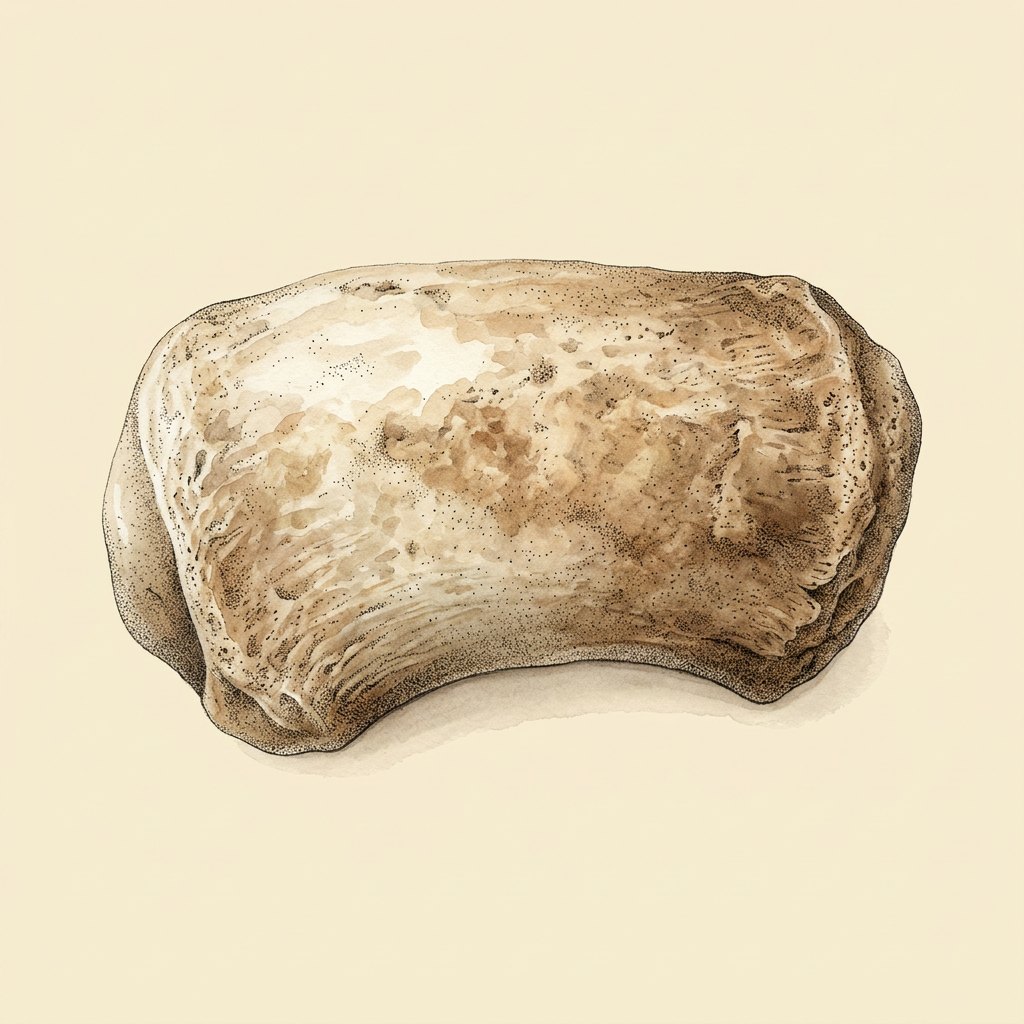
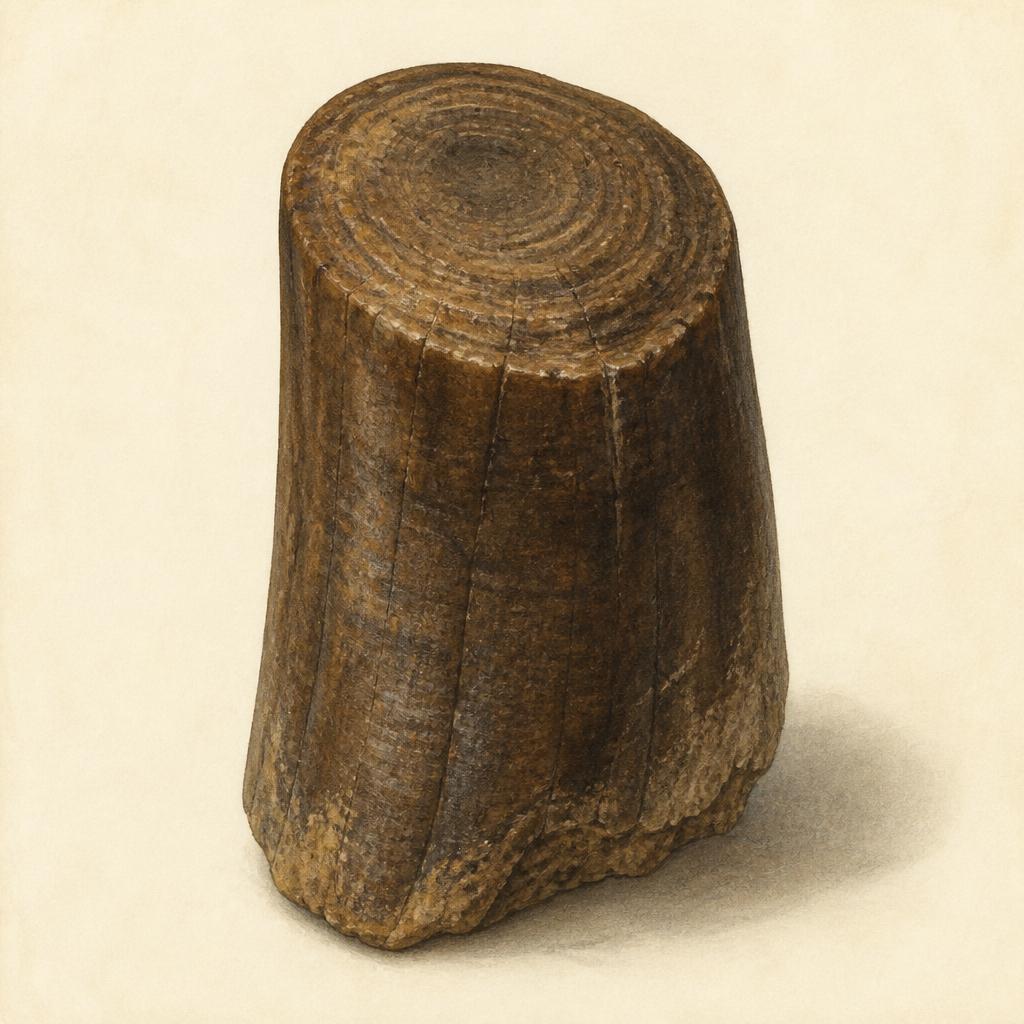
Dense, dark, porous fragments of ancient bone tumbled smooth by the surf.
- Typical size
- 1 to 4 inches
- How often it turns up
- Common
- Collecting
- Restricted
- Handling
- Safe to handle
Florida treats this as a vertebrate fossil: collecting one on state-owned land or water — including river bottoms and beaches below the high-tide line — needs a Florida Museum fossil permit. State parks and national seashores don't allow fossil collecting at all. If unsure, photograph it and leave it.
No hazard.
How to tell it apart
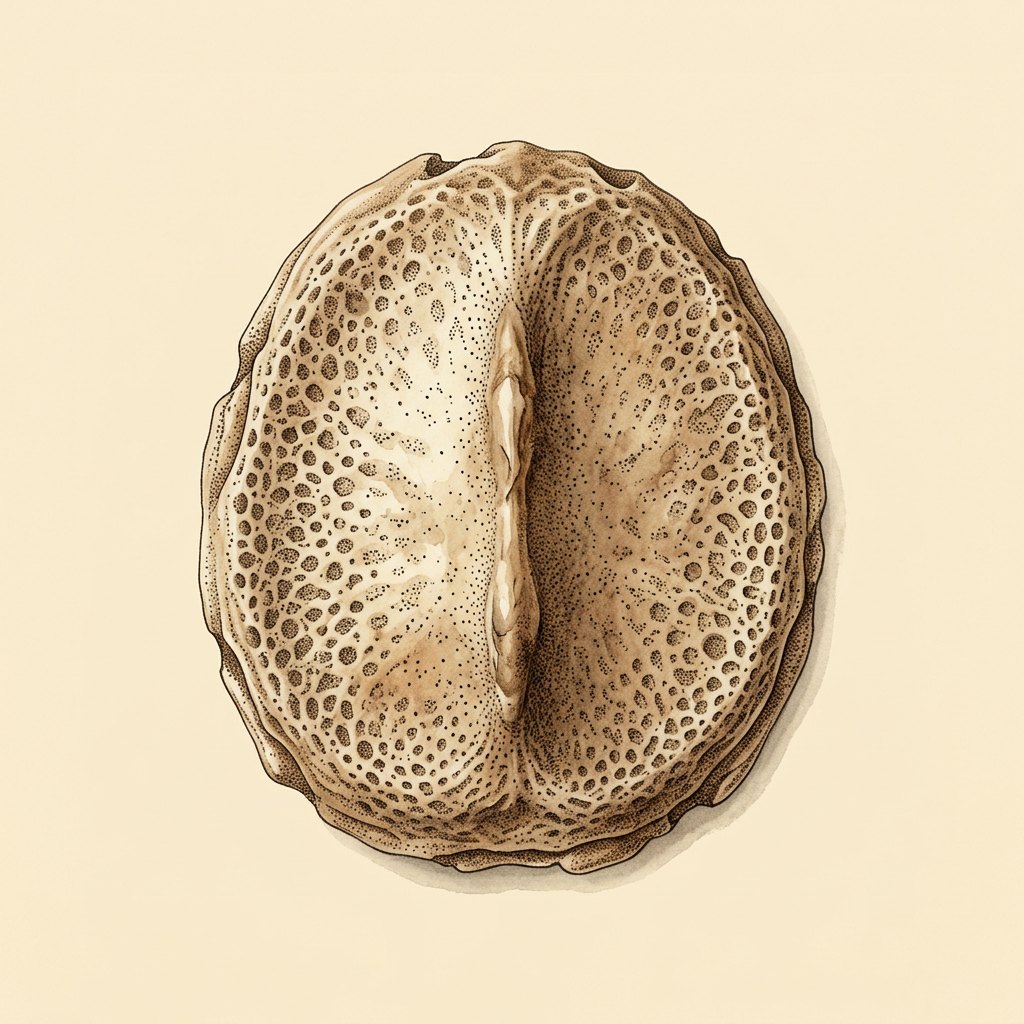
- Visible honeycomb pore structure in cross section
- Much heavier than a rock of the same size
- Dark brown to black
Where to find these in Florida
Beaches rated very good or excellent for fossils. Each page shows today’s score, the best window and access details.
- Caspersen Beach · Venice
- Englewood Beach (Chadwick Park) · Englewood
- Stump Pass Beach State Park · Englewood
- Turner Beach · Captiva
- Turtle Beach · Siesta Key
Found one?
Photograph it and BeachNut ranks the likely matches with a confidence read, then logs it to your collection with the beach and date.
Browsing beaches and the full field guide is free. A free account logs unlimited finds and gives you three photo identifications a day.
Commonly confused with
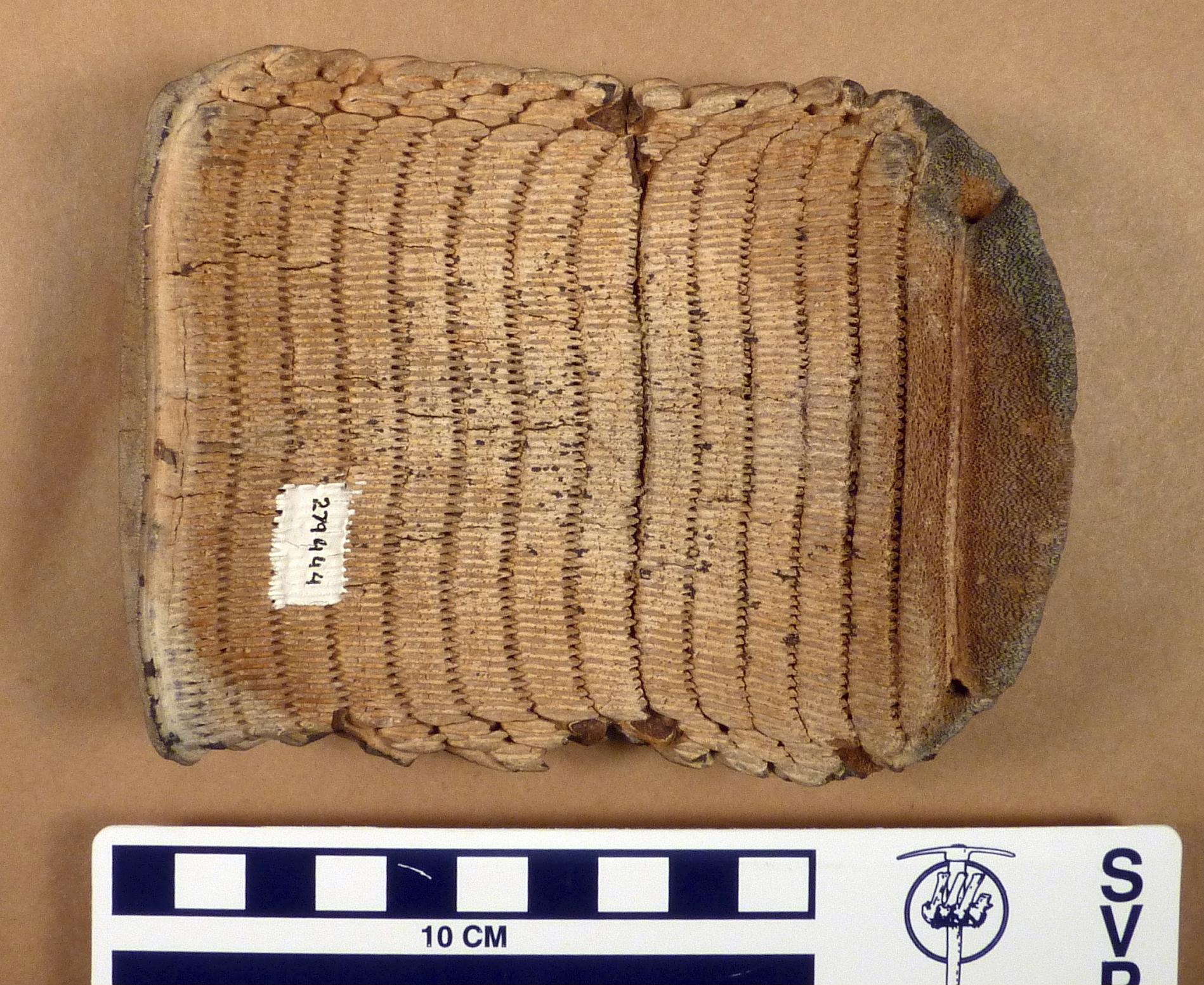
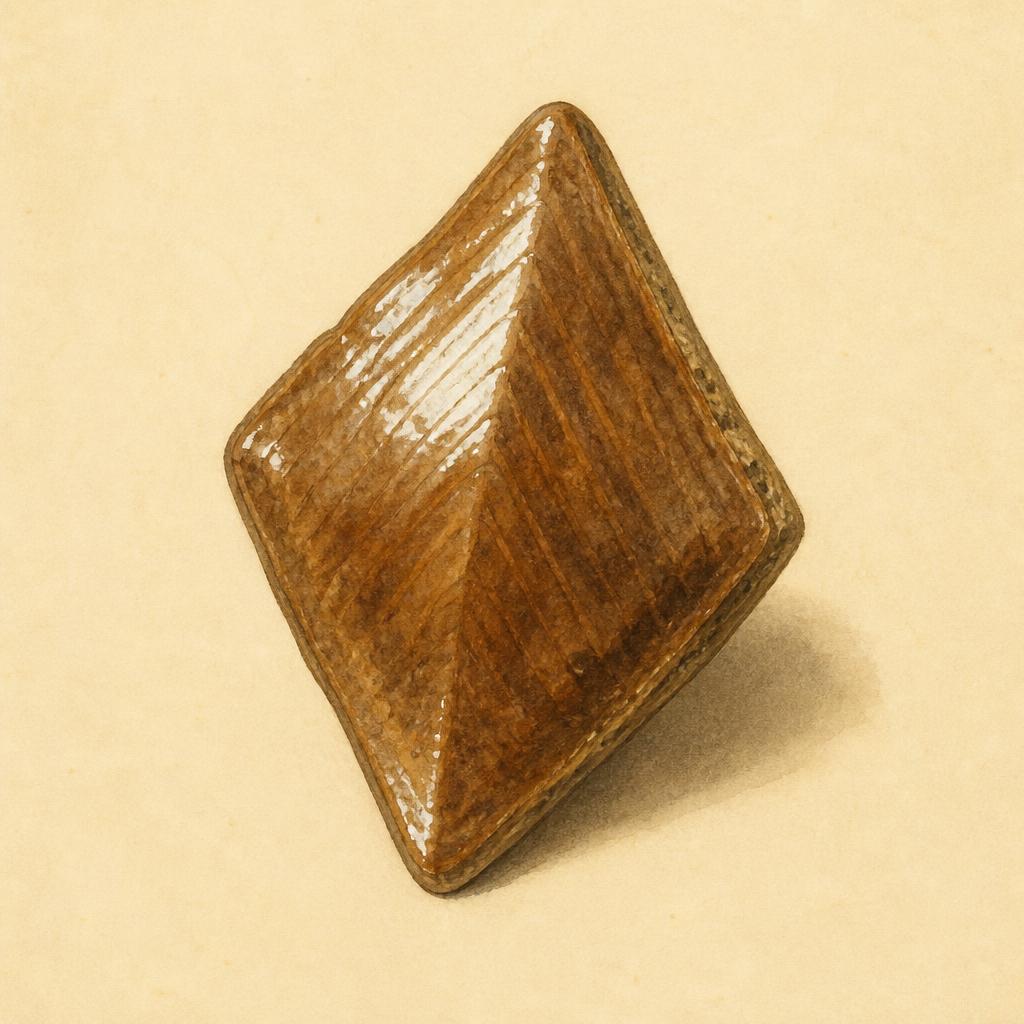
Ray Dental PlateRhinoptera species
Ray plates show fine parallel ribbing on a flat face. Bone fragments show a honeycomb pore structure.
More fossils in the field guide
Get the weekend beach score by email
Before each weekend: which Florida beaches score best for finds. No spam, unsubscribe any time.