Eagle Ray Dental Plate
Myliobatis and Aetobatus species
Also known as Ray Tooth, Ray Mouth Plate
Markings and exact colorations may vary.
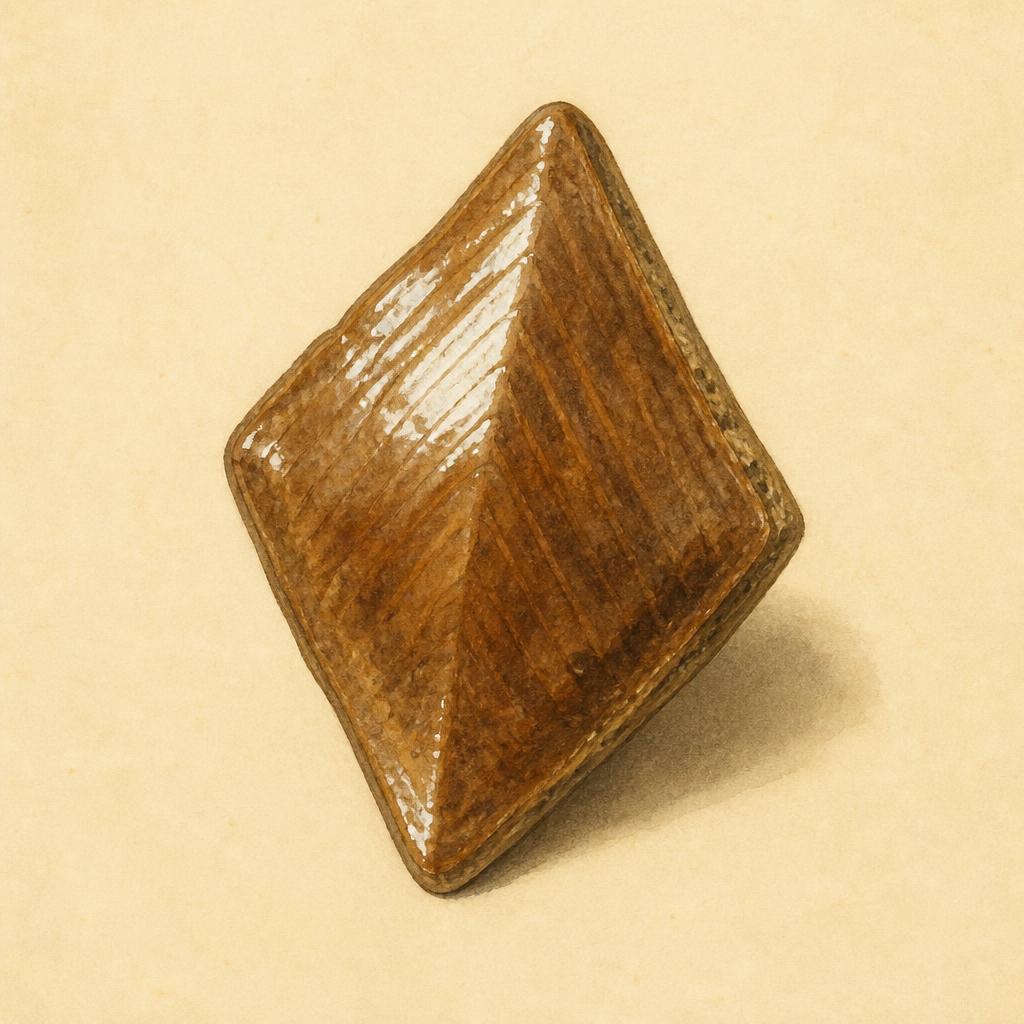
A flat, shiny black plate made of hexagonal tooth bars, used by eagle rays to crush shellfish.
- Typical size
- 0.5–2 in fragments
- How often it turns up
- Common
- Collecting
- Usually legal to collect
- Handling
- Safe to handle
Fossil shark and ray teeth need no permit on Florida beaches. Collecting is banned in Florida state parks and national seashores, and private property needs the owner's permission.
How to tell it apart
- Flat plate of neatly fitted tooth bars
- Wide central bars, often with small hexagonal side teeth
- Comb-like root ridges on the underside
Where to find these in Florida
Beaches rated very good or excellent for fossils. Each page shows today’s score, the best window and access details.
- Caspersen Beach · Venice
- Englewood Beach (Chadwick Park) · Englewood
- Stump Pass Beach State Park · Englewood
- Turner Beach · Captiva
- Turtle Beach · Siesta Key
Found one?
Photograph it and BeachNut ranks the likely matches with a confidence read, then logs it to your collection with the beach and date.
Browsing beaches and the full field guide is free. A free account logs unlimited finds and gives you three photo identifications a day.
Commonly confused with
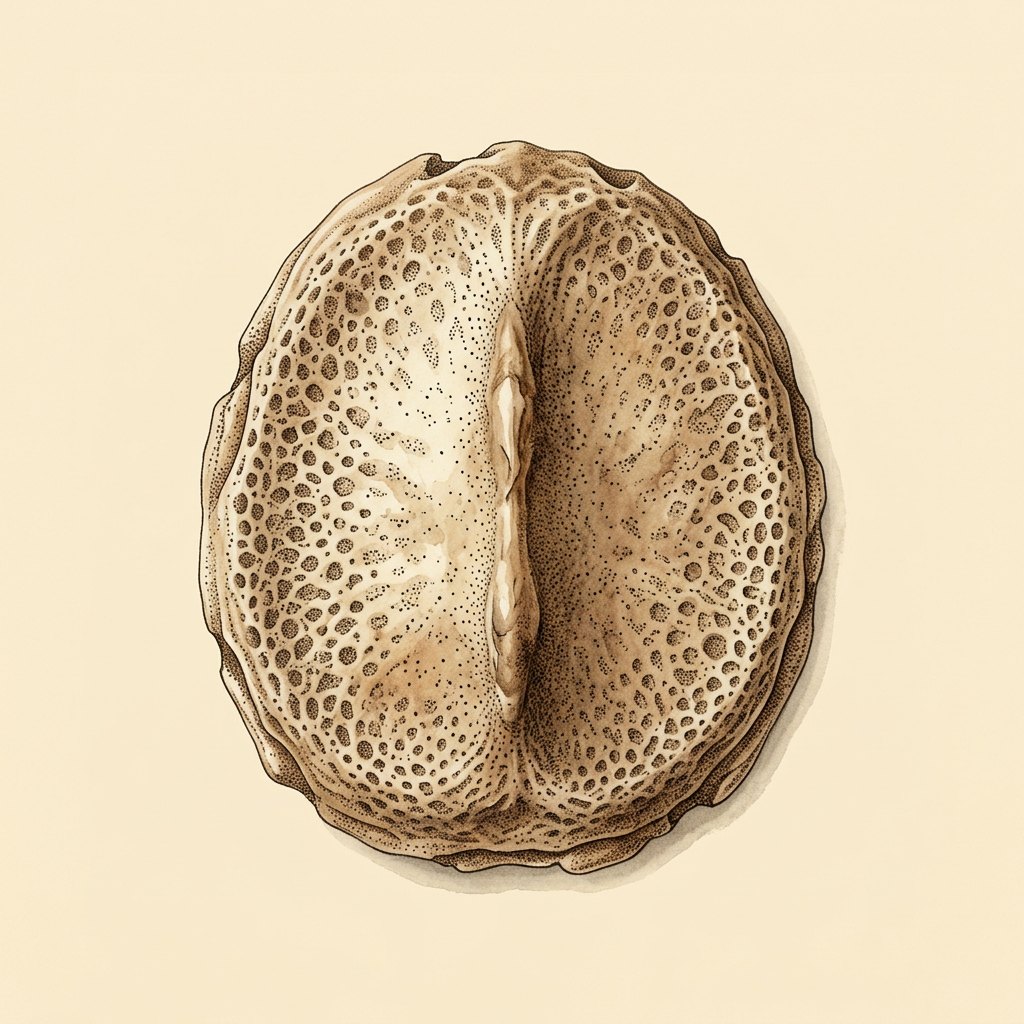
Porcupinefish Crushing PlateDiodon species
Ray plates are flat bars side by side; porcupinefish plates are beak-shaped with stacked coin-like layers.
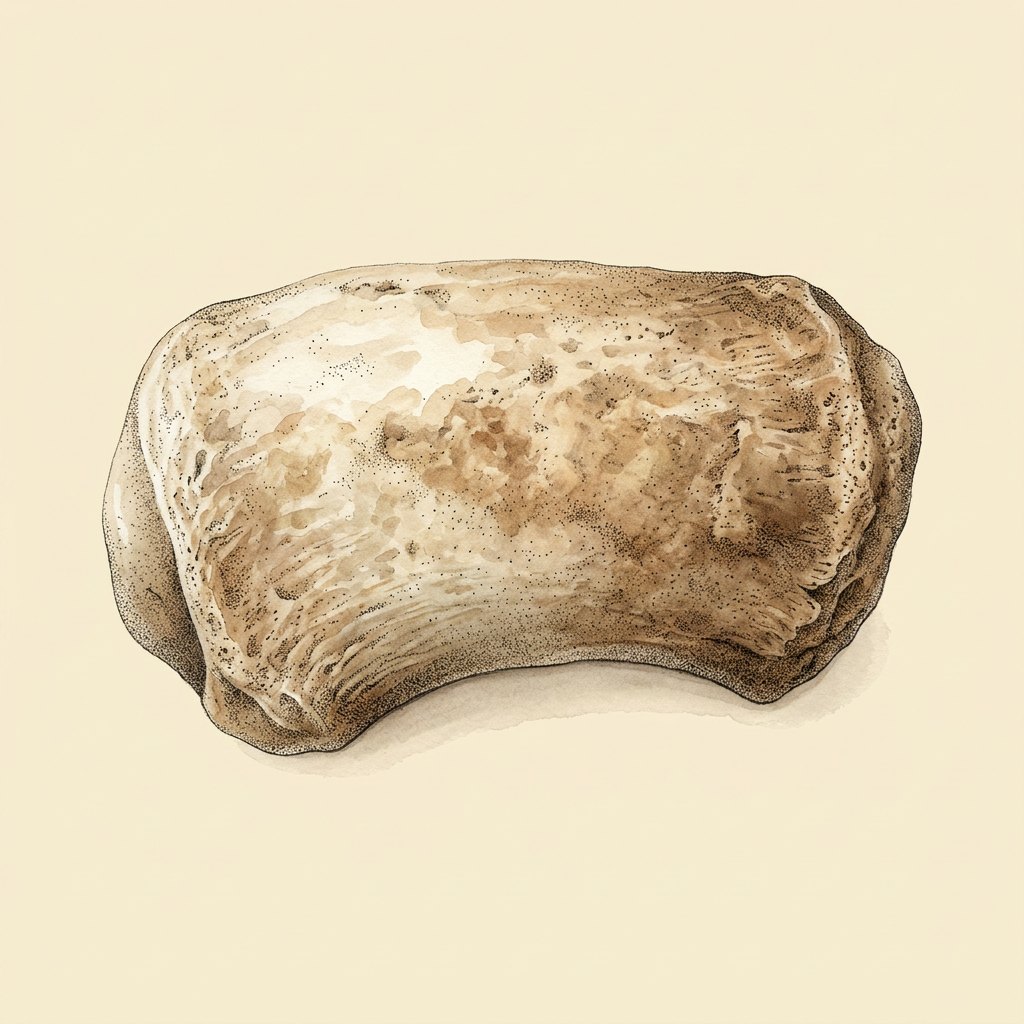
Ray Dental PlateRhinoptera species
Eagle ray plates often have small hexagonal side teeth; cownose plates are rows of long bars only.
More fossils in the field guide
Get Florida beachcombing tips
Occasional emails: what's washing up, shelling tips and new BeachNut features. No spam, unsubscribe any time.