Contorted Tiger Shark Tooth
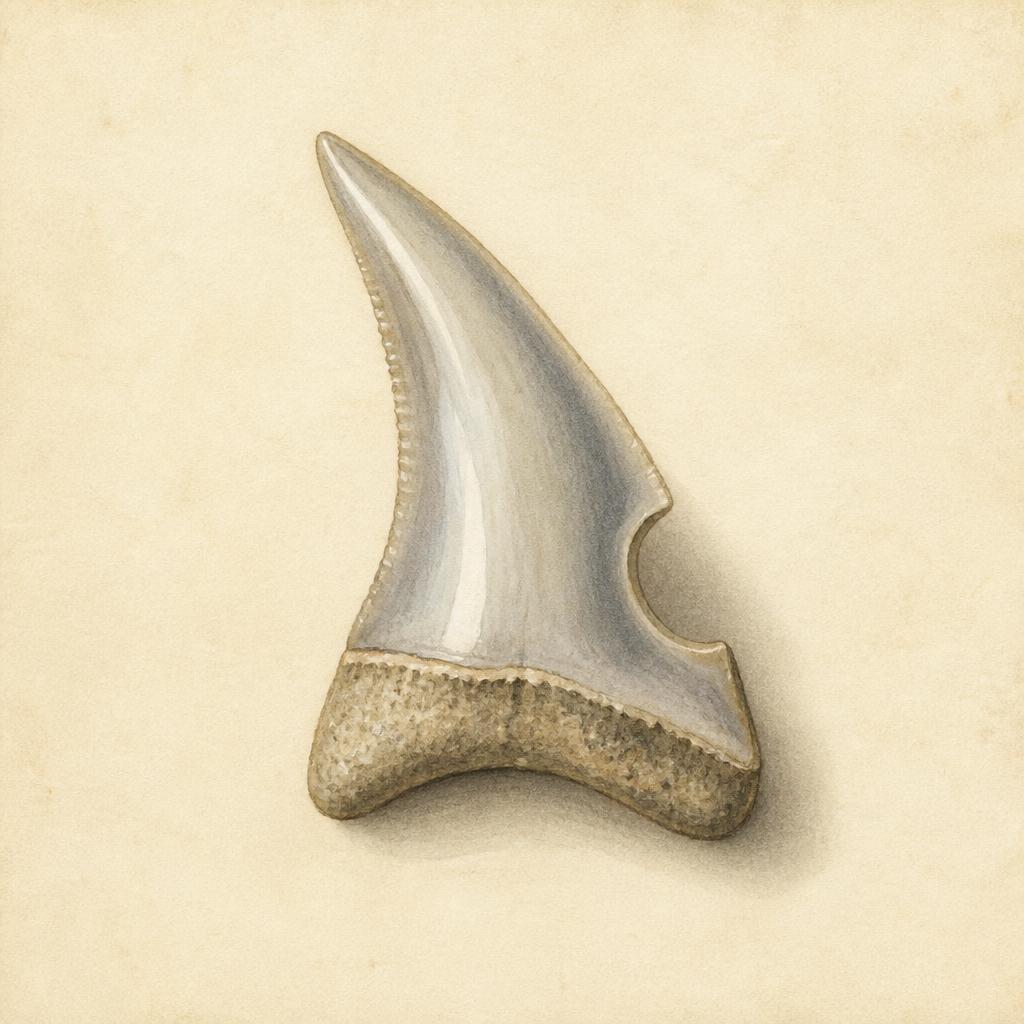
Physogaleus contortus
Markings and exact colorations may vary.
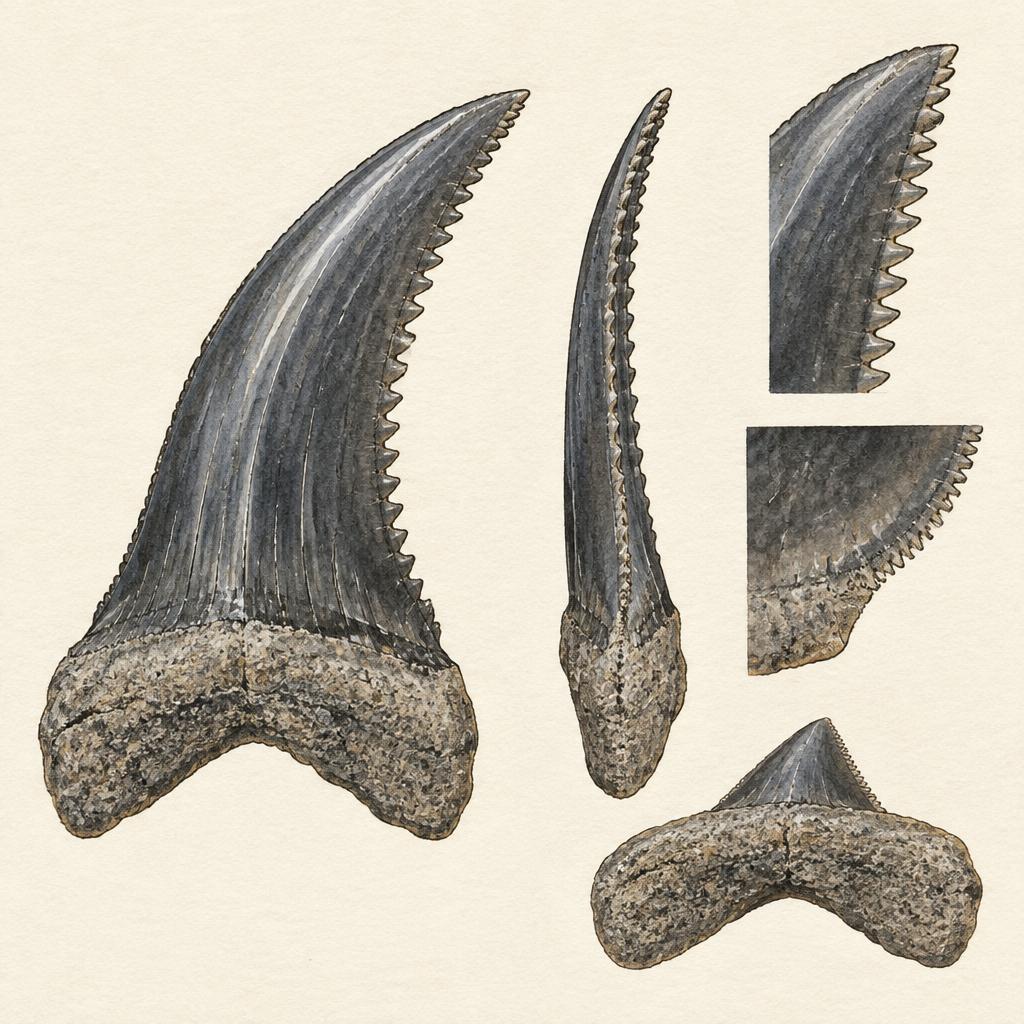
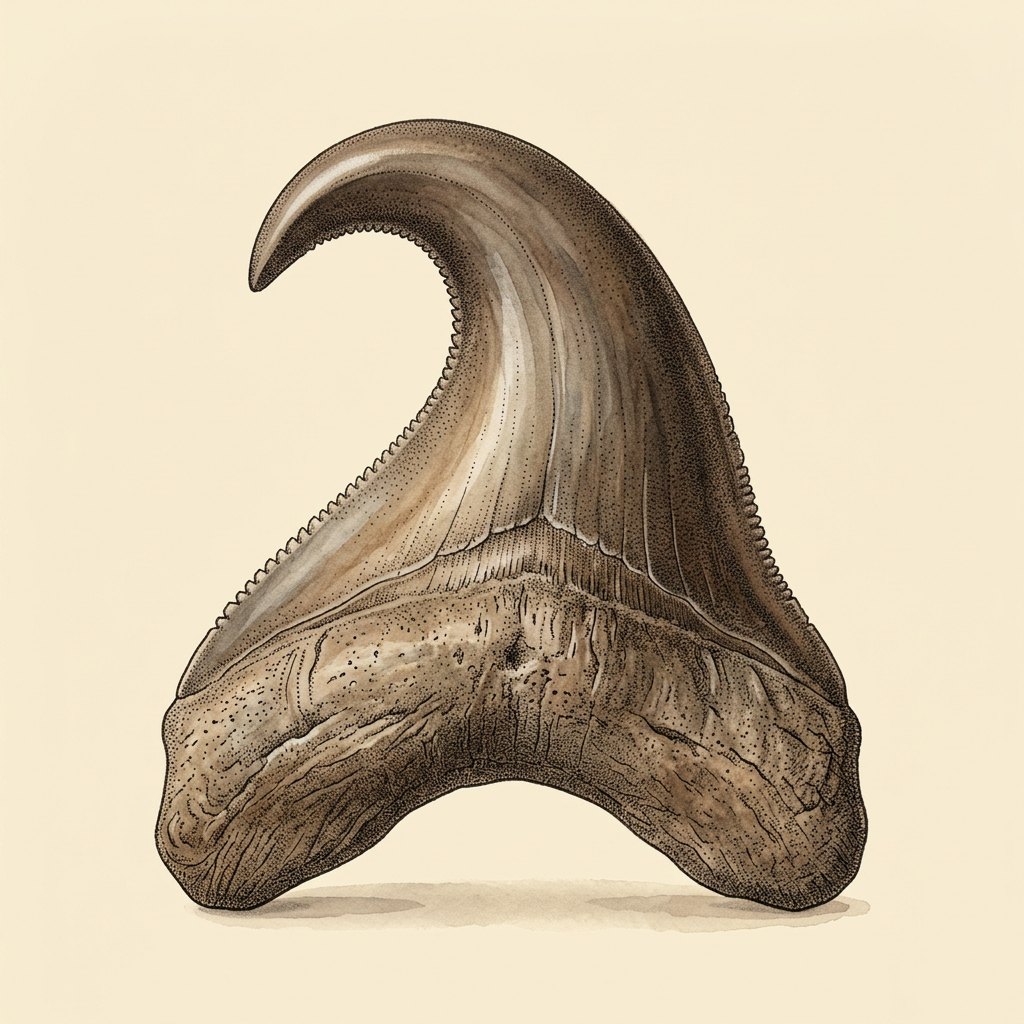
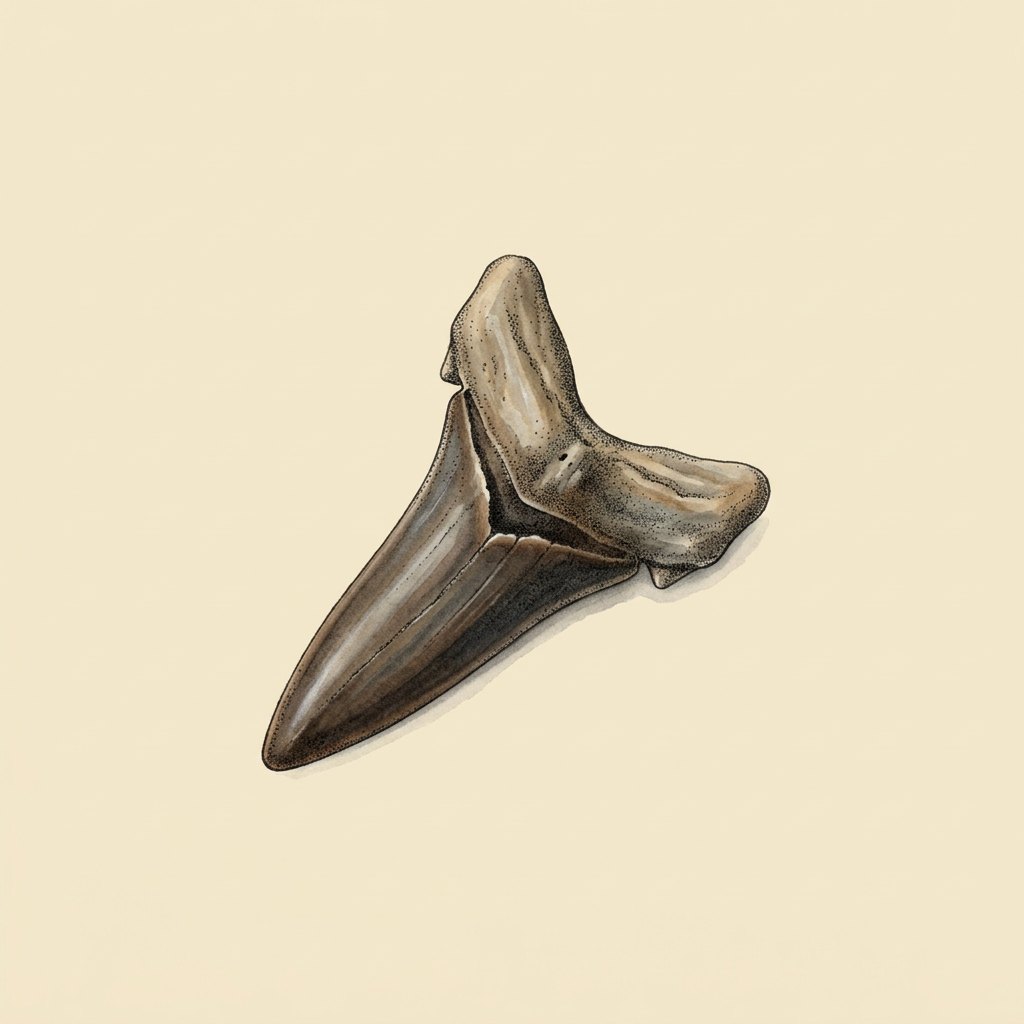
A small fossil tooth with a narrow, twisted cusp that curves like a sickle.
- Typical size
- 0.3–0.8 in
- How often it turns up
- Uncommon
- Collecting
- Usually legal to collect
- Handling
- Safe to handle
Fossil shark and ray teeth need no permit on Florida beaches. Collecting is banned in Florida state parks and national seashores, and private property needs the owner's permission.
How to tell it apart
- Narrow cusp twisted and curved sideways
- Weak serrations or nearly smooth edges
- Small heel; tooth often under an inch
Where to find these in Florida
Beaches rated very good or excellent for shark teeth. Each page shows today’s score, the best window and access details.
- Caspersen Beach · Venice
- Englewood Beach (Chadwick Park) · Englewood
- Fort Clinch State Park · Fernandina Beach
- Lighthouse Point Park · Ponce Inlet
- Stump Pass Beach State Park · Englewood
- Turner Beach · Captiva
- Venice Beach · Venice
- Amelia Island State Park · Amelia Island
- Anastasia State Park · St. Augustine
- Bethune Beach · New Smyrna Beach
- Brohard Paw Park · Venice
- Crescent Beach · St. Augustine
Found one?
Photograph it and BeachNut ranks the likely matches with a confidence read, then logs it to your collection with the beach and date.
Browsing beaches and the full field guide is free. A free account logs unlimited finds and gives you three photo identifications a day.
Commonly confused with
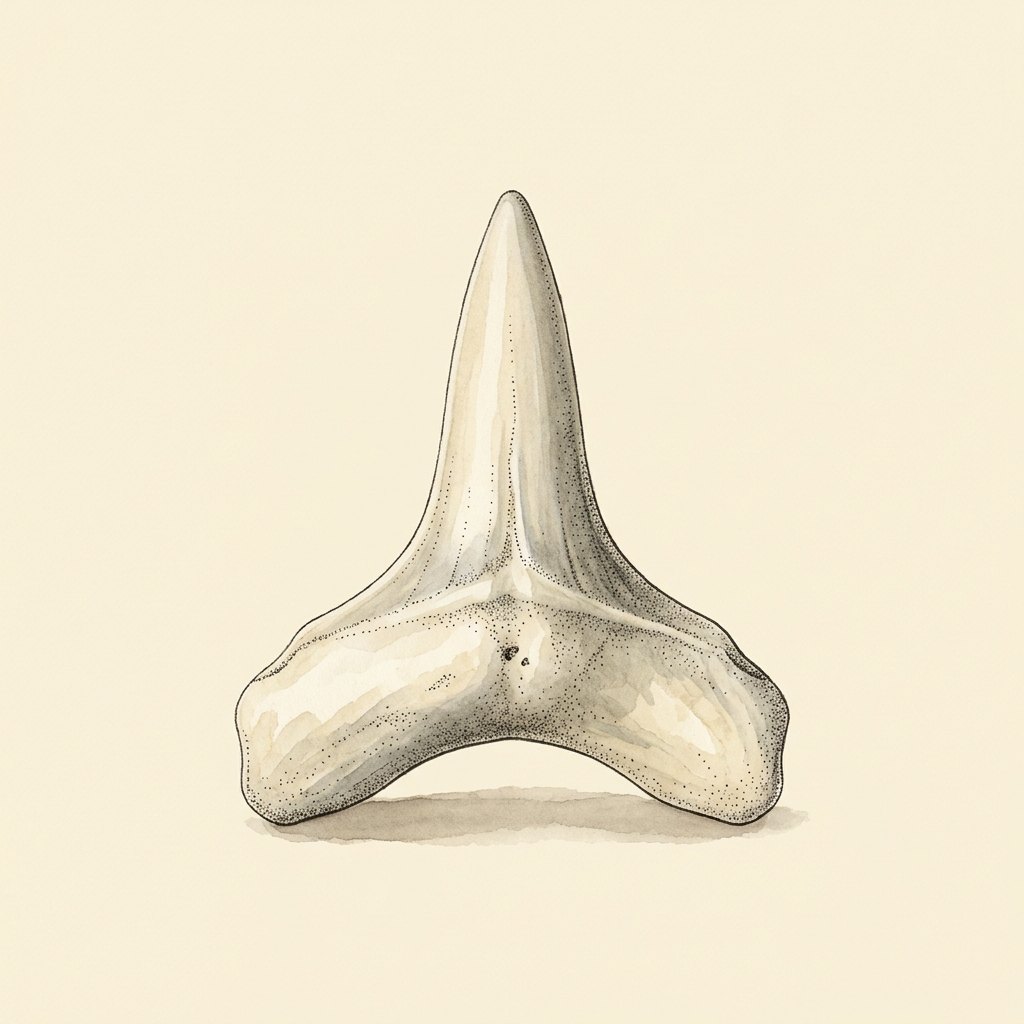
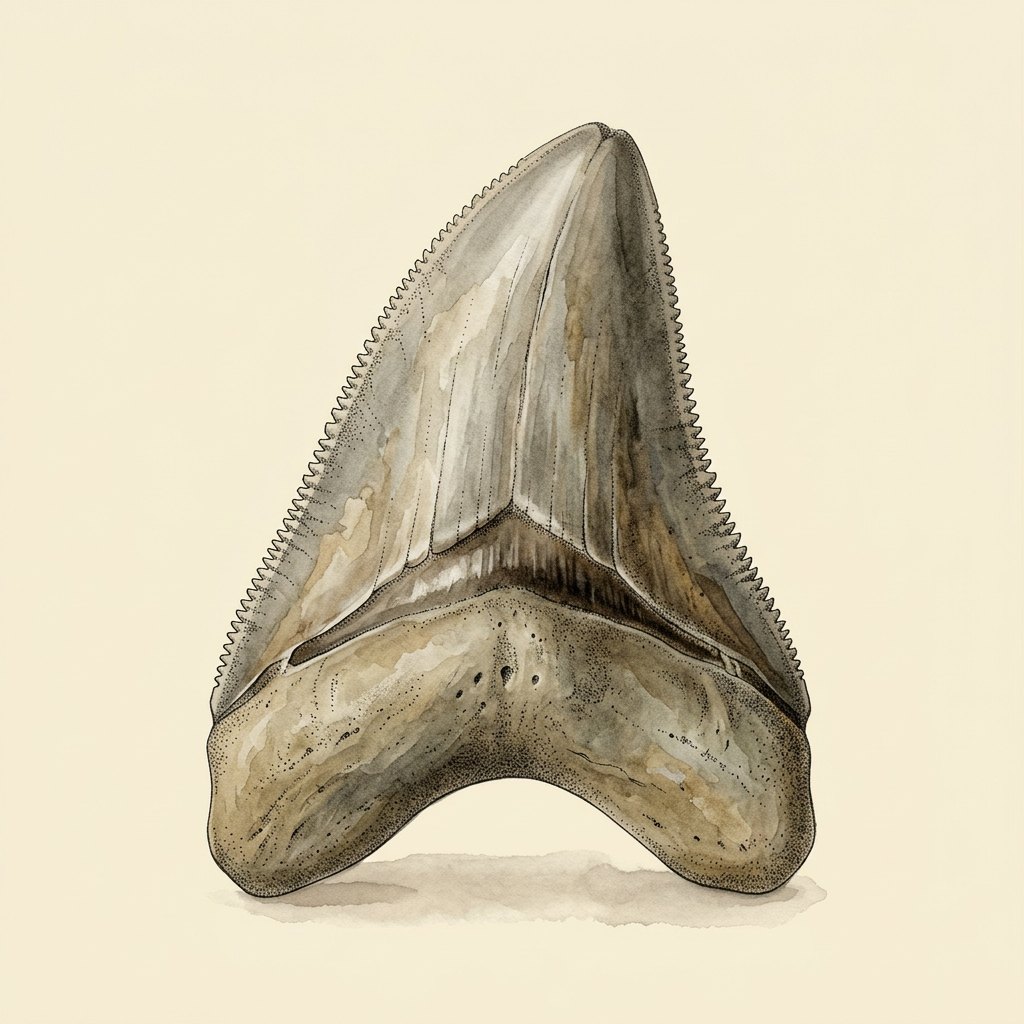
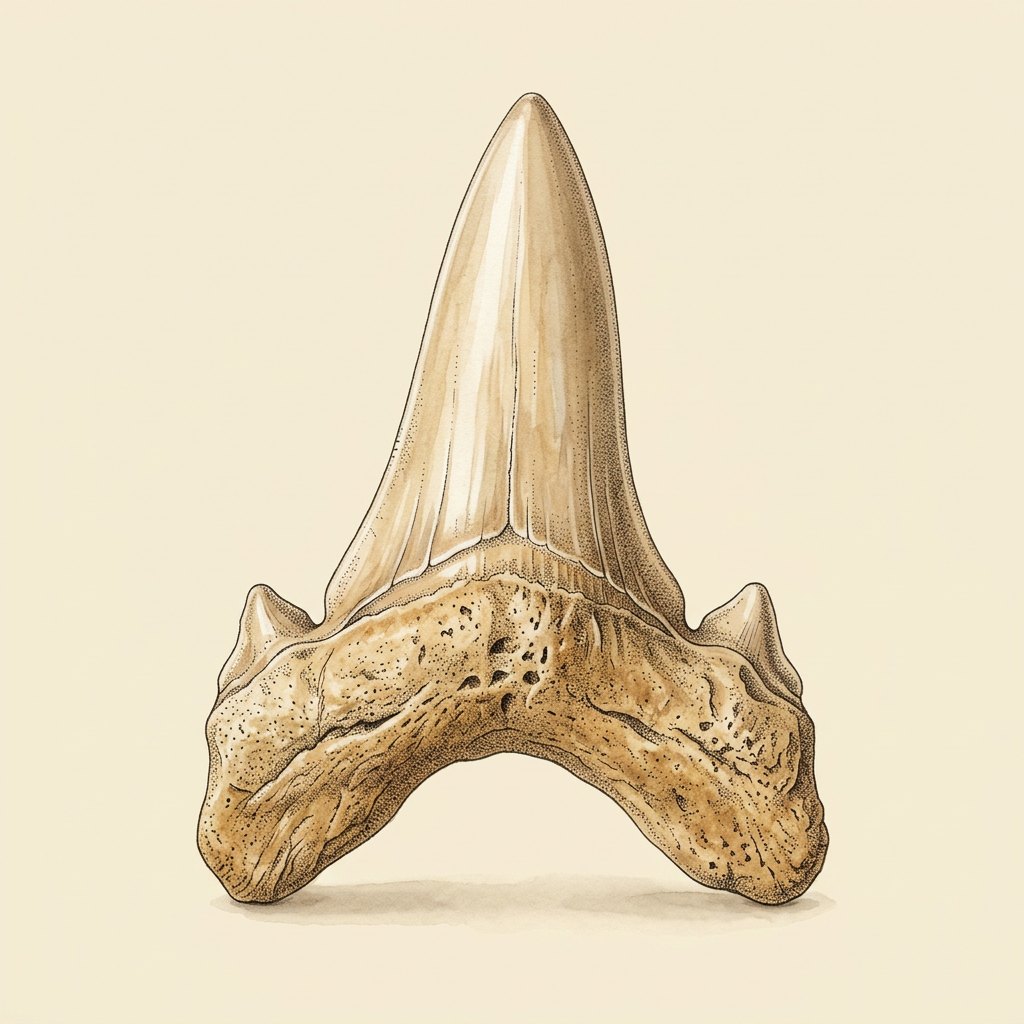
Tiger Shark ToothGaleocerdo cuvier
Modern tiger teeth are broad and coarsely serrated; contorted teeth are narrow and twisted.
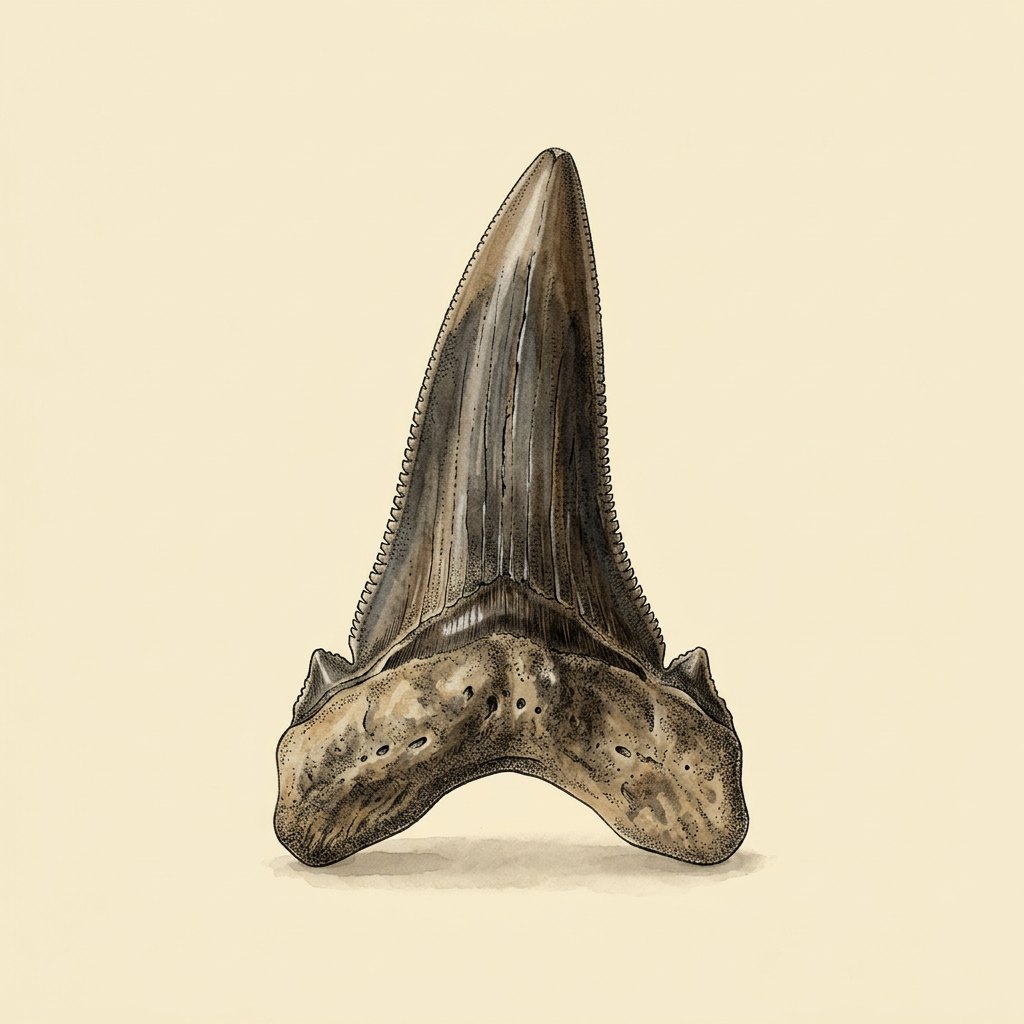
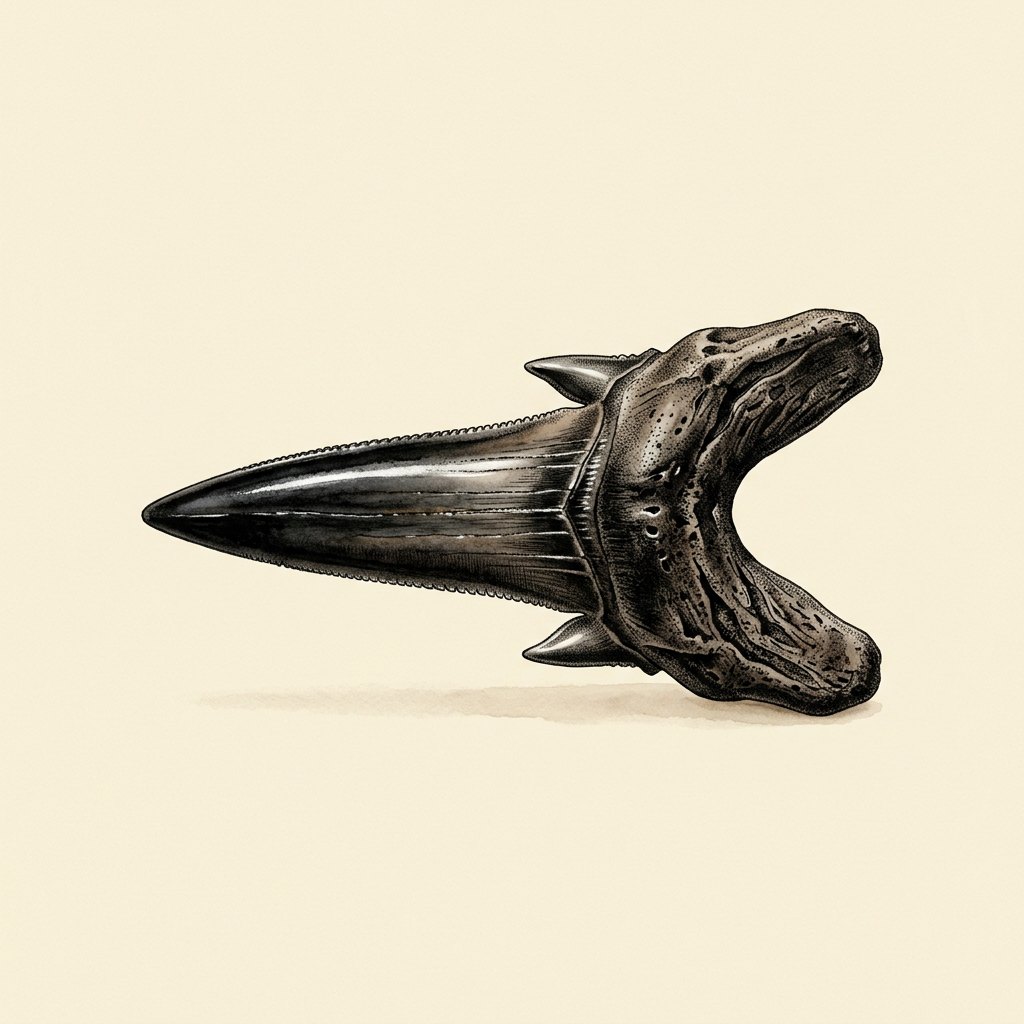
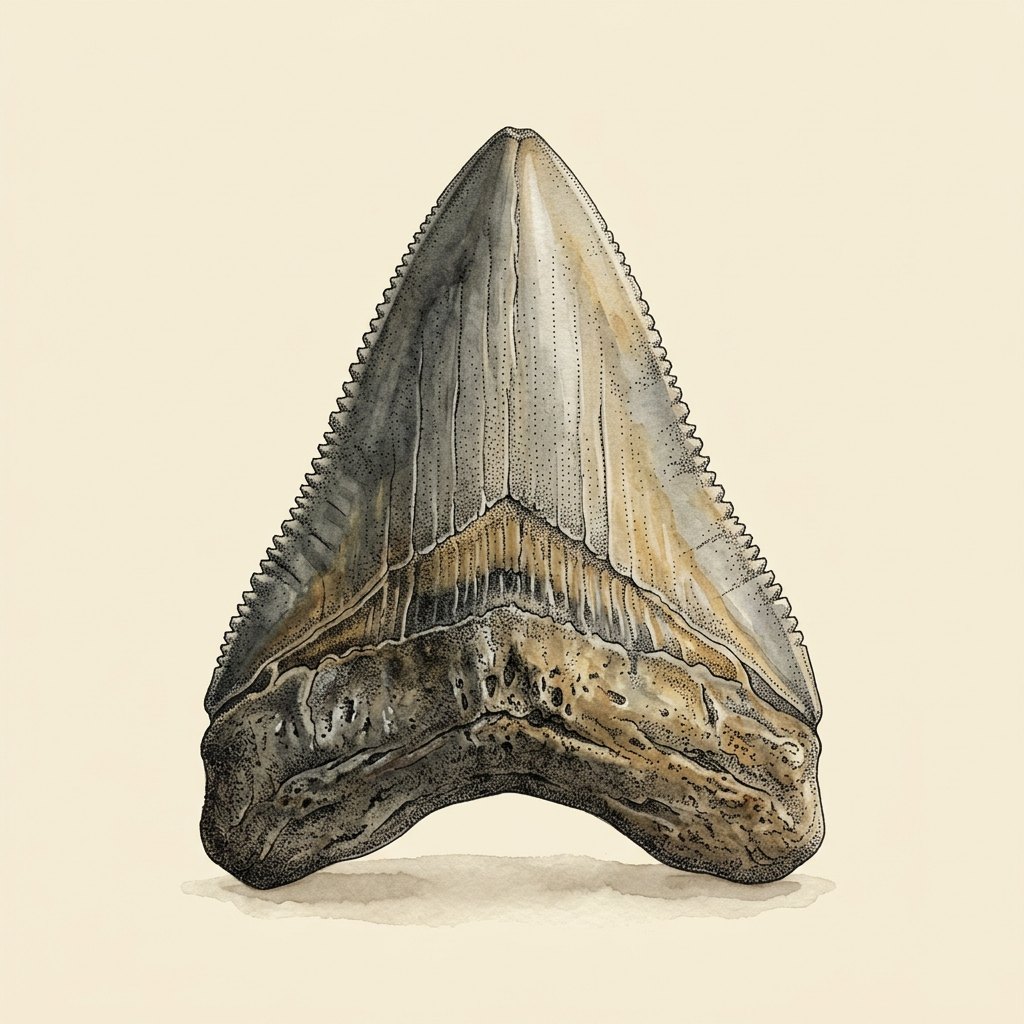
Extinct Tiger Shark ToothGaleocerdo aduncus
Contorted teeth are narrow and twisted with weak serrations; the extinct tiger is broader and clearly serrated.
More shark teeth in the field guide
Get Florida beachcombing tips
Occasional emails: what's washing up, shelling tips and new BeachNut features. No spam, unsubscribe any time.