Bull Shark Tooth
Carcharhinus leucas
Markings and exact colorations may vary.
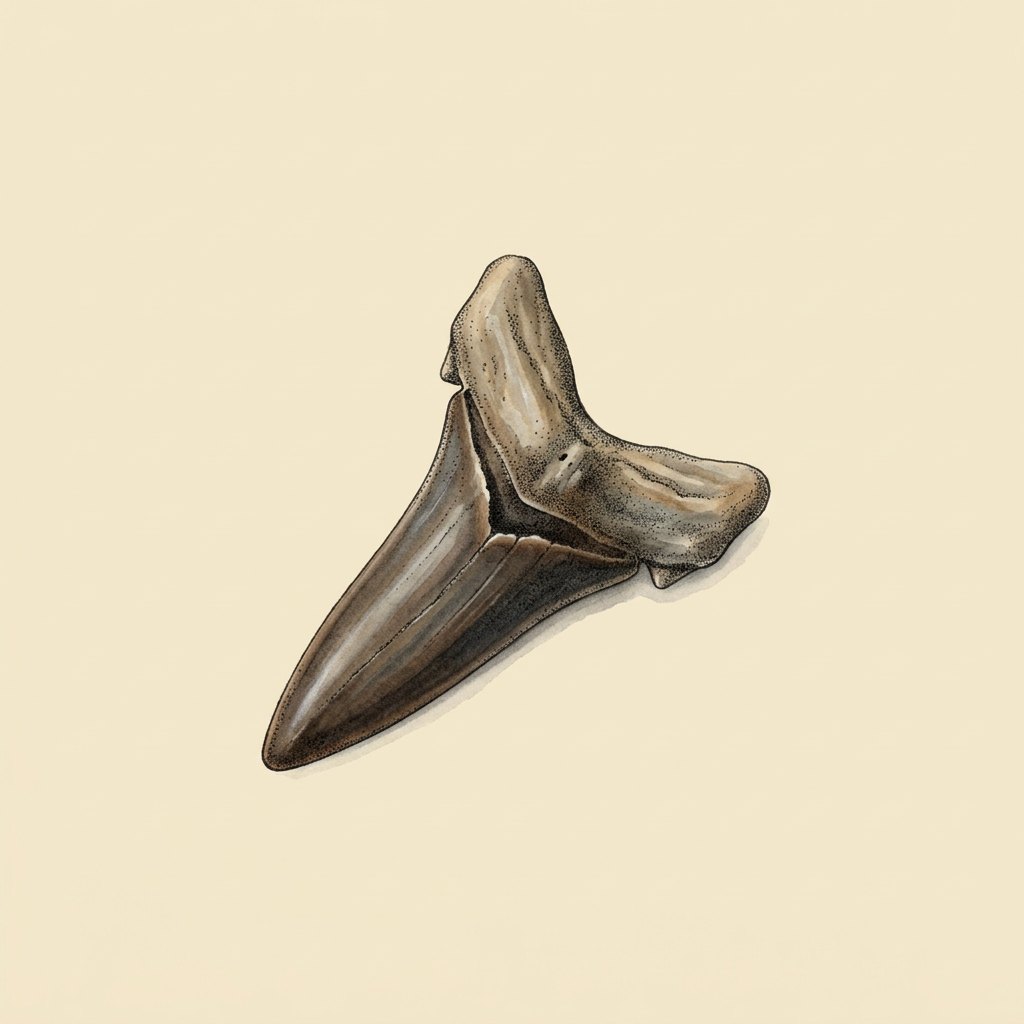
A stout, broad triangular tooth with coarse serrations near the base.
- Typical size
- Half an inch to 1.5 inches
- How often it turns up
- Common
- Collecting
- Usually legal to collect
- Handling
- Sharp edges
Freely collectible from the beach.
Serrated edges will cut.
How to tell it apart
- Wide triangular blade
- Serrations coarser toward the base
- Thick root
Where to find these in Florida
Beaches rated very good or excellent for shark teeth. Each page shows today’s score, the best window and access details.
- Caspersen Beach · Venice
- Englewood Beach (Chadwick Park) · Englewood
- Fort Clinch State Park · Fernandina Beach
- Lighthouse Point Park · Ponce Inlet
- Stump Pass Beach State Park · Englewood
- Turner Beach · Captiva
- Venice Beach · Venice
- Amelia Island State Park · Amelia Island
- Anastasia State Park · St. Augustine
- Bethune Beach · New Smyrna Beach
- Brohard Paw Park · Venice
- Crescent Beach · St. Augustine
Found one?
Photograph it and BeachNut ranks the likely matches with a confidence read, then logs it to your collection with the beach and date.
Browsing beaches and the full field guide is free. A free account logs unlimited finds and gives you three photo identifications a day.
Commonly confused with
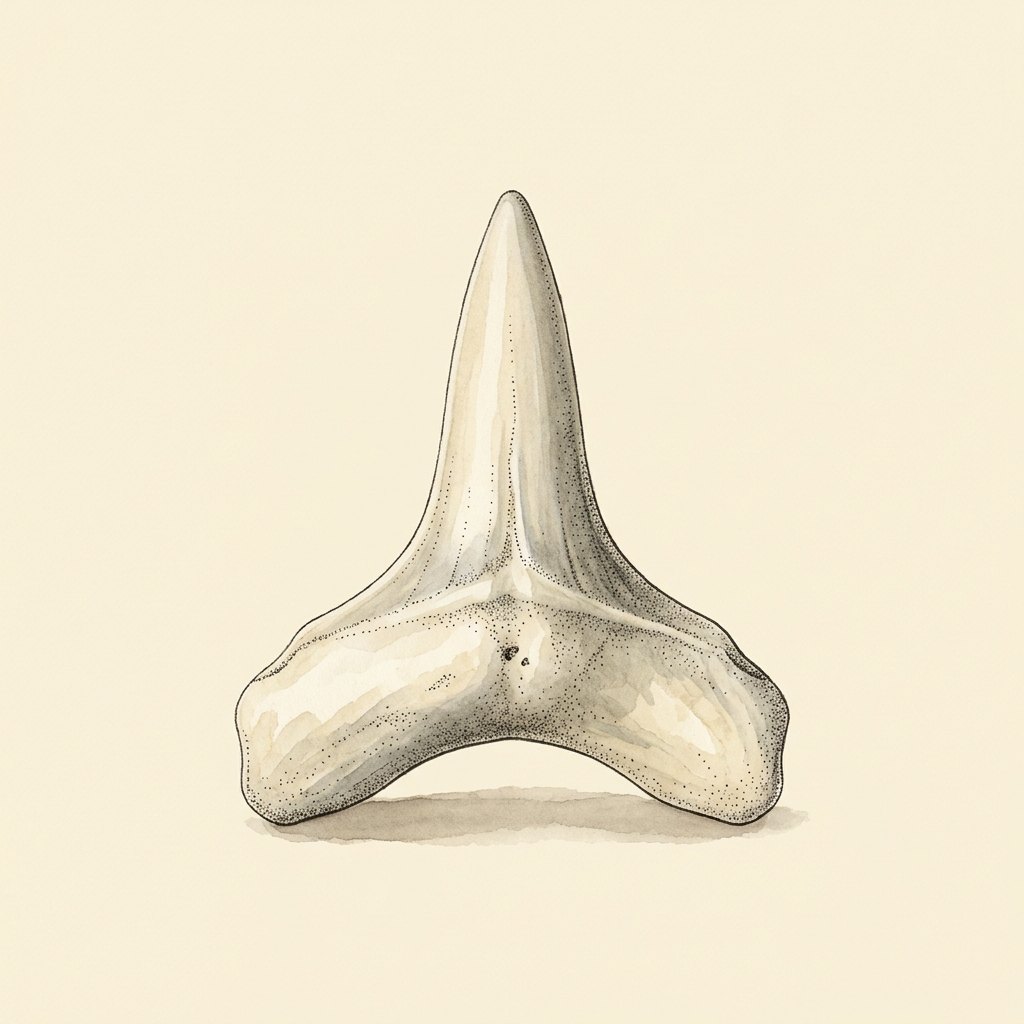
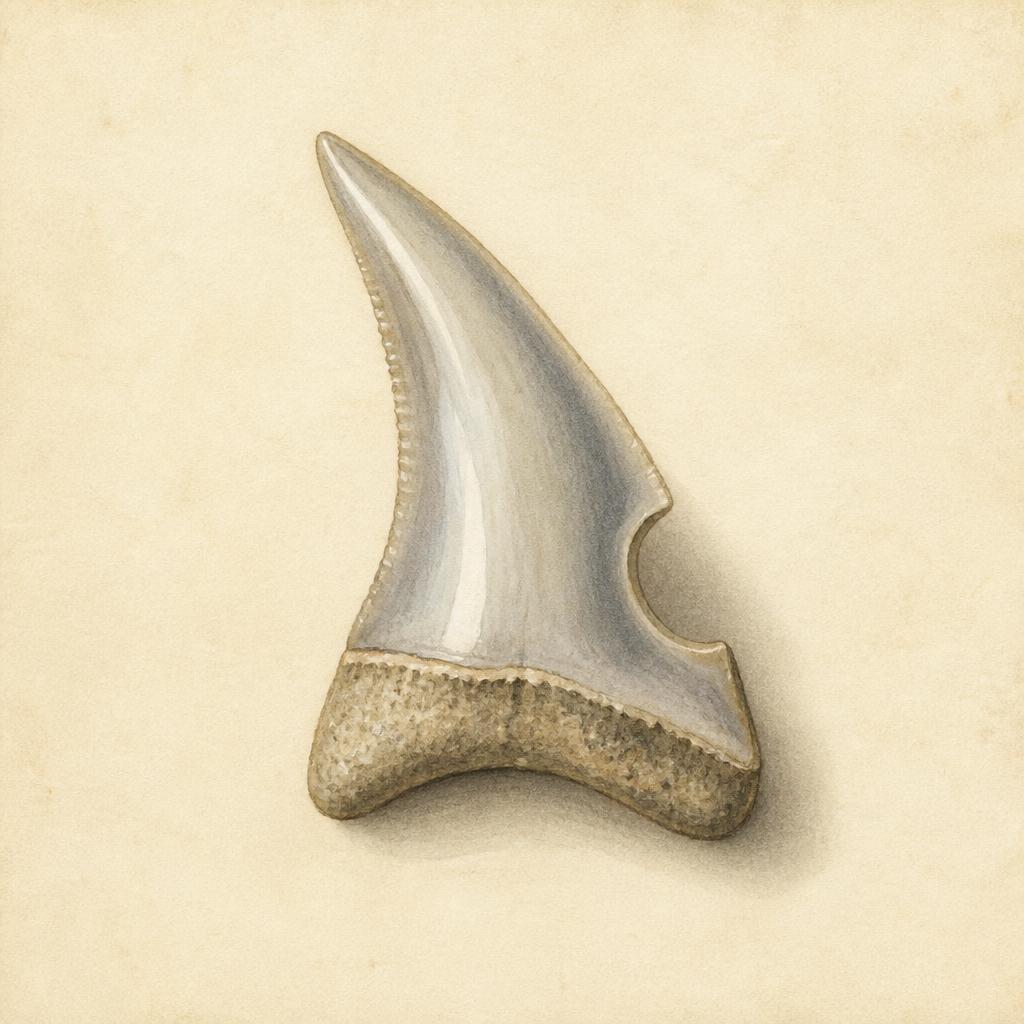
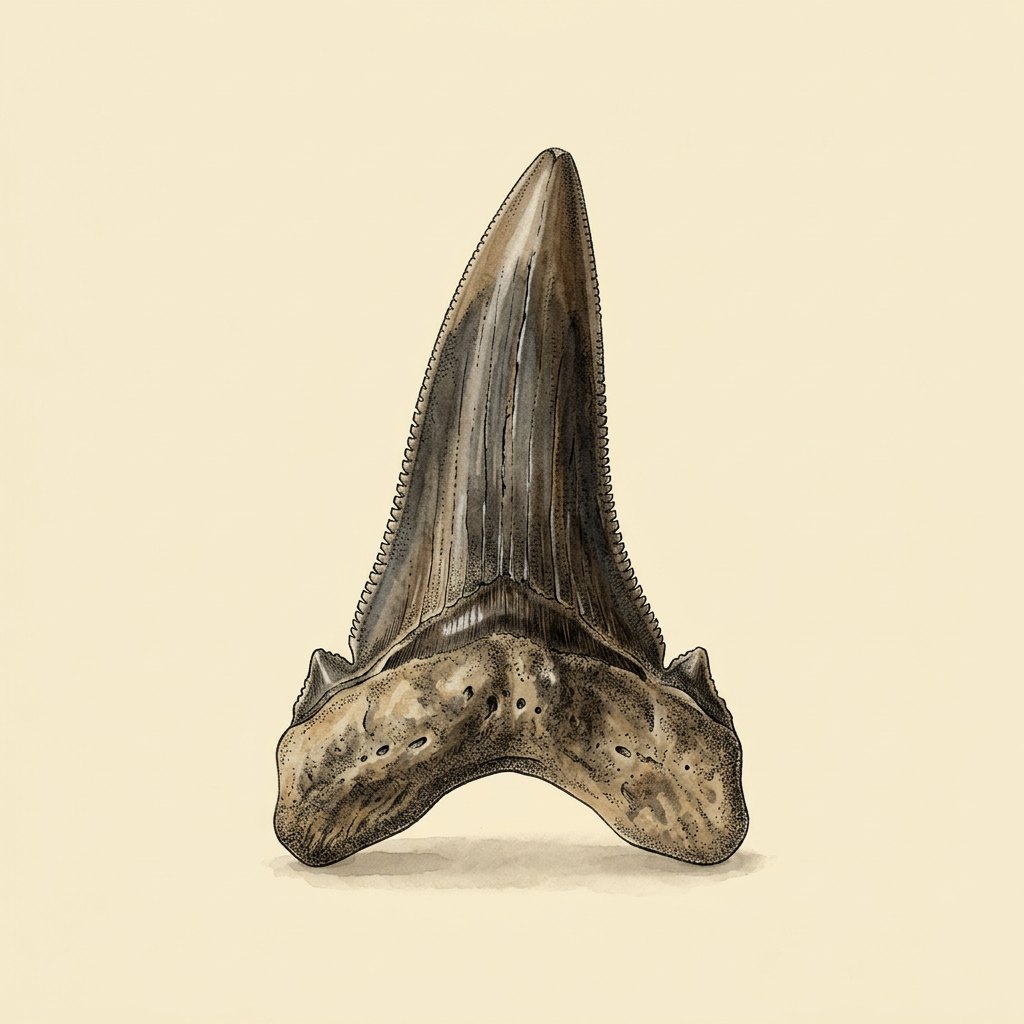
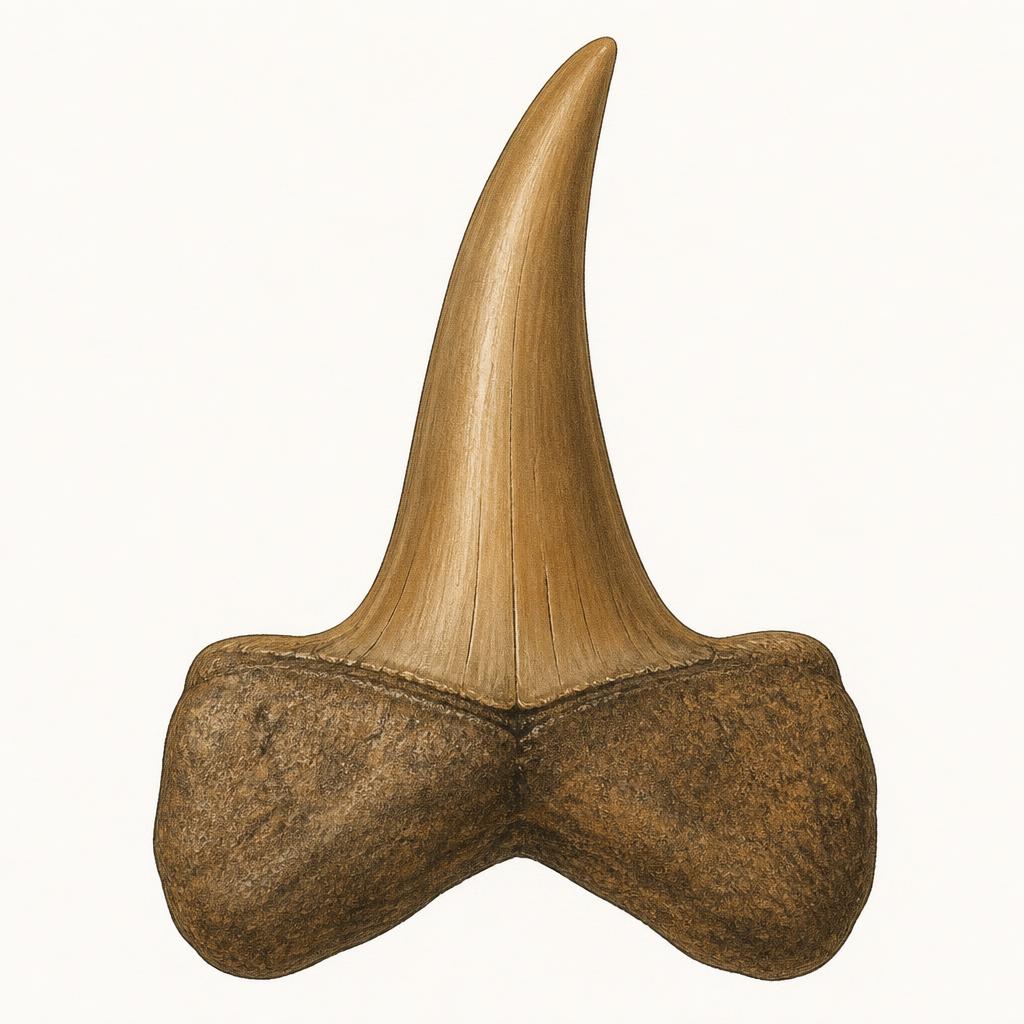
Lemon Shark ToothNegaprion brevirostris
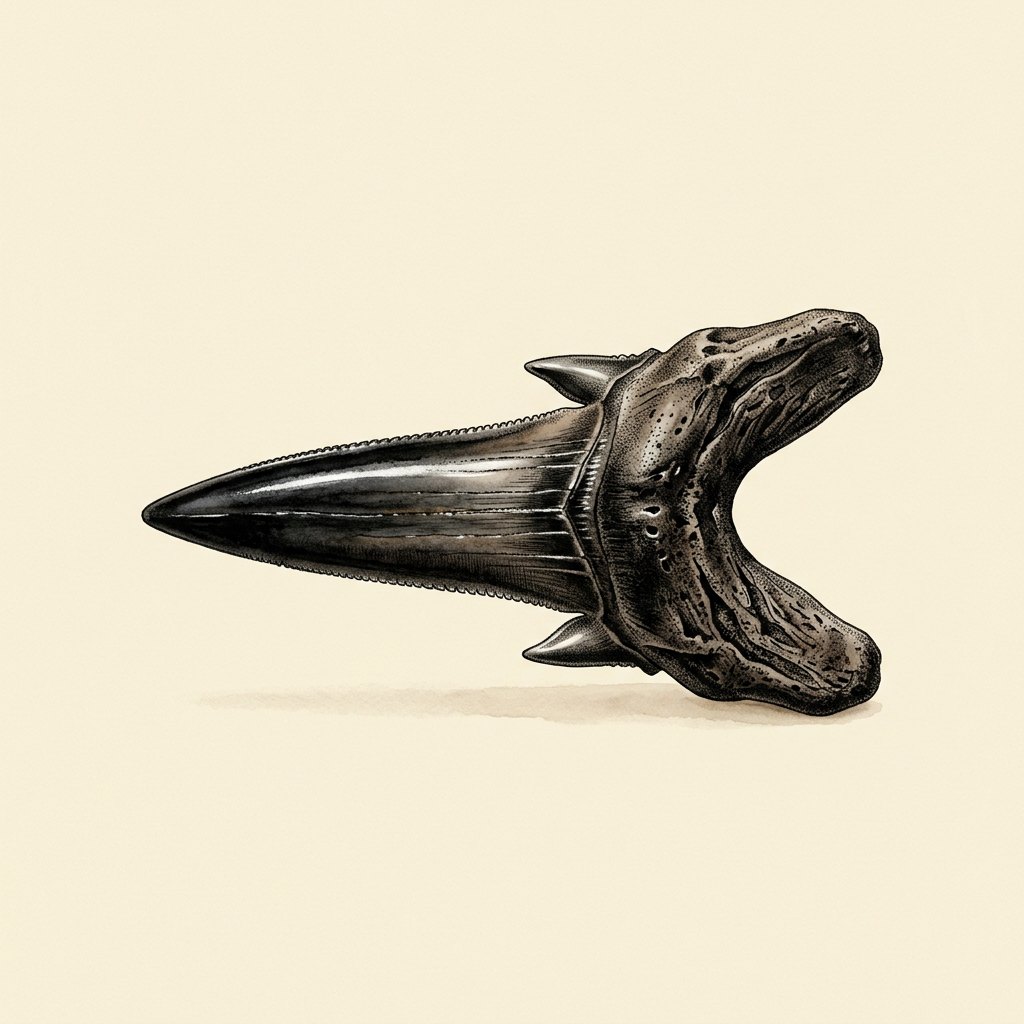
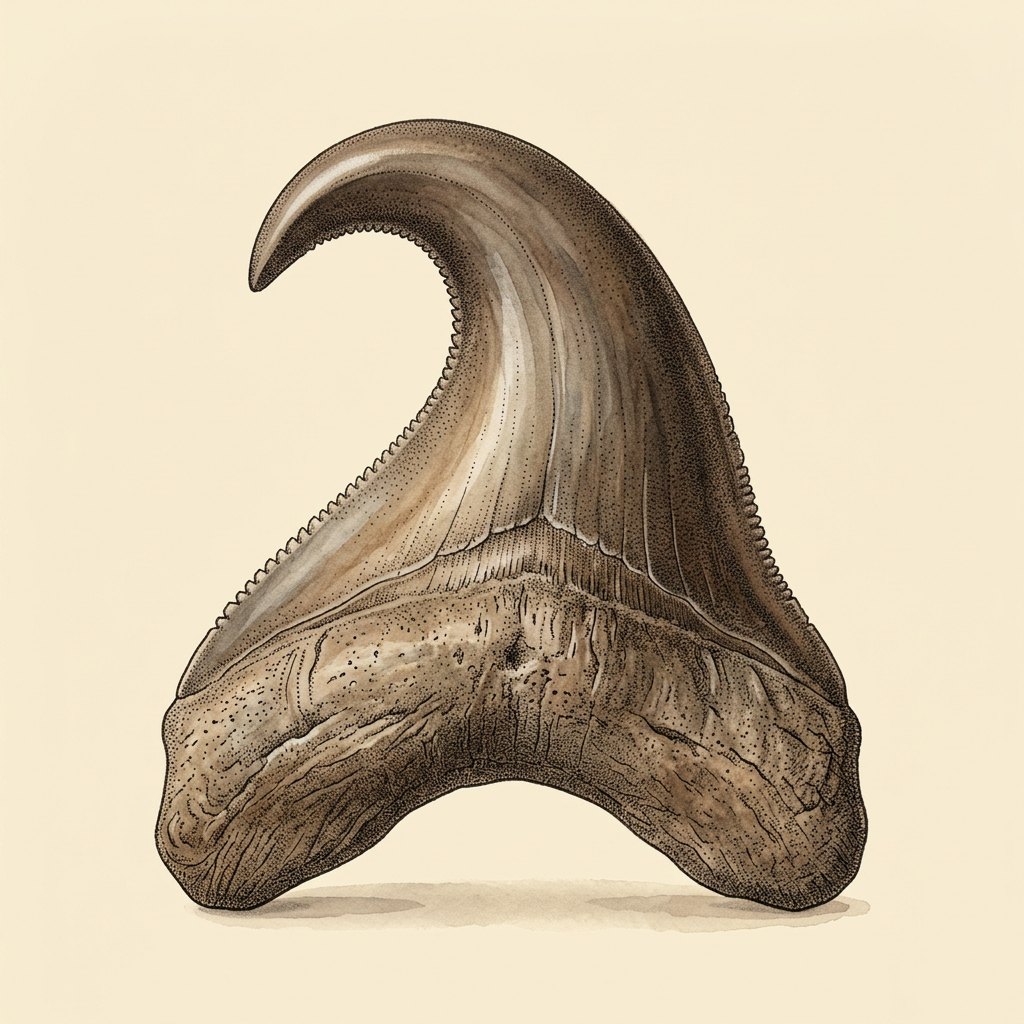
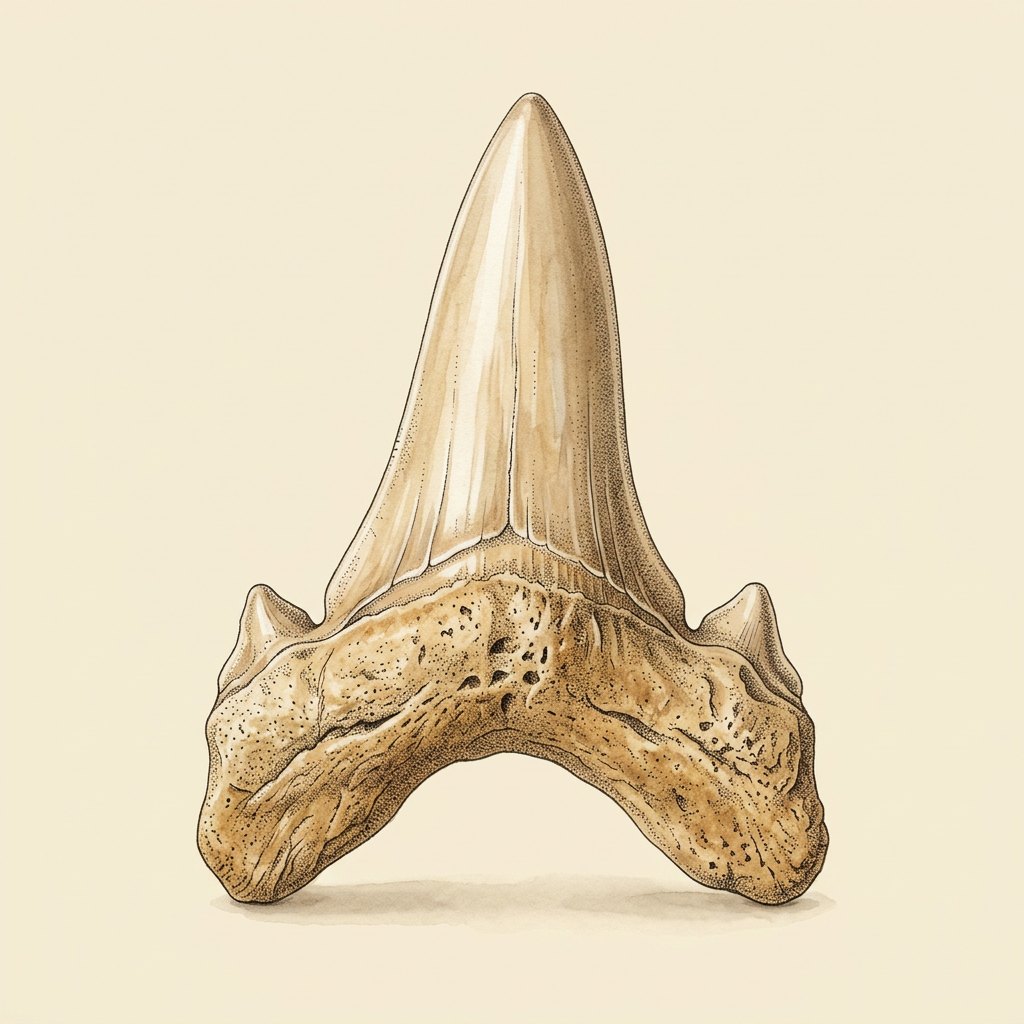
Bull teeth are broad and serrated. Lemon teeth are narrow with smooth cutting edges.
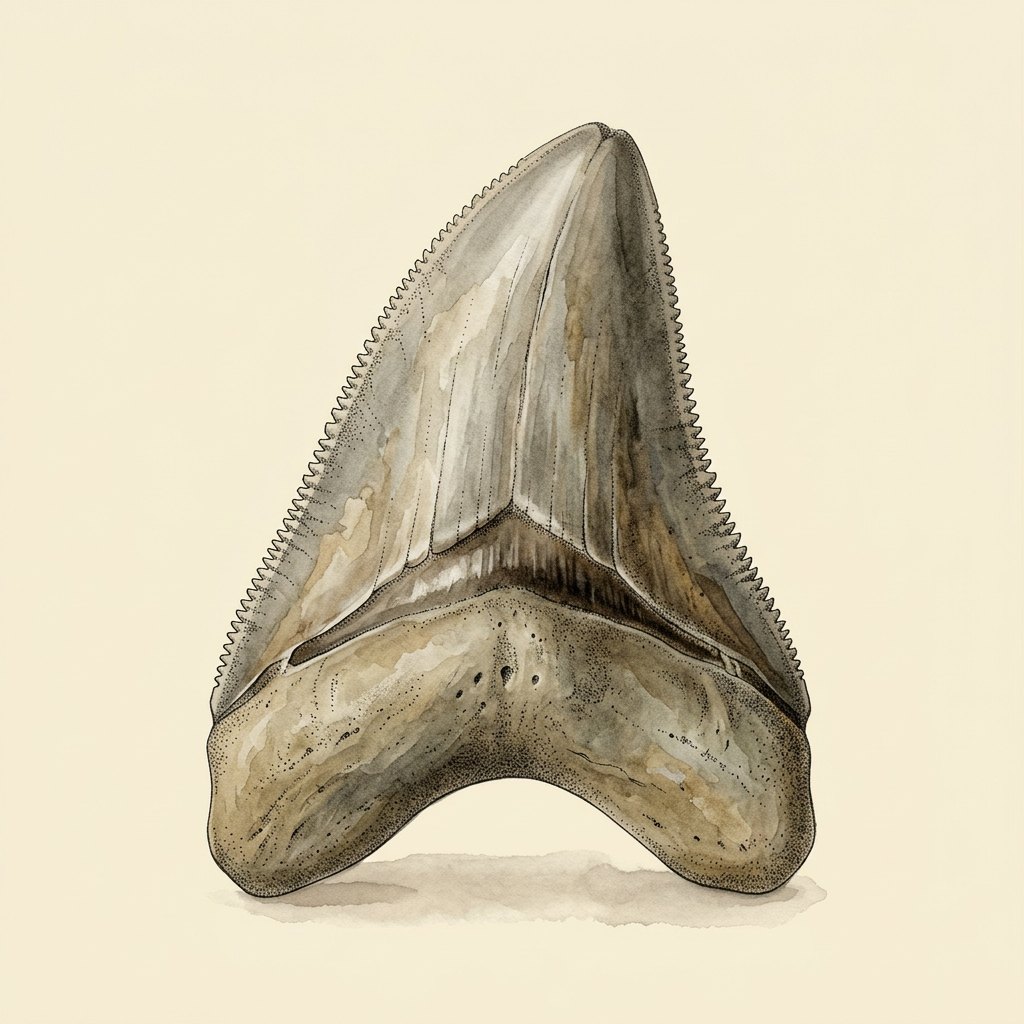
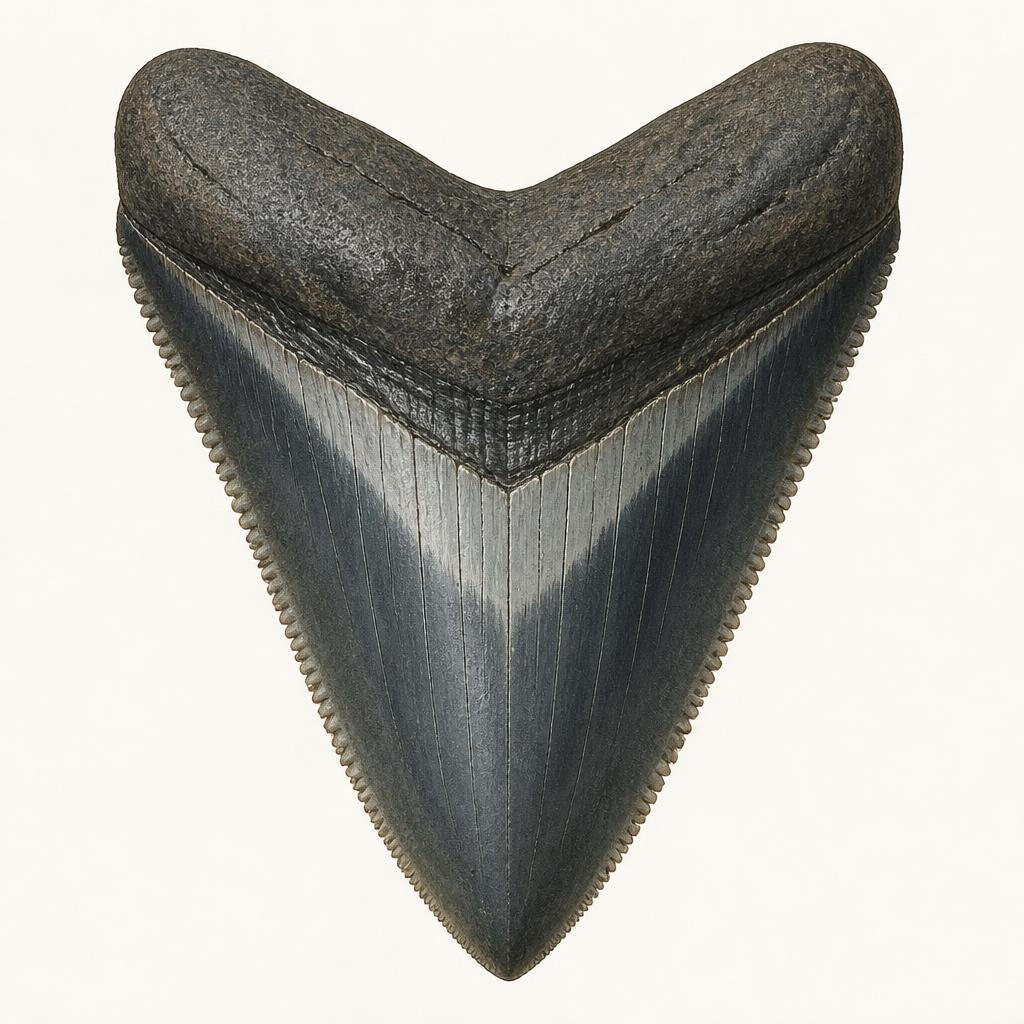
Megalodon ToothOtodus megalodon
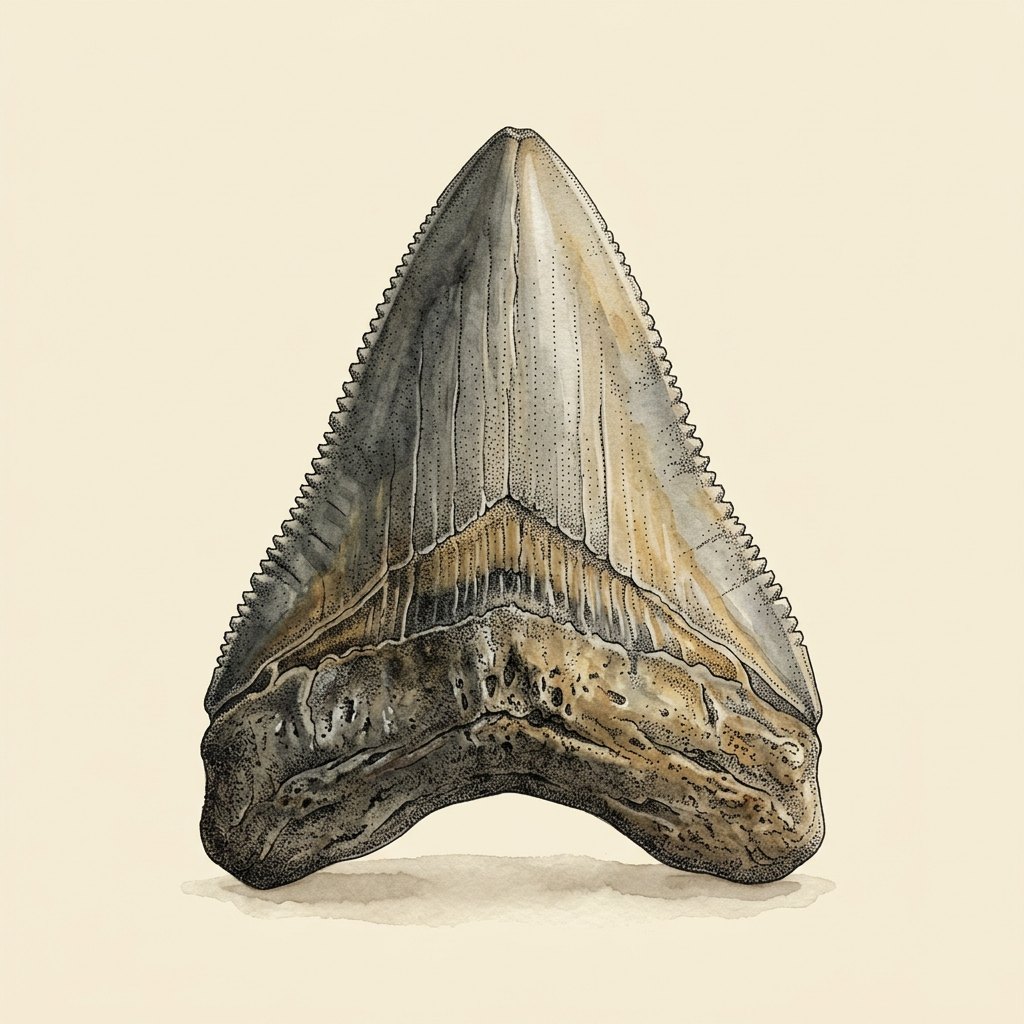
A bull shark tooth is under an inch and a half with coarse basal serrations. Megalodon teeth are thicker, larger and show a distinct chevron bourlette.
More shark teeth in the field guide
Get Florida beachcombing tips
Occasional emails: what's washing up, shelling tips and new BeachNut features. No spam, unsubscribe any time.