Identify
What did you find?
Whelks, conchs, olives and everything in between
- Fill the frame and include a coin or finger for scale.
- Shoot both sides, plus the hinge, root or edge.
- Avoid harsh shadows and wet glare where you can.
A few quick questions
Optional, but each answer sharpens the shortlist.
Roughly how long is it?
What is the overall shape?
What colours stand out?
Is the surface smooth or textured?
Get candidates
Sign in to run an identification and keep the result in your collection. You can still browse the comparison guide below.
Sign in to identifyBeachNut suggests candidates with a confidence level — it never confirms an identification on its own. Low confidence is always shown as low confidence, and anything living or archaeological should be photographed and left in place.
Common shells to compare
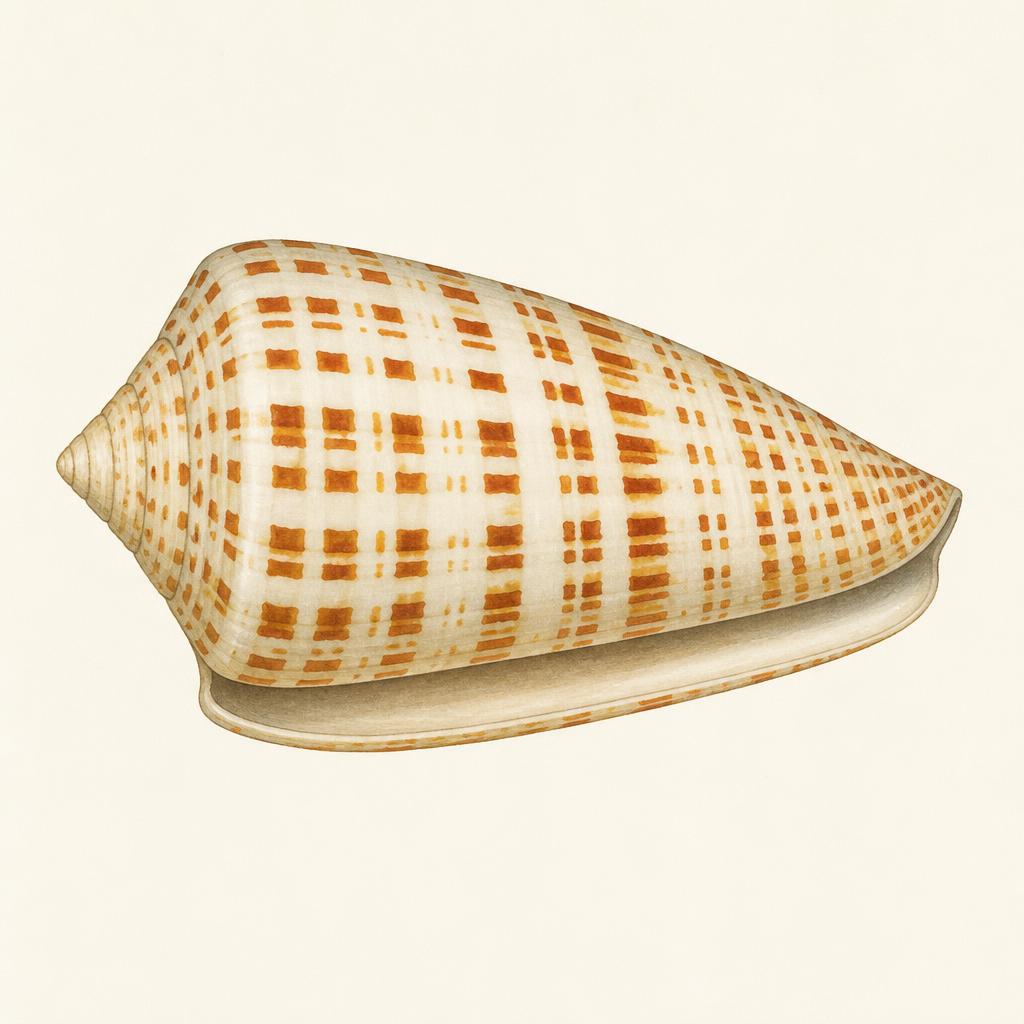
Alphabet Cone
Conus spurius
A heavy cone shell patterned with broken orange-brown marks that look like letters.
Usually legal to collectHandle with care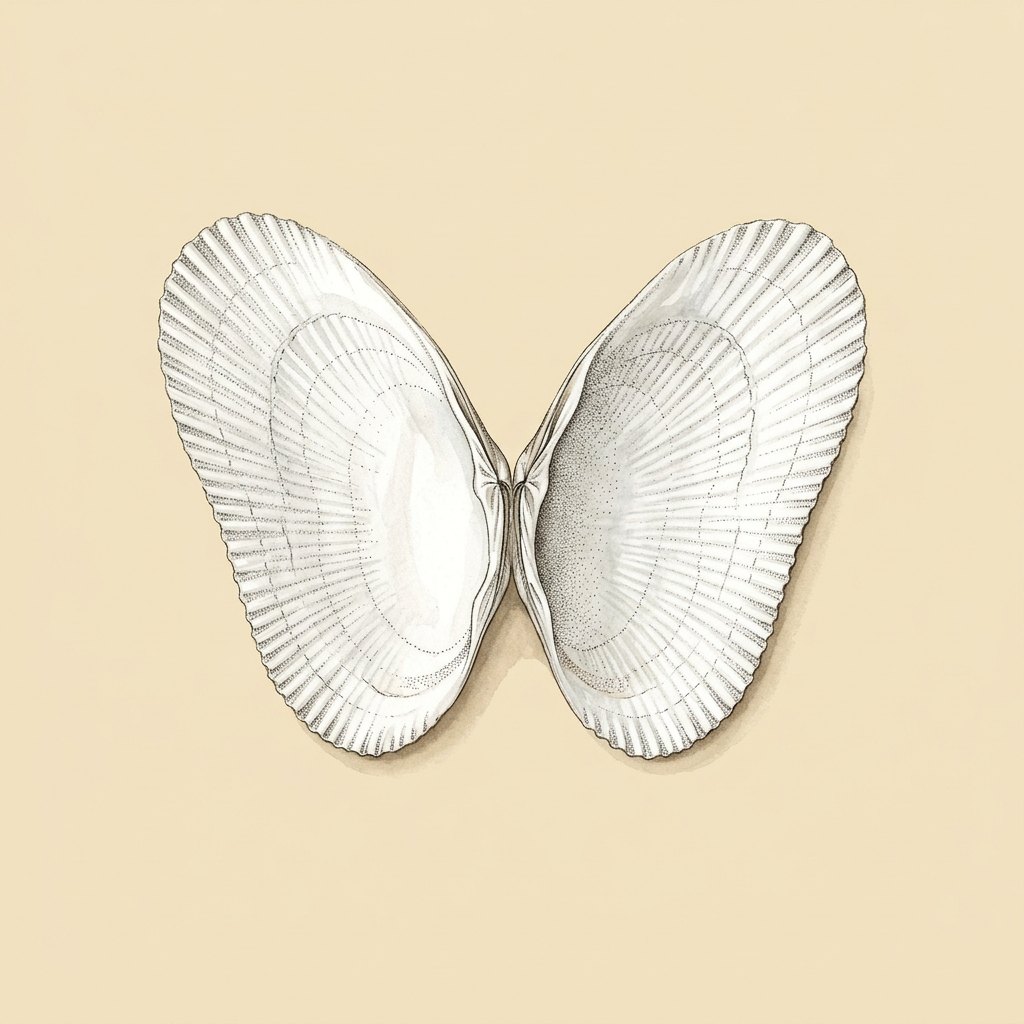
Angel Wing
Cyrtopleura costata
A pure white, fragile bivalve with sculpted ribs; a matched pair opens like a pair of wings.
RestrictedSafe to handle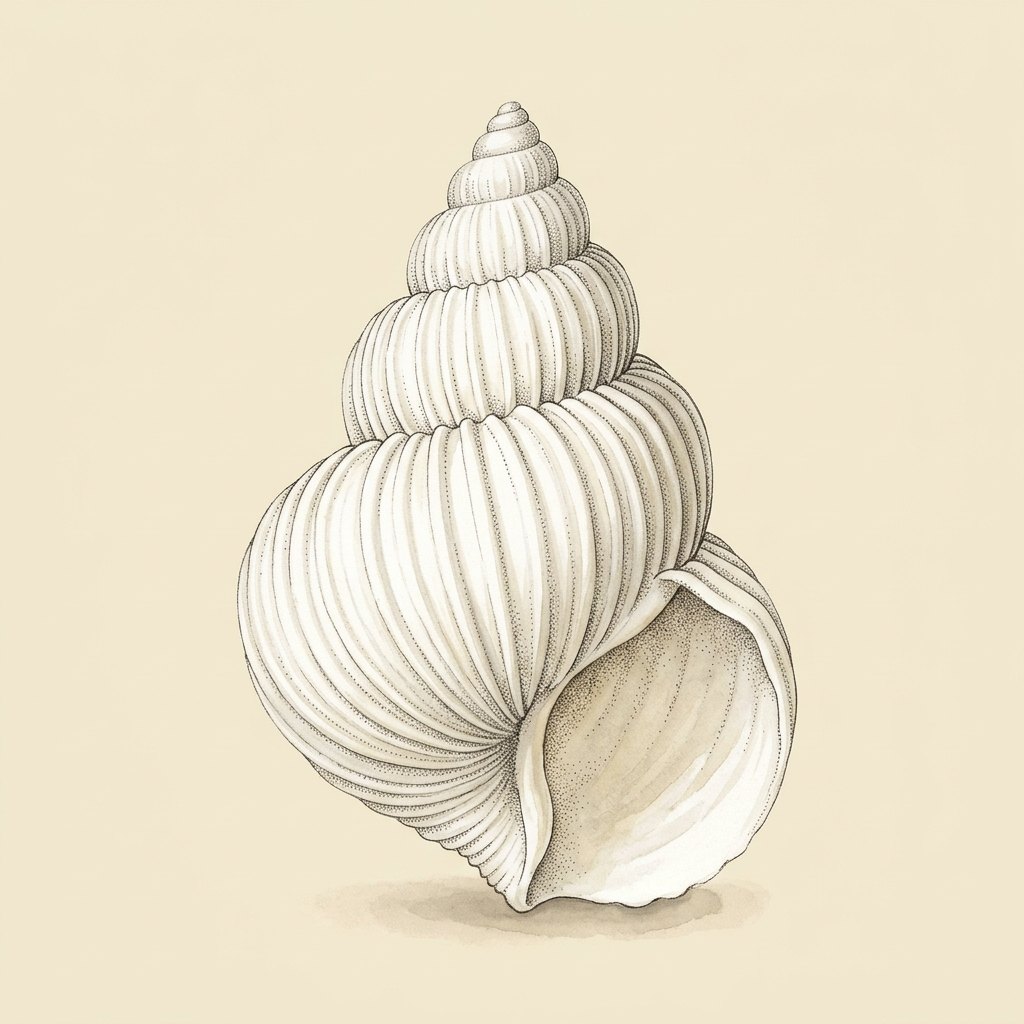
Angulate Wentletrap
Epitonium angulatum
A small white spire wrapped in fine vertical ribs like a staircase, delicate and prized.
RestrictedSafe to handle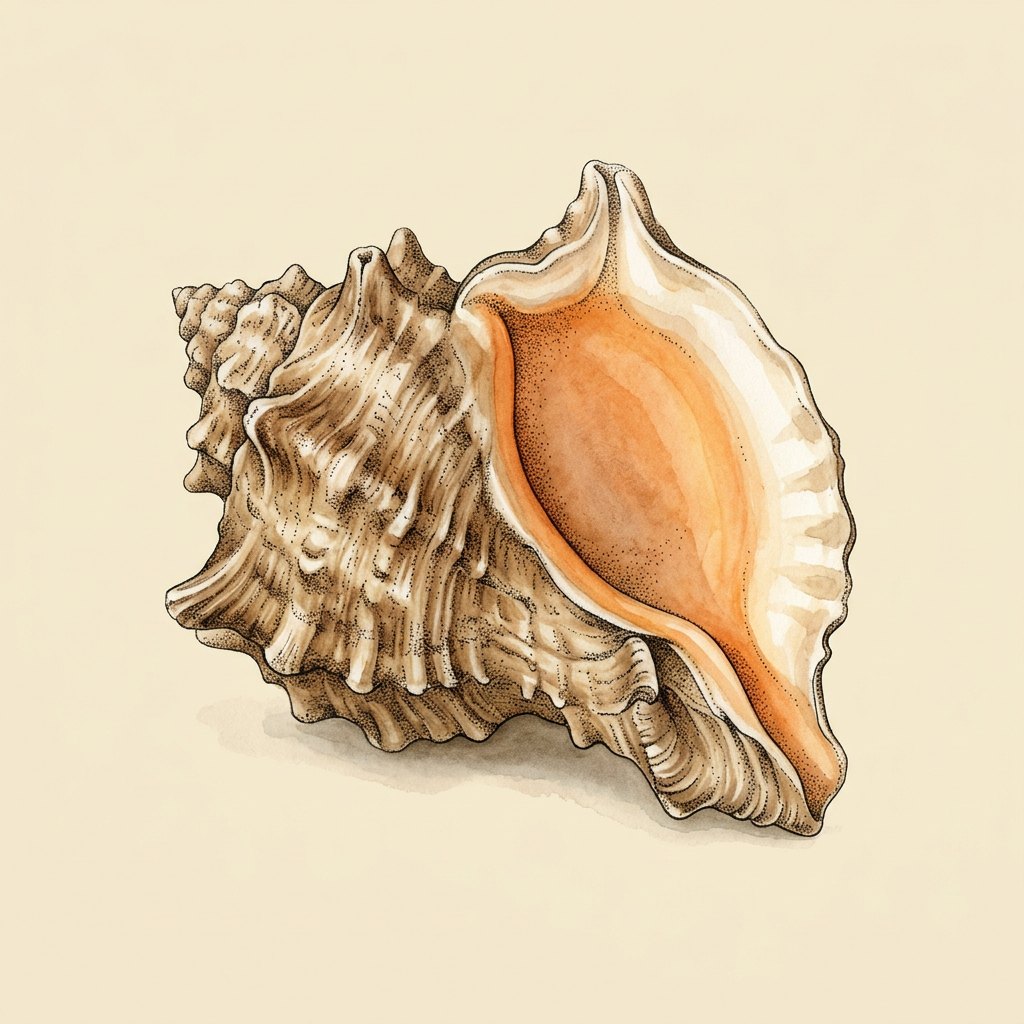
Apple Murex
Phyllonotus pomum
A rugged, knobby murex with a thick lip and a warm orange-brown mouth, one of the most reliable murex finds on Gulf beaches.
RestrictedHandle with care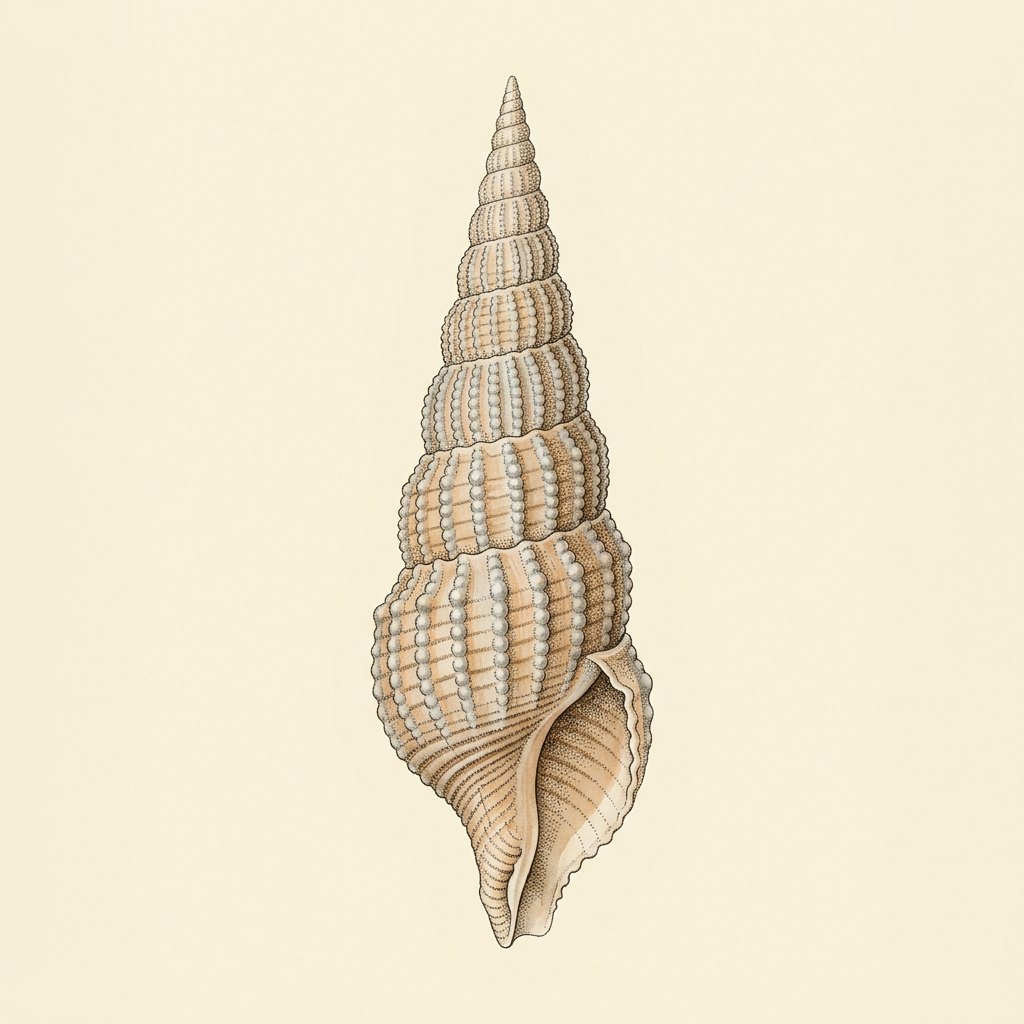
Atlantic Auger
Terebra dislocata
A slender, tapering spike of a shell with neat beaded ribs down every whorl.
RestrictedSafe to handle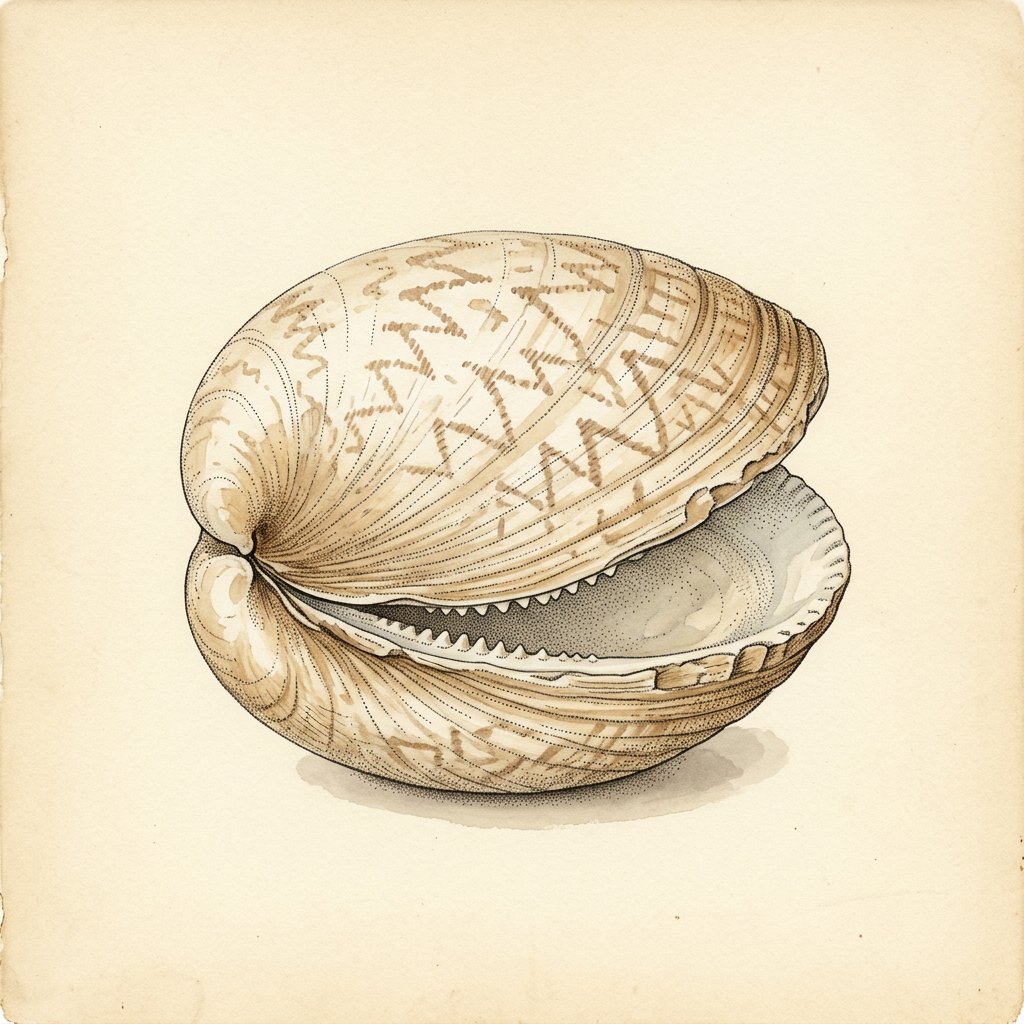
Atlantic Bittersweet
Glycymeris undata
A thick, round clam with a curved row of hinge teeth and soft brown zigzag markings.
RestrictedSafe to handle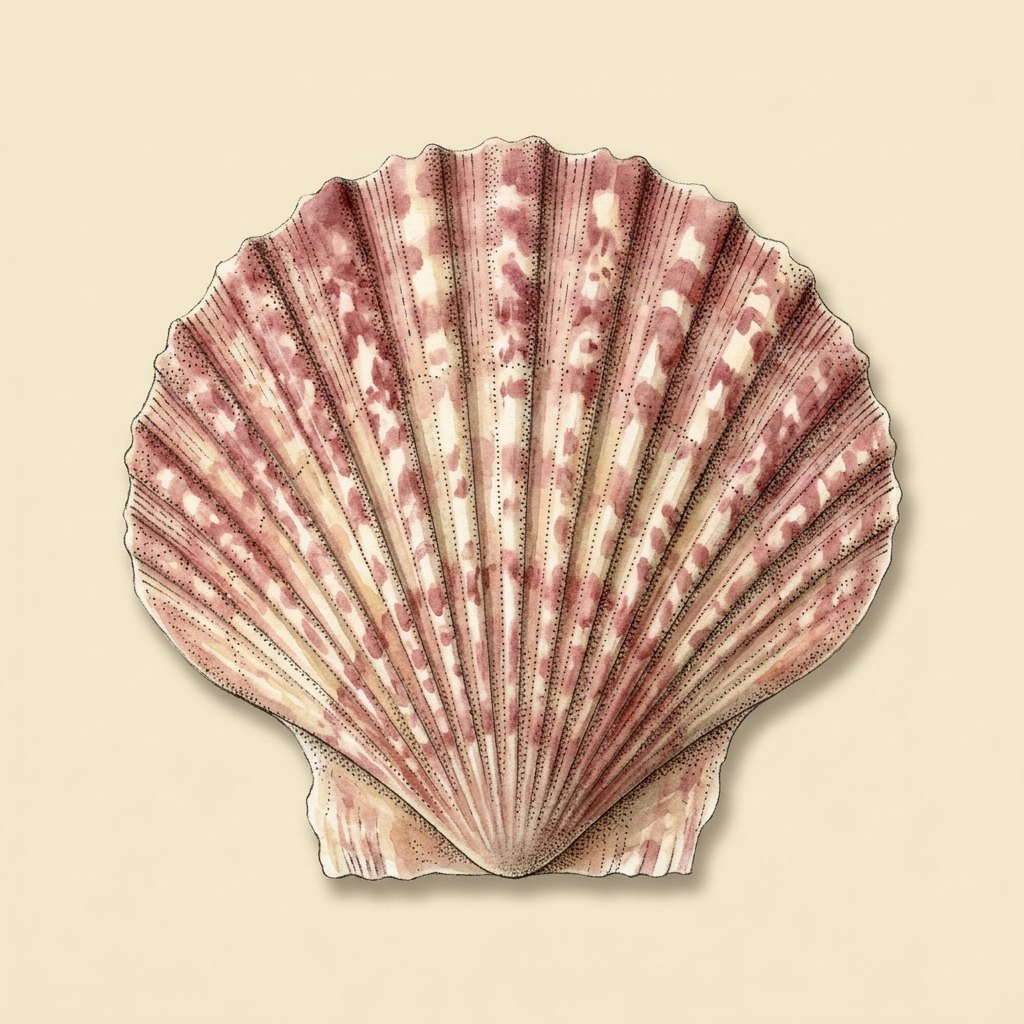
Atlantic Calico Scallop
Argopecten gibbus
A fan-shaped scallop mottled in rose, maroon and cream, the most colourful common bivalve on many Florida beaches.
Usually legal to collectSafe to handle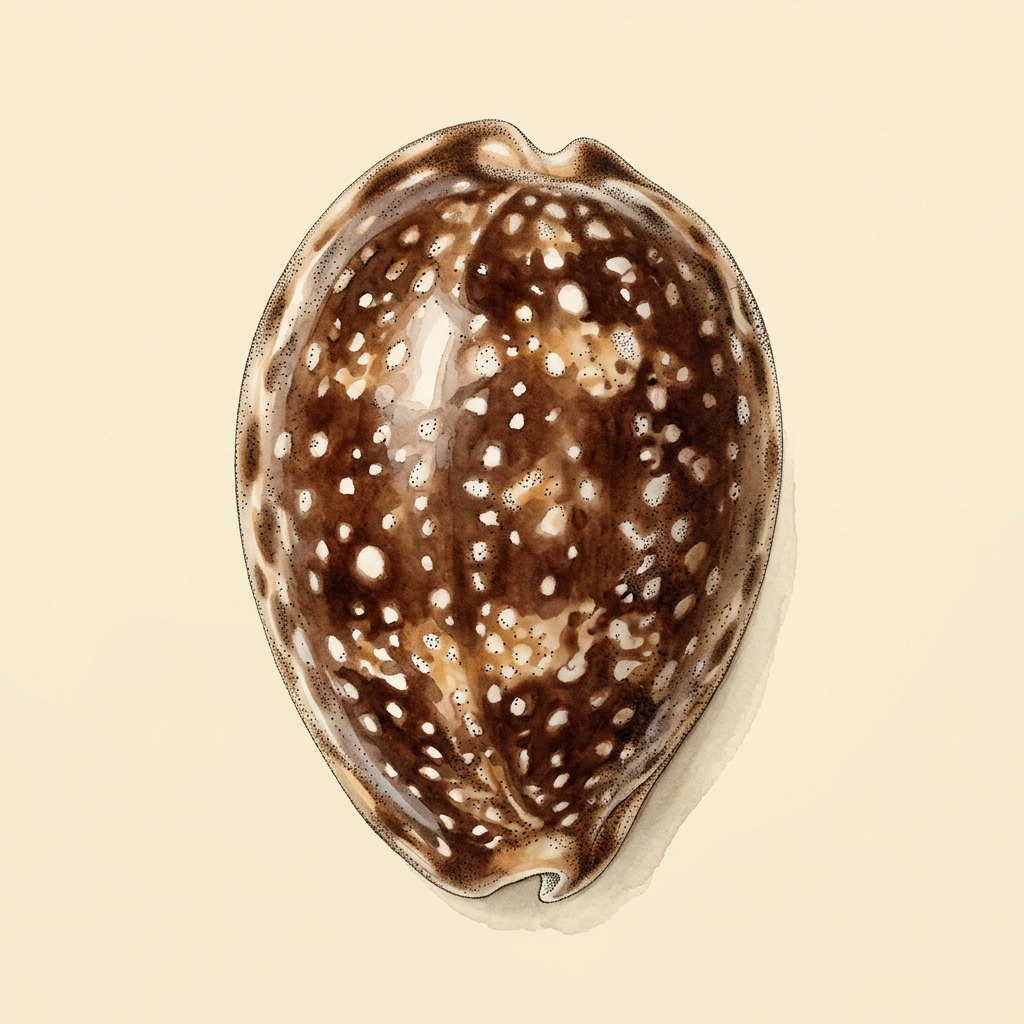
Atlantic Deer Cowrie
Macrocypraea cervus
The largest cowrie in the Atlantic, a heavy brown dome flecked with white spots like a fawn.
RestrictedSafe to handle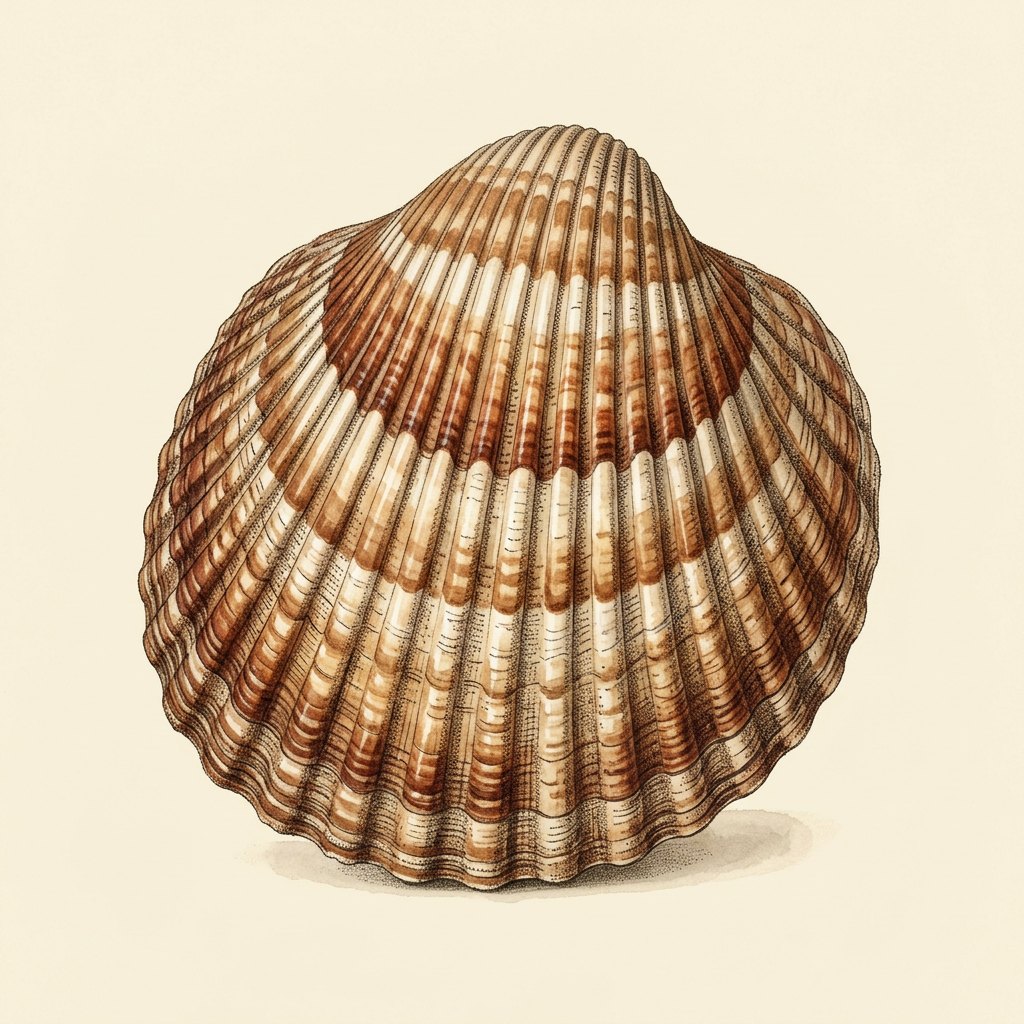
Atlantic Giant Cockle
Dinocardium robustum
A big, heart-shaped cockle banded in chestnut and cream, often the largest intact bivalve on a Gulf beach.
RestrictedSafe to handle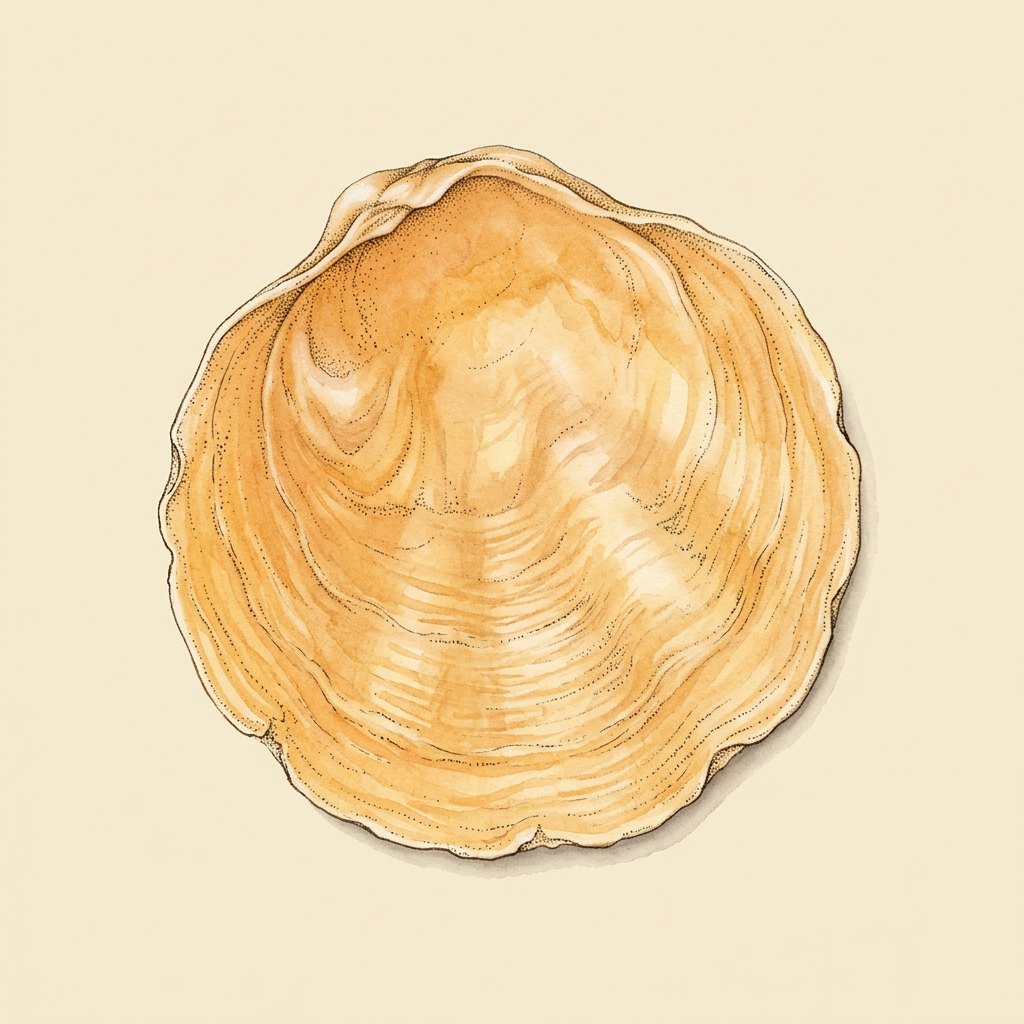
Atlantic Jingle Shell
Anomia simplex
Thin, translucent discs in gold, silver and orange that clink like coins in a pocket.
Usually legal to collectSafe to handle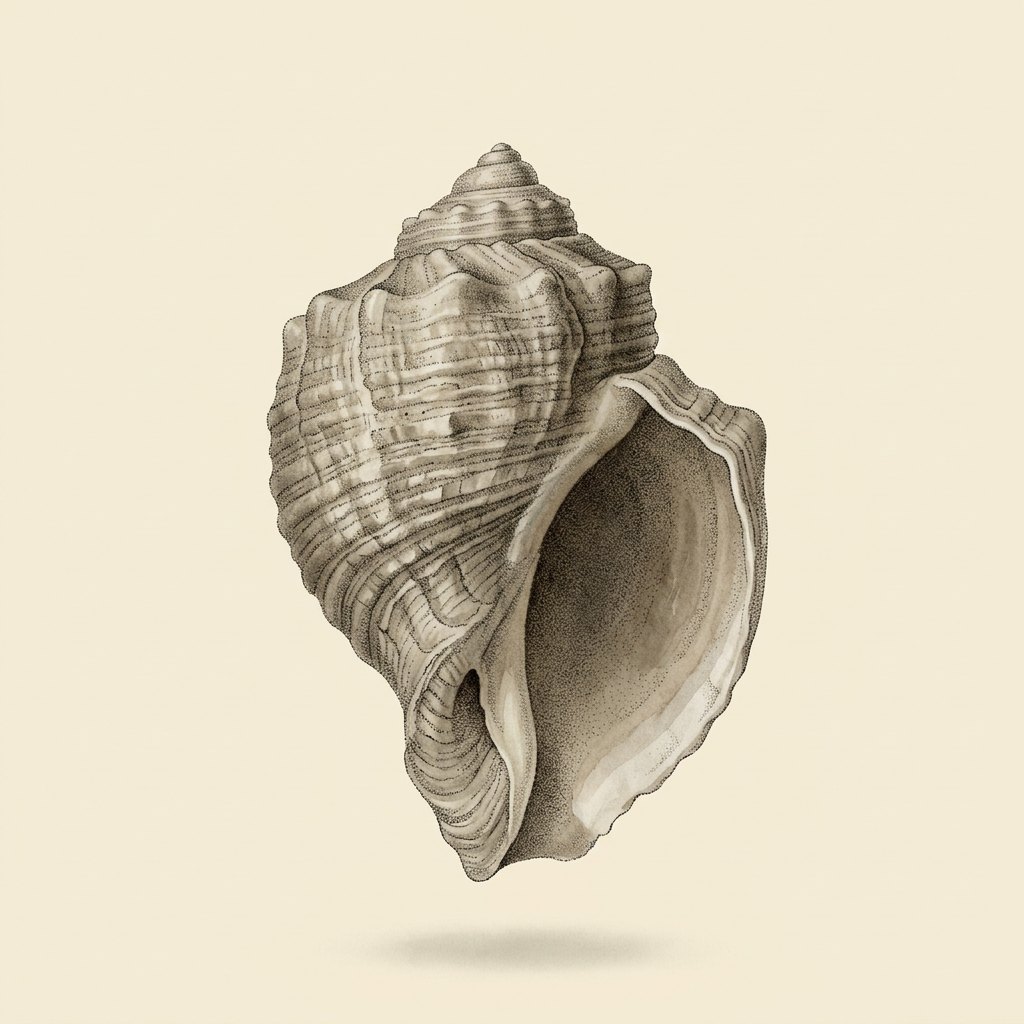
Atlantic Oyster Drill
Urosalpinx cinerea
A small, ribbed grey snail responsible for many of the neat holes in oyster and clam shells.
RestrictedSafe to handle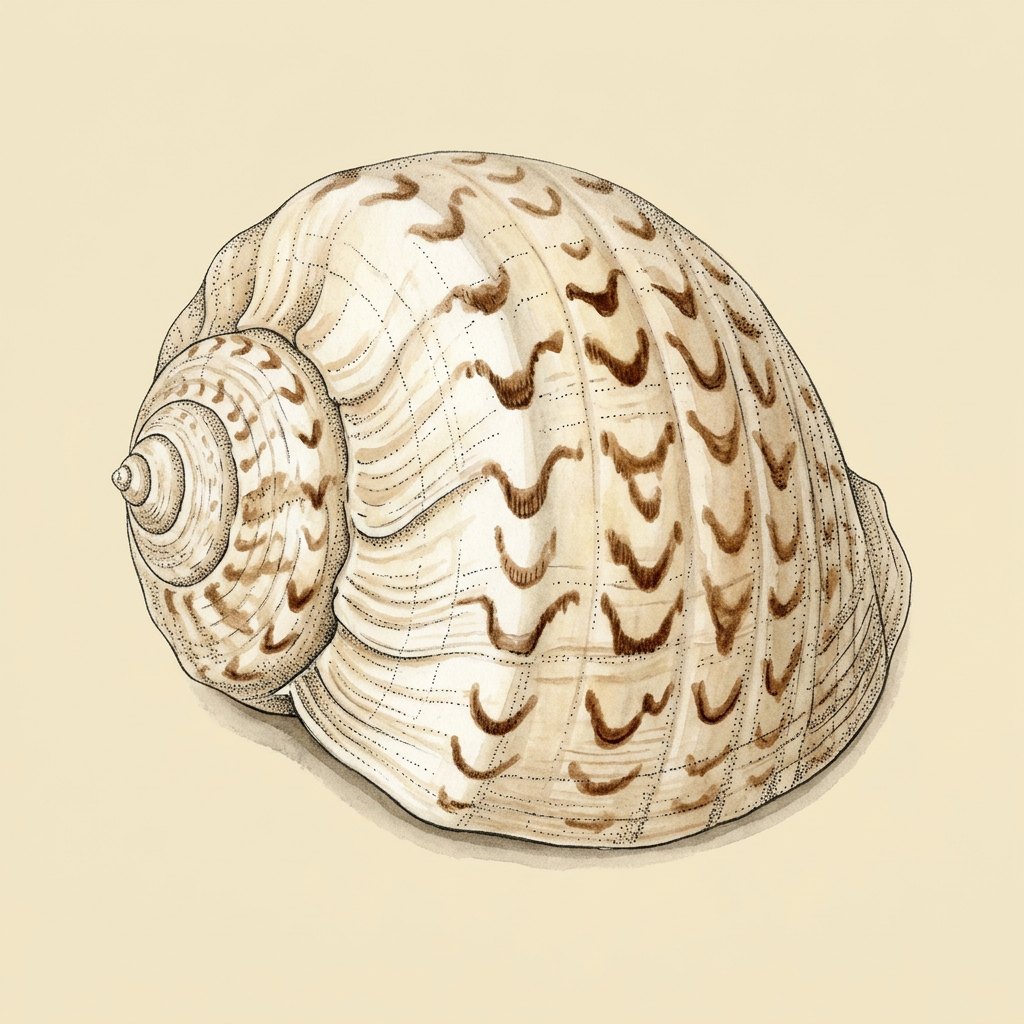
Atlantic Partridge Tun
Tonna maculosa
A big, light, globe-shaped shell patterned like partridge feathers in brown and cream.
RestrictedSafe to handle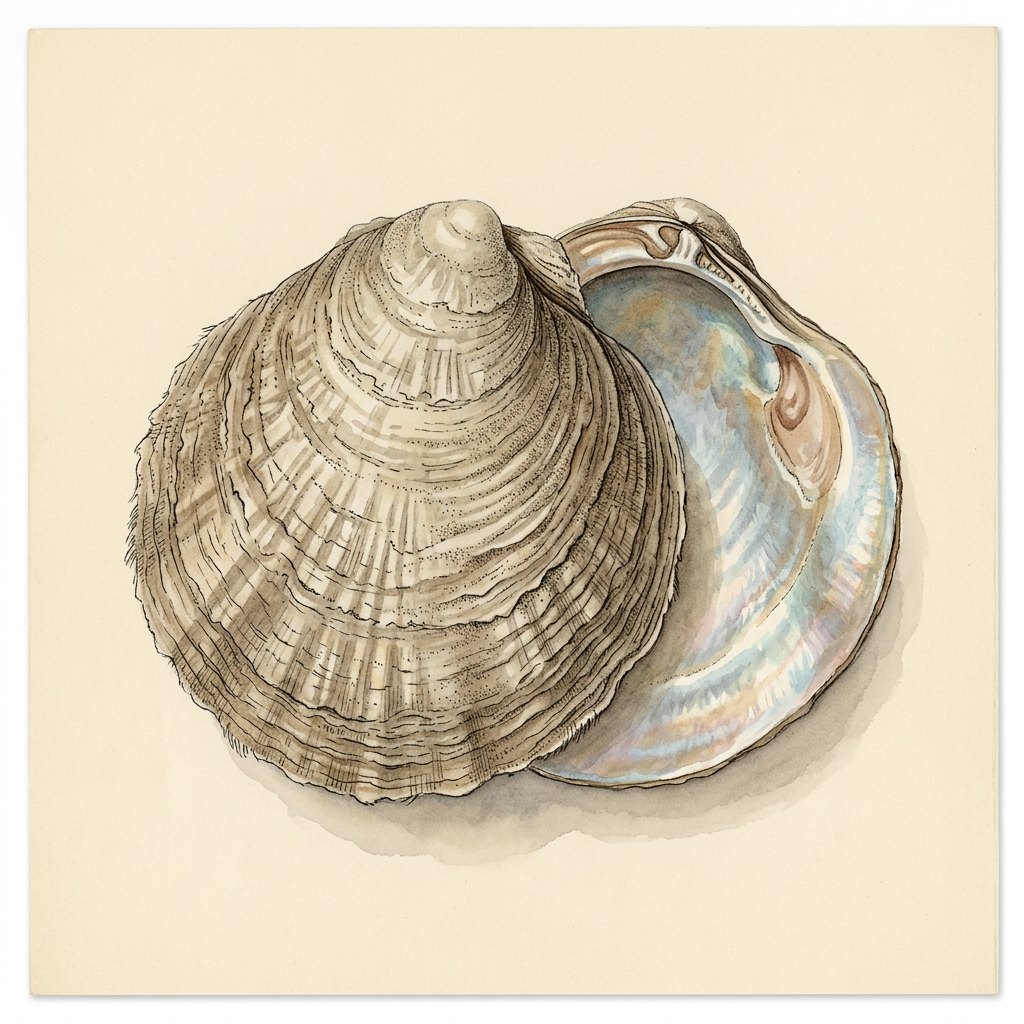
Atlantic Pearl Oyster
Pinctada imbricata
A flat, scaly oyster with a strongly iridescent interior — Florida's true pearl-bearing oyster.
Usually legal to collectSafe to handle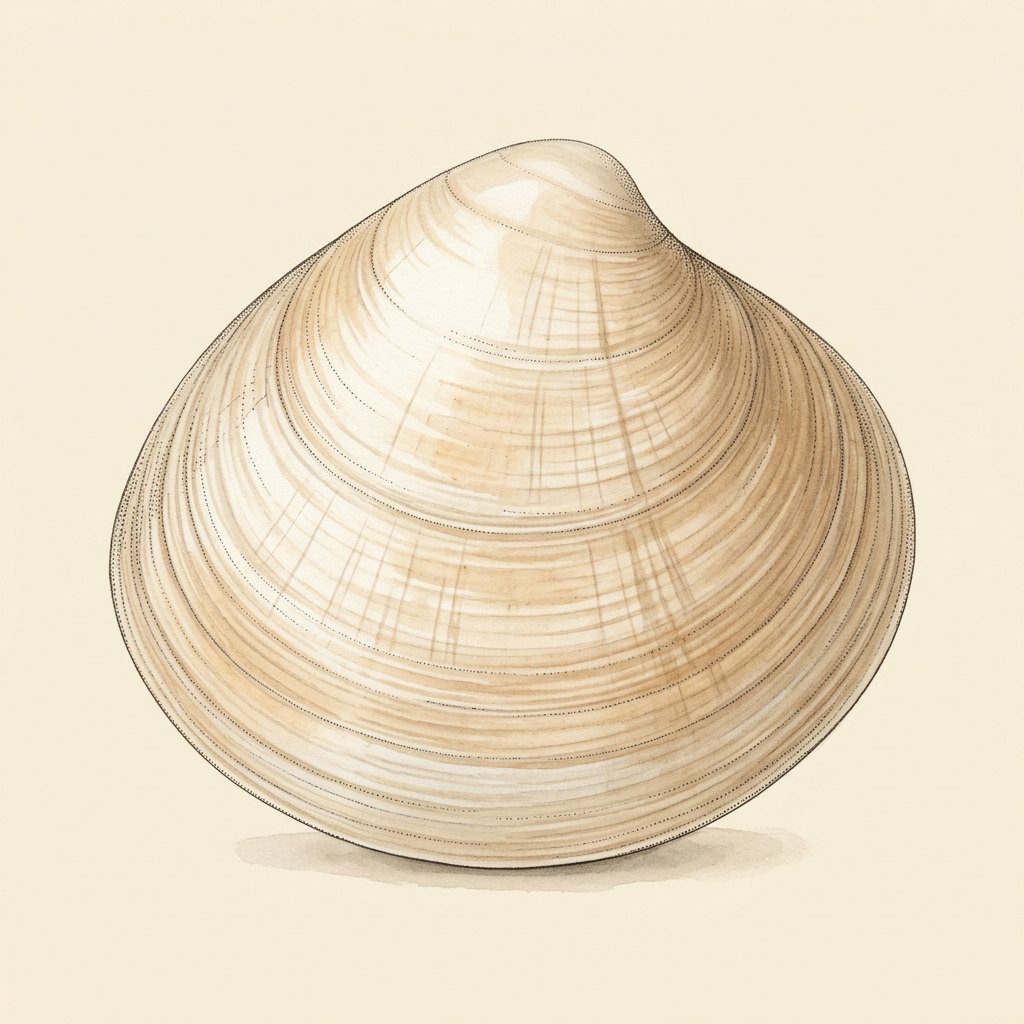
Atlantic Surf Clam
Spisula solidissima similis
A large, smooth, triangular clam thrown up whole after rough surf.
RestrictedSafe to handle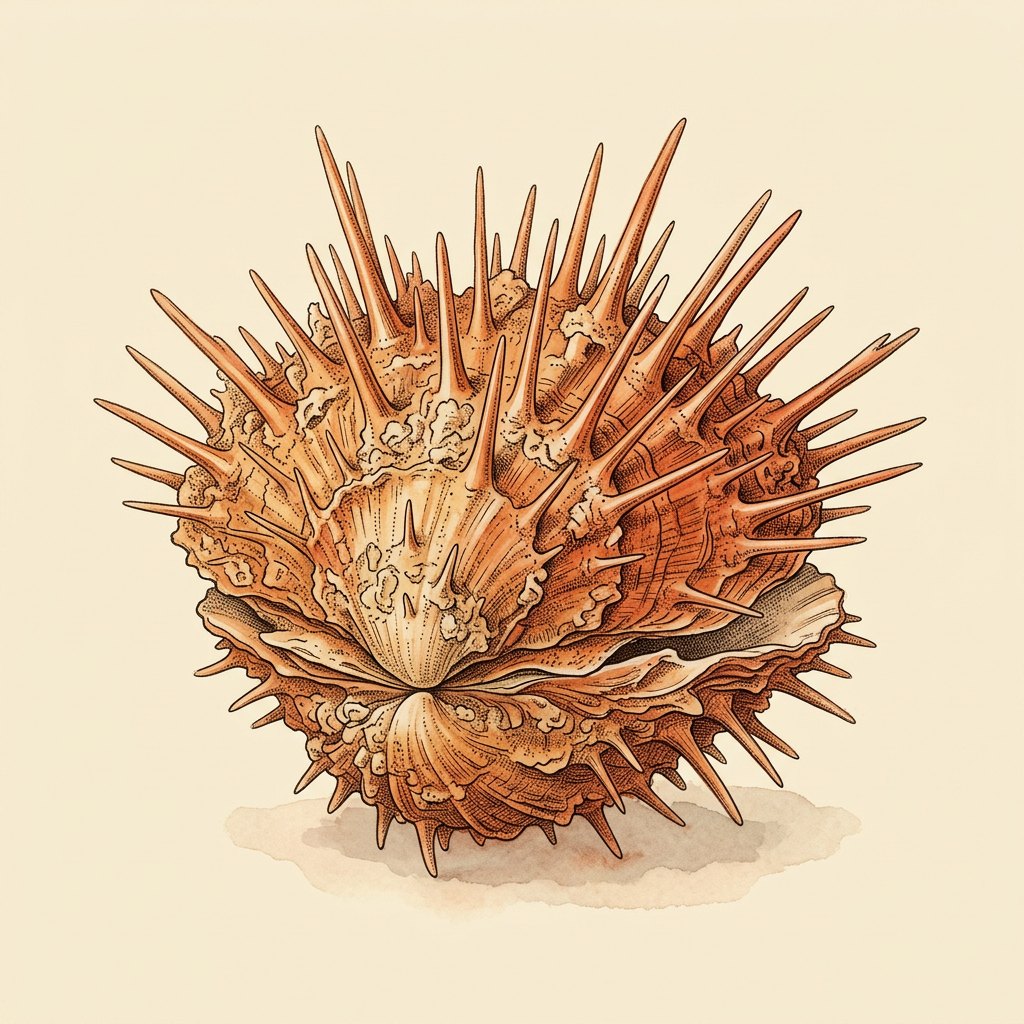
Atlantic Thorny Oyster
Spondylus americanus
A heavy, spiny shell in orange, red or white, cemented to reef ledges and rarely reaching the beach intact.
Check local rulesSharp edges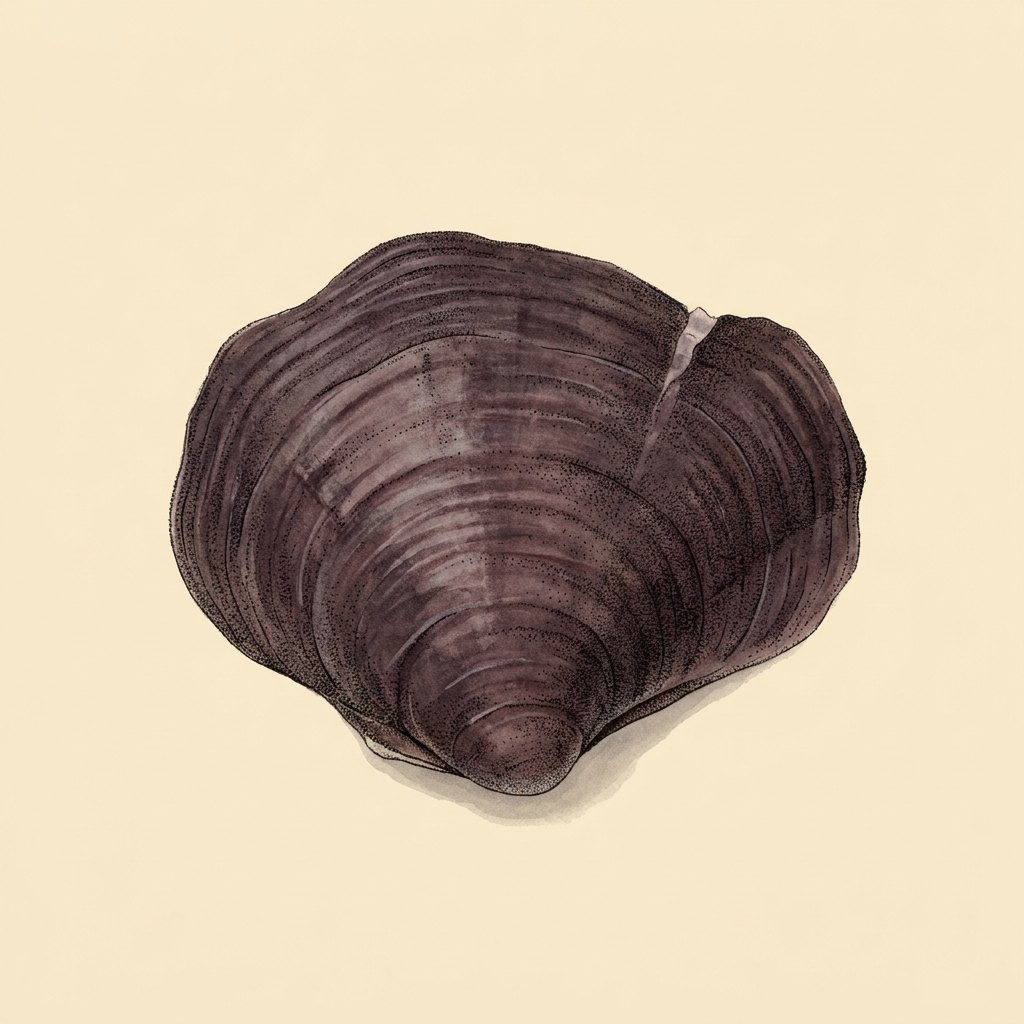
Atlantic Wing Oyster
Pteria colymbus
A dark, winged bivalve with a pearly interior that grows attached to sea whips and gorgonians.
Usually legal to collectSafe to handle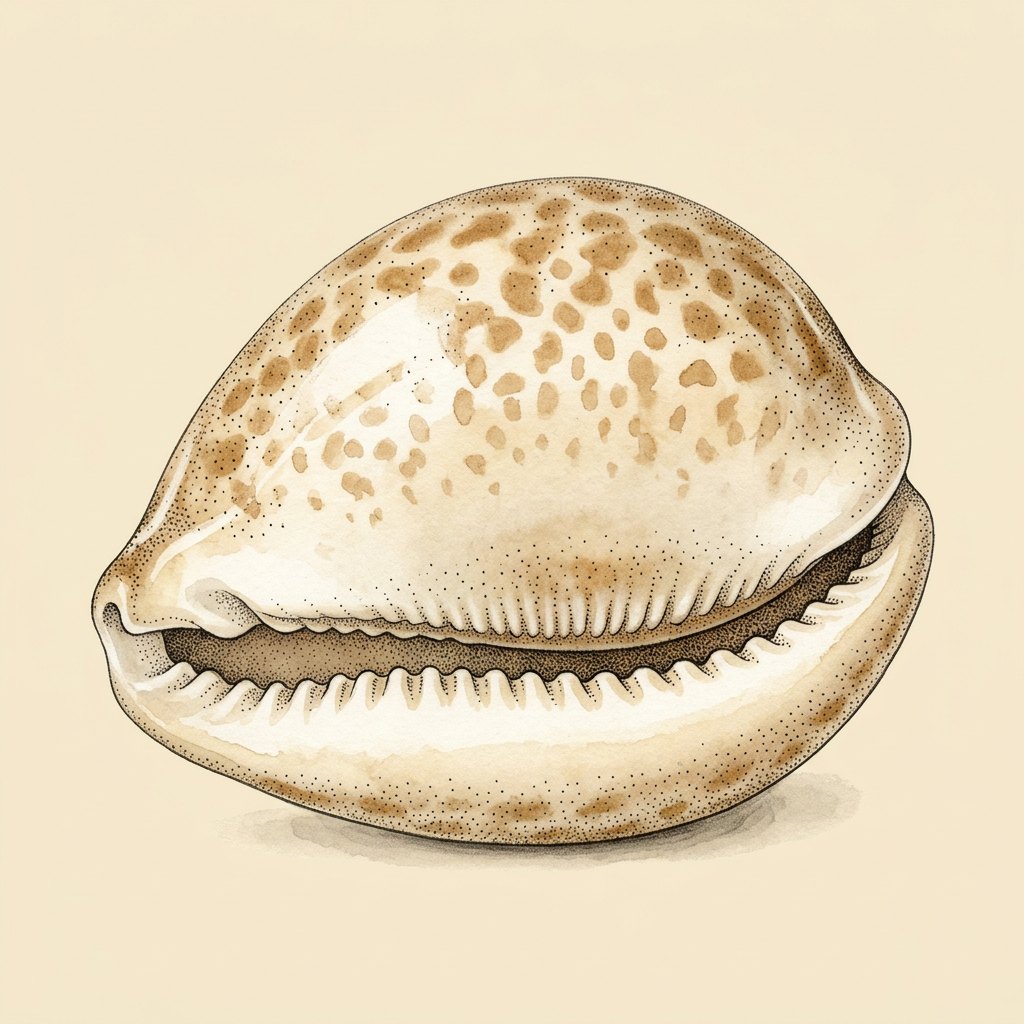
Atlantic Yellow Cowrie
Naria acicularis
A small, glossy, egg-shaped cowrie speckled in tan and cream, the most likely cowrie on a Florida beach.
RestrictedSafe to handle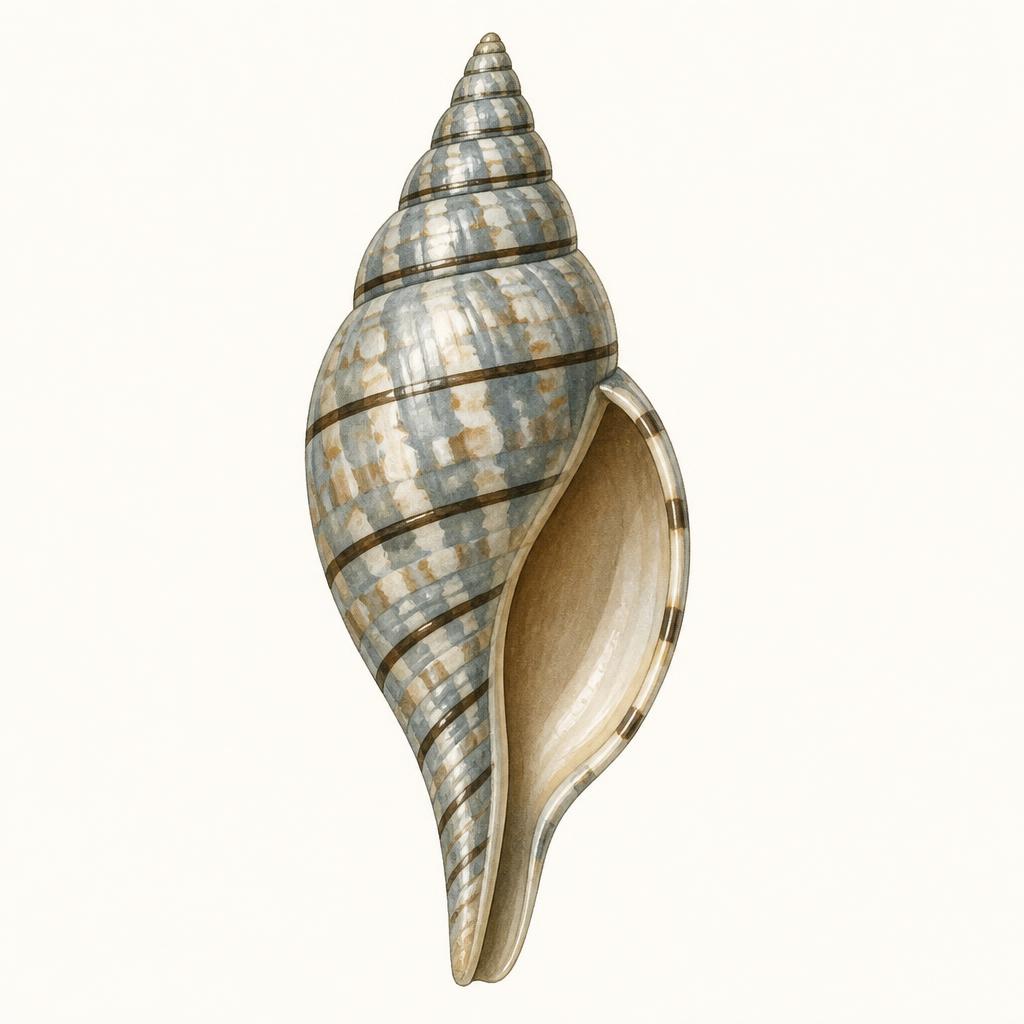
Banded Tulip
Cinctura lilium
A smooth spindle-shaped shell with fine dark spiral lines over soft gray and orange.
Usually legal to collectSafe to handle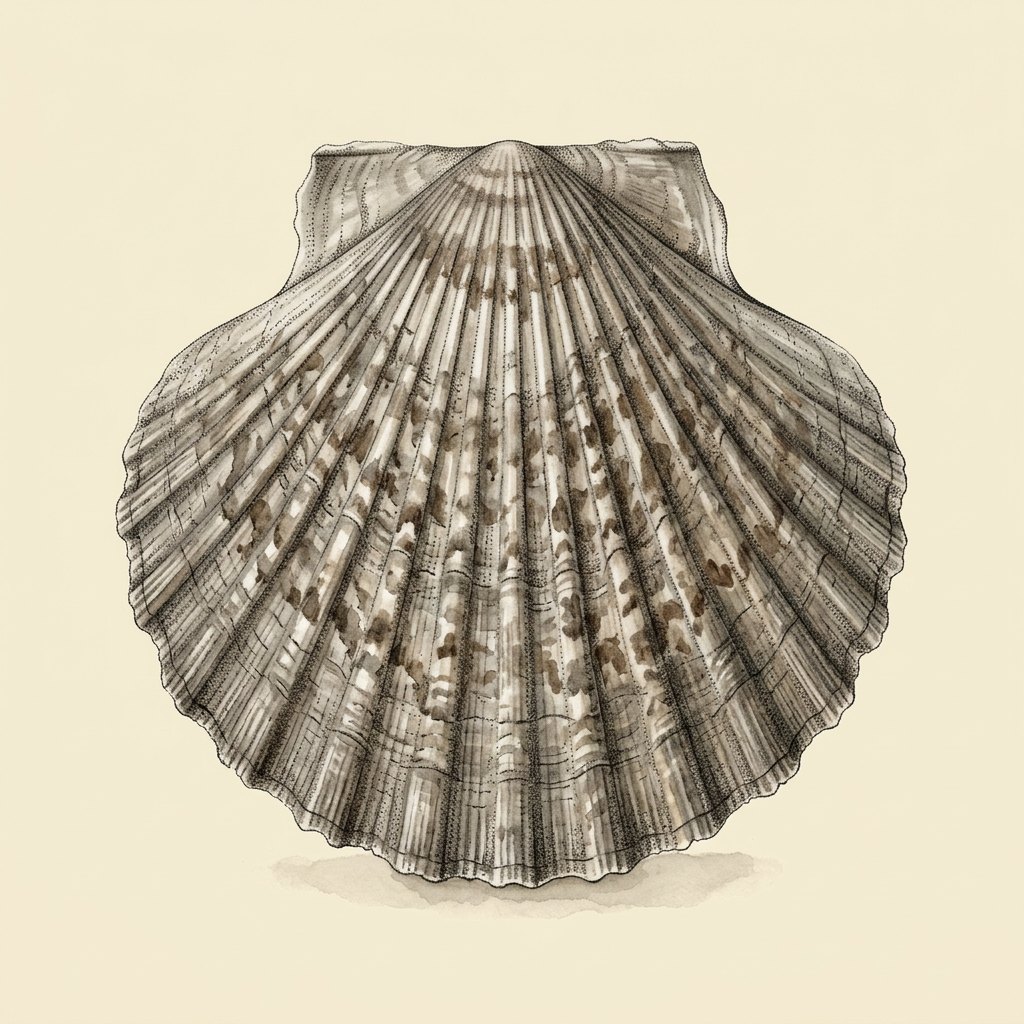
Bay Scallop
Argopecten irradians
The scallop of Florida's seagrass bays, rounder and often darker than the calico, with bright blue eyes when alive.
Check local rulesSafe to handle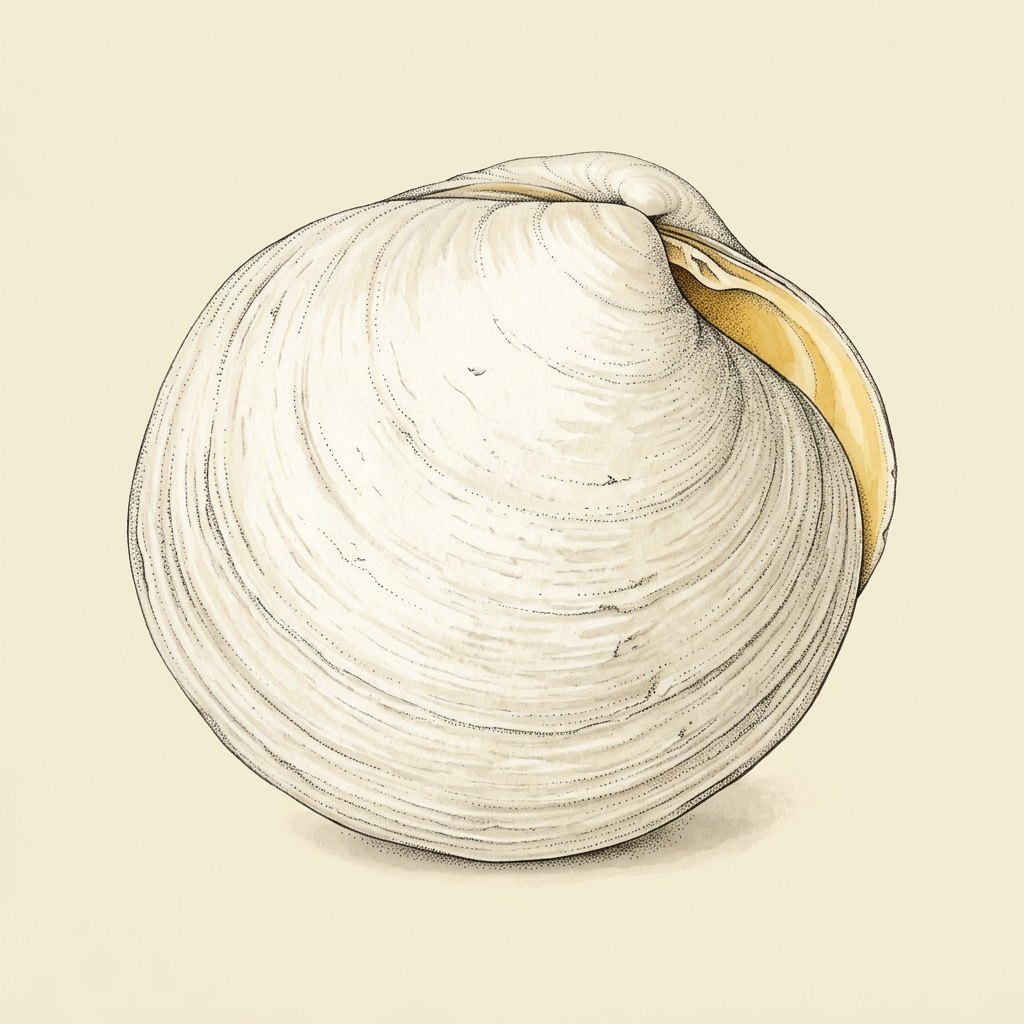
Buttercup Lucine
Anodontia alba
A round, inflated white clam with a soft yellow wash inside like the inside of a buttercup.
RestrictedSafe to handle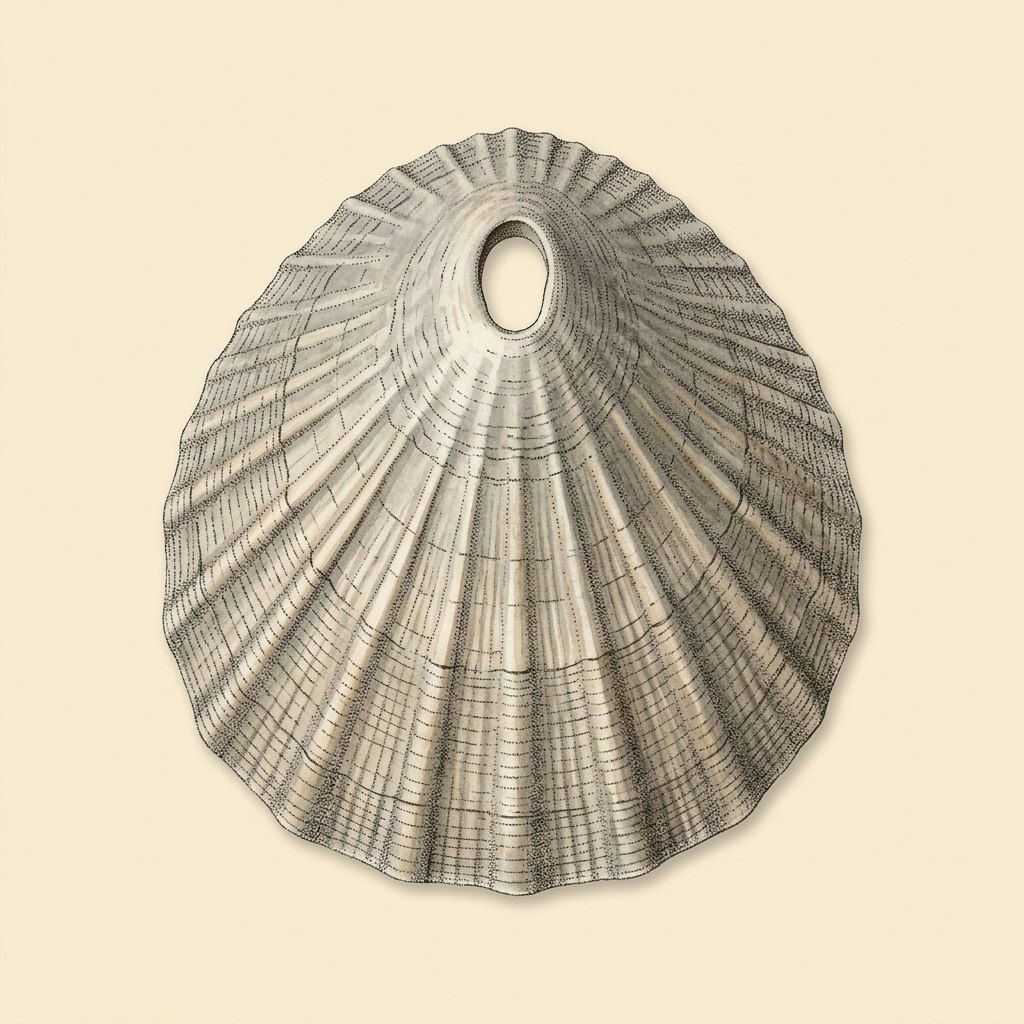
Cayenne Keyhole Limpet
Diodora cayenensis
A small volcano-shaped shell with a neat keyhole opening at the summit.
RestrictedSafe to handle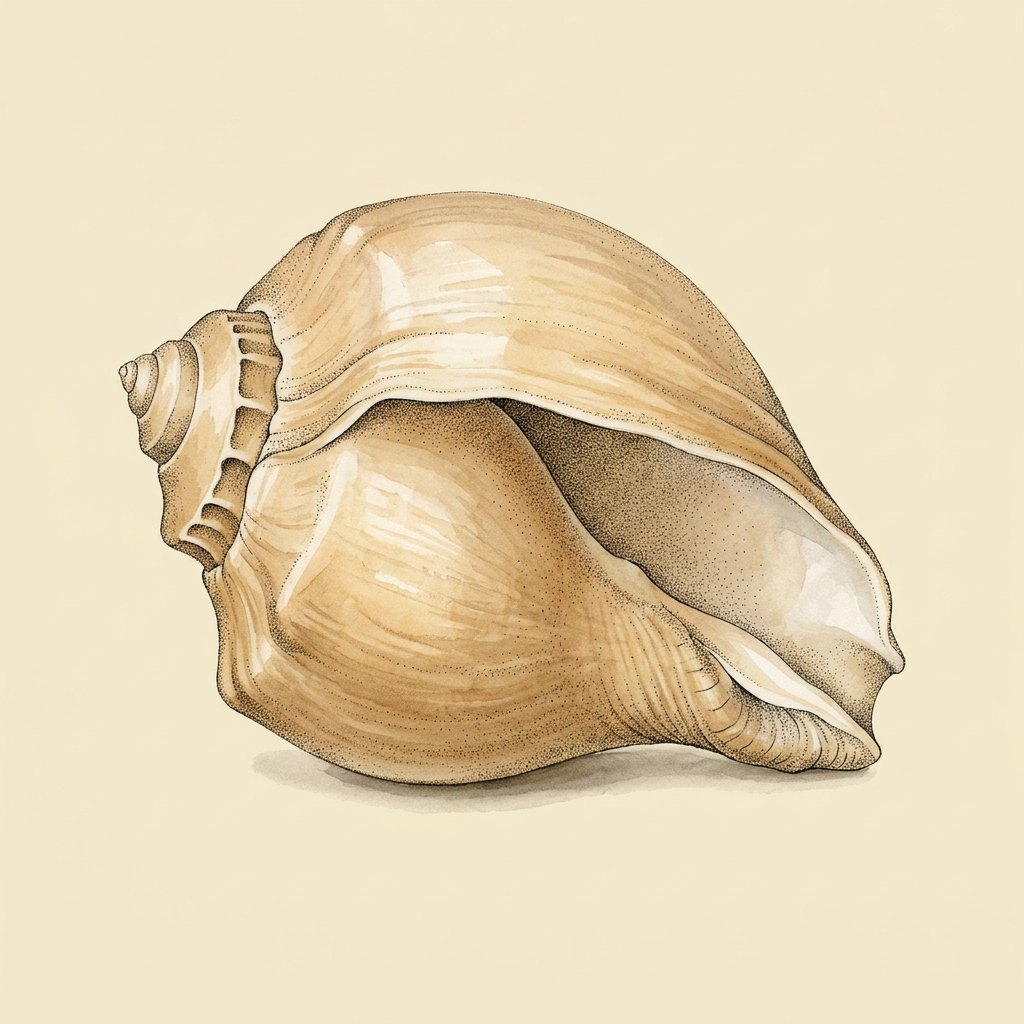
Channeled Whelk
Busycotypus canaliculatus
A smooth, buff-coloured whelk with a deep channel spiralling along the suture between whorls.
RestrictedHandle with care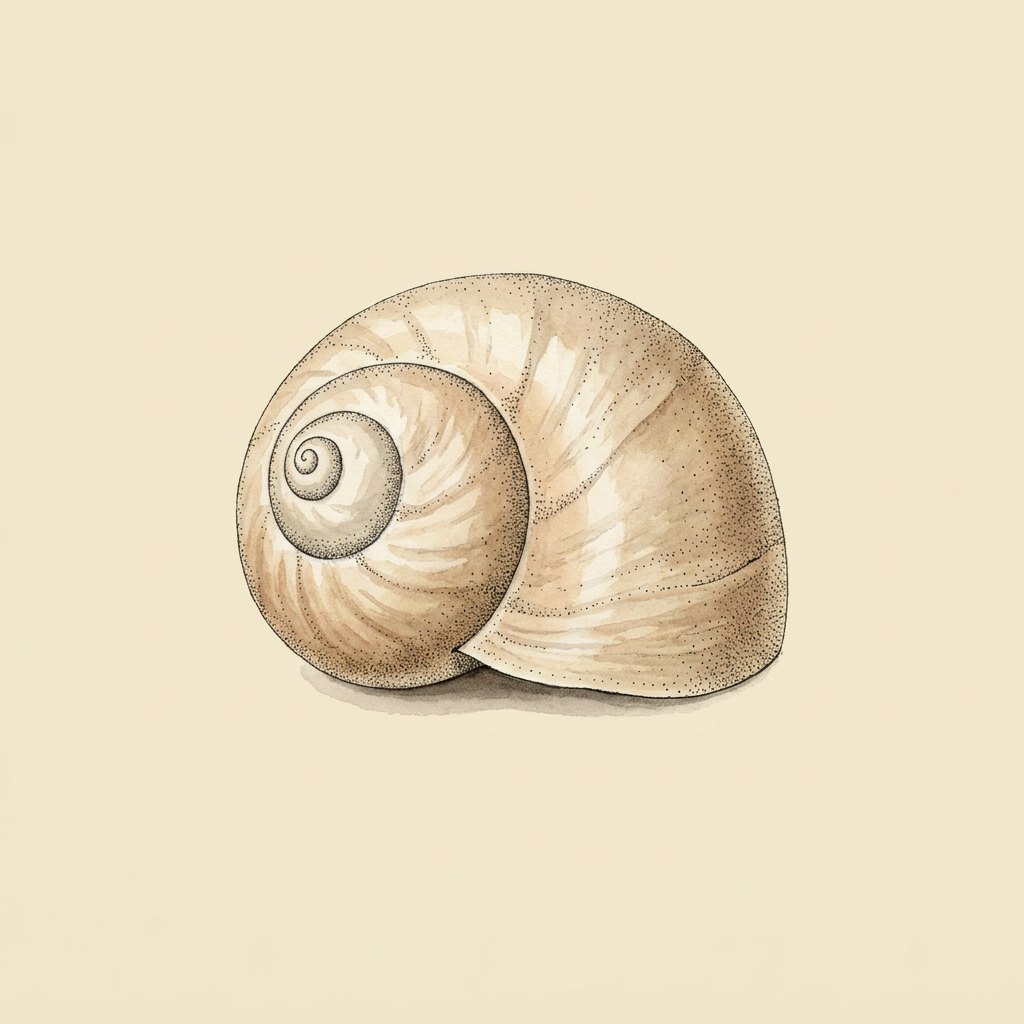
Chestnut Turban
Turbo castanea
A solid, beaded turban shell in chestnut and cream, sometimes still holding its thick white trapdoor.
RestrictedSafe to handle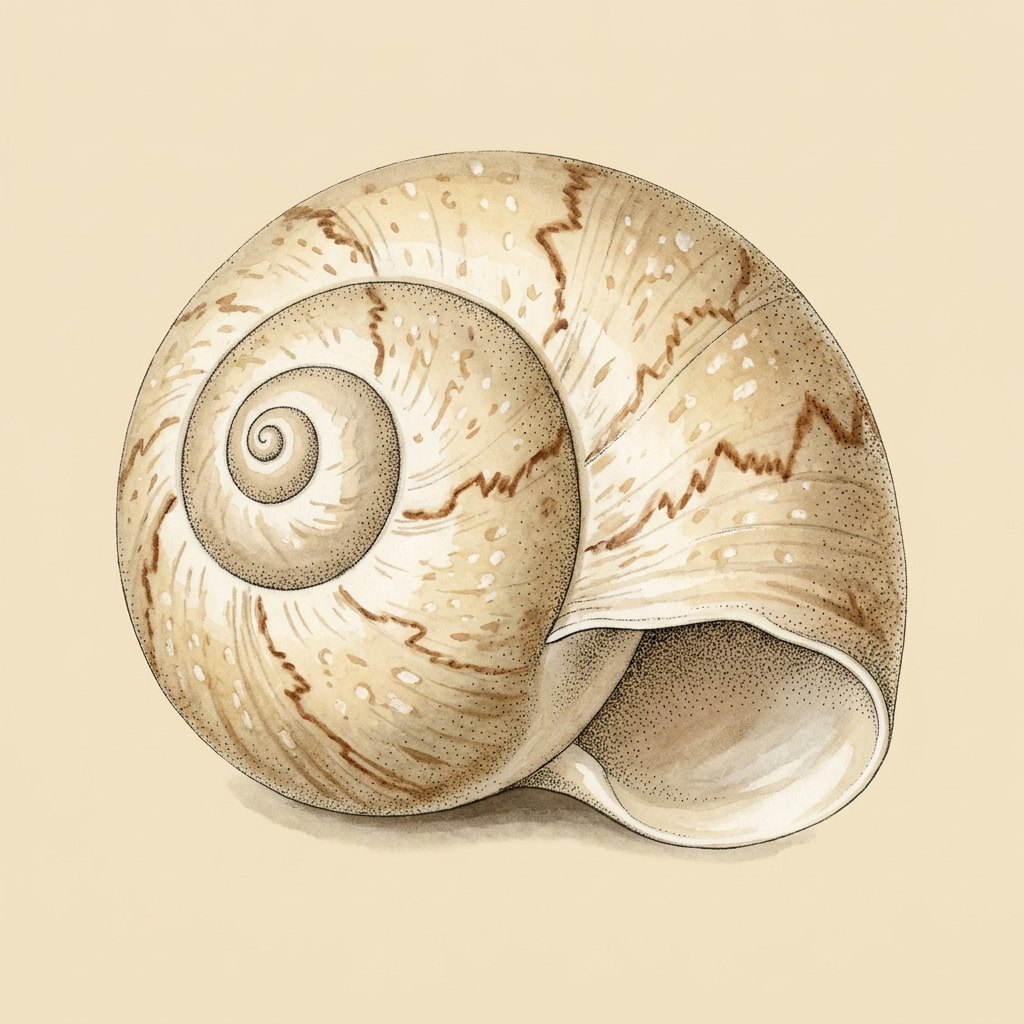
Colorful Atlantic Moon Snail
Naticarius canrena
A moon snail marked with zigzag brown streaks over cream, prettier and less common than the shark eye.
RestrictedSafe to handle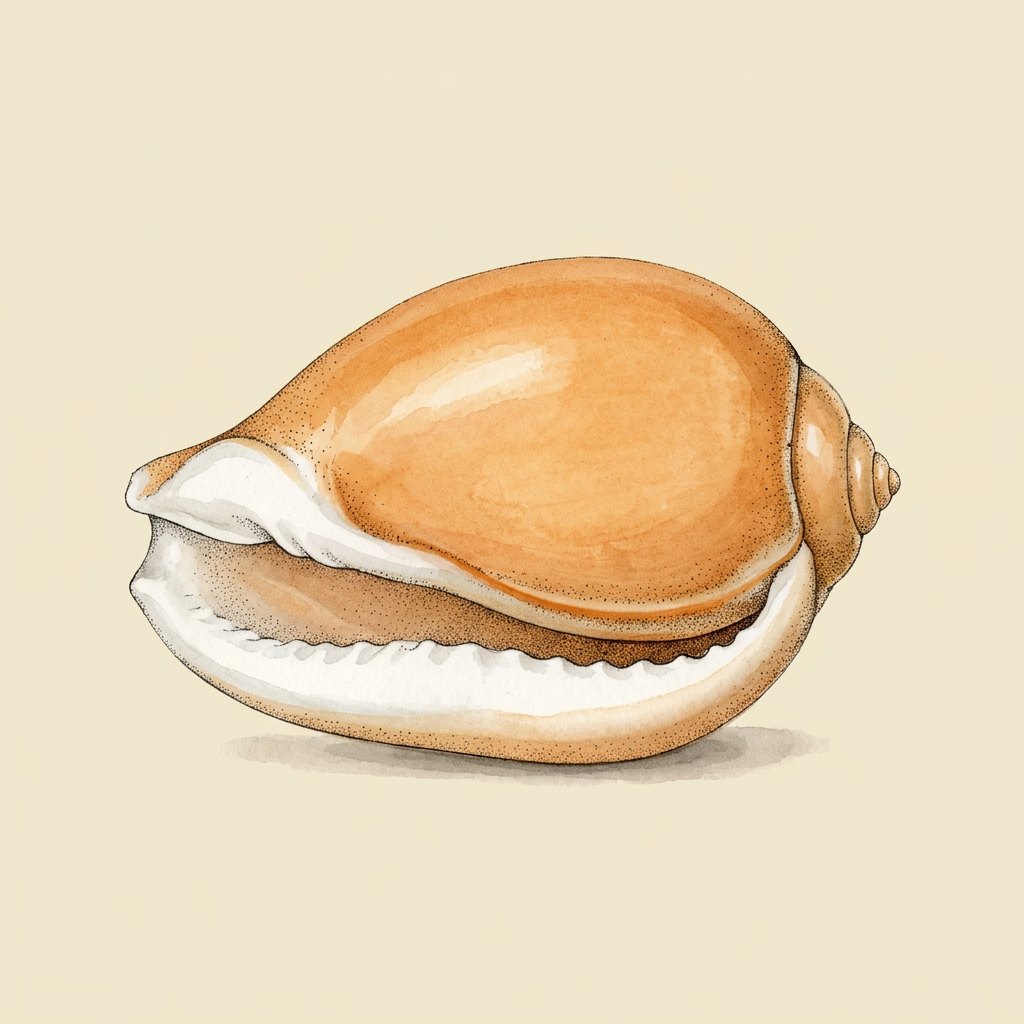
Common Atlantic Marginella
Prunum apicinum
A tiny, mirror-glossy shell in orange-tan with a thickened white lip, common in shell hash.
RestrictedSafe to handle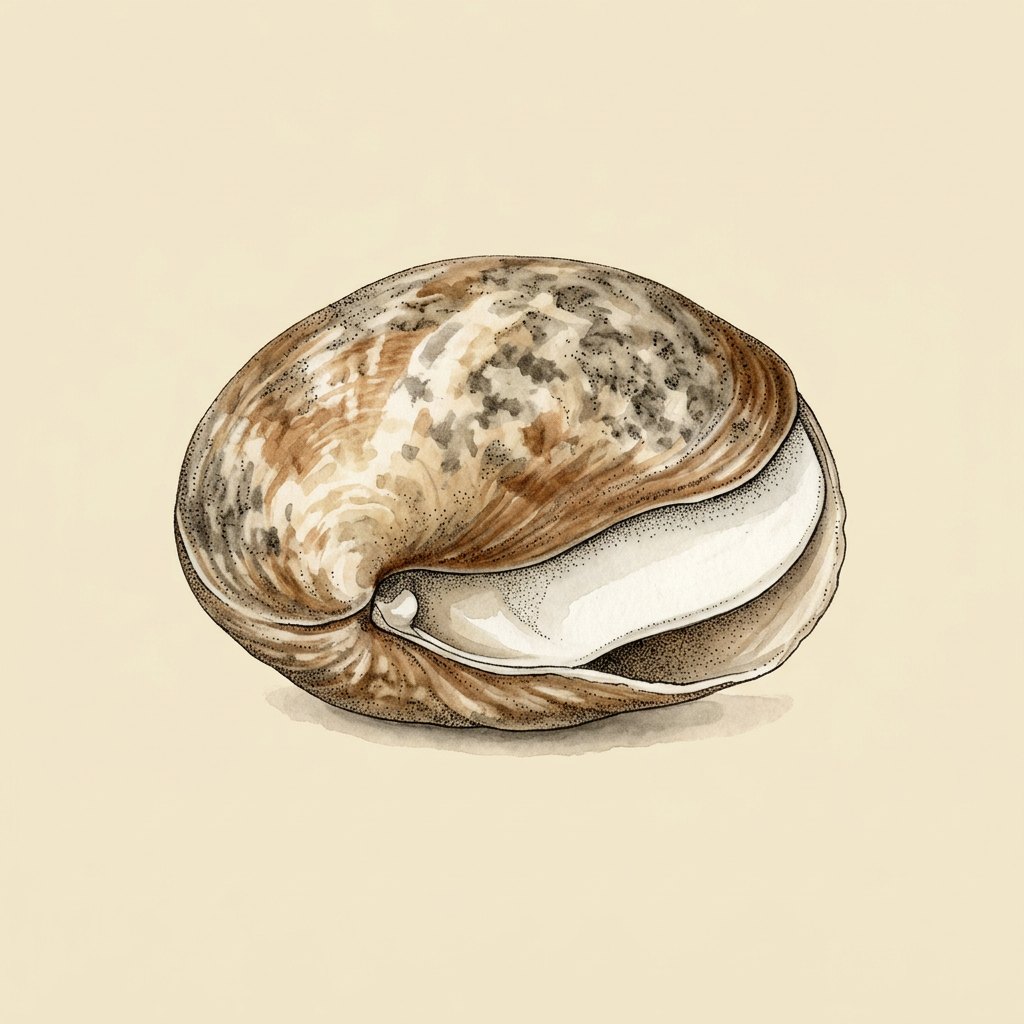
Common Atlantic Slipper Shell
Crepidula fornicata
A humped oval shell with a shelf inside, like a tiny boat with a deck — often found stacked in chains.
RestrictedSafe to handle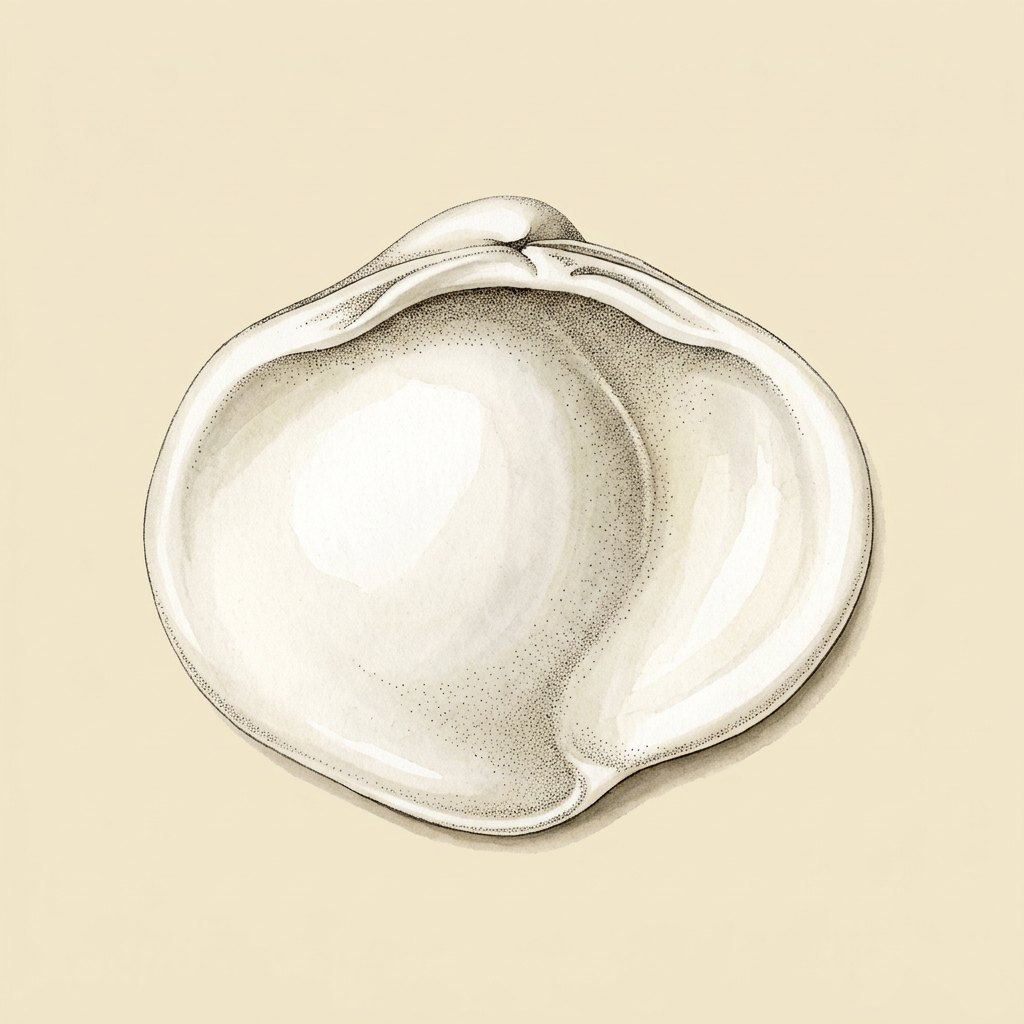
Common Baby's Ear
Sinum perspectivum
A flattened white shell shaped exactly like a small ear, glossy and slightly translucent.
RestrictedSafe to handle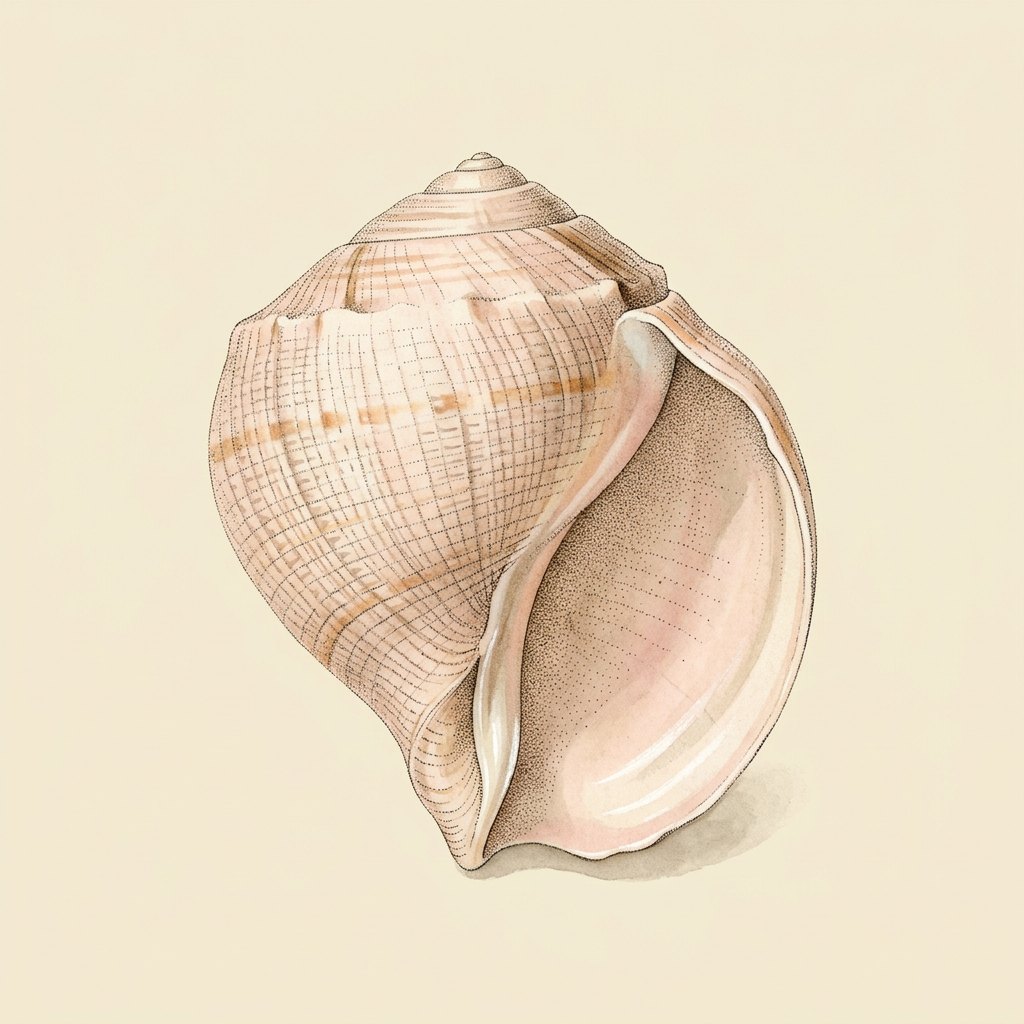
Common Fig Shell
Ficus papyratia
A paper-thin, fig-shaped shell so fragile that finding an unbroken one is a small event.
RestrictedSafe to handle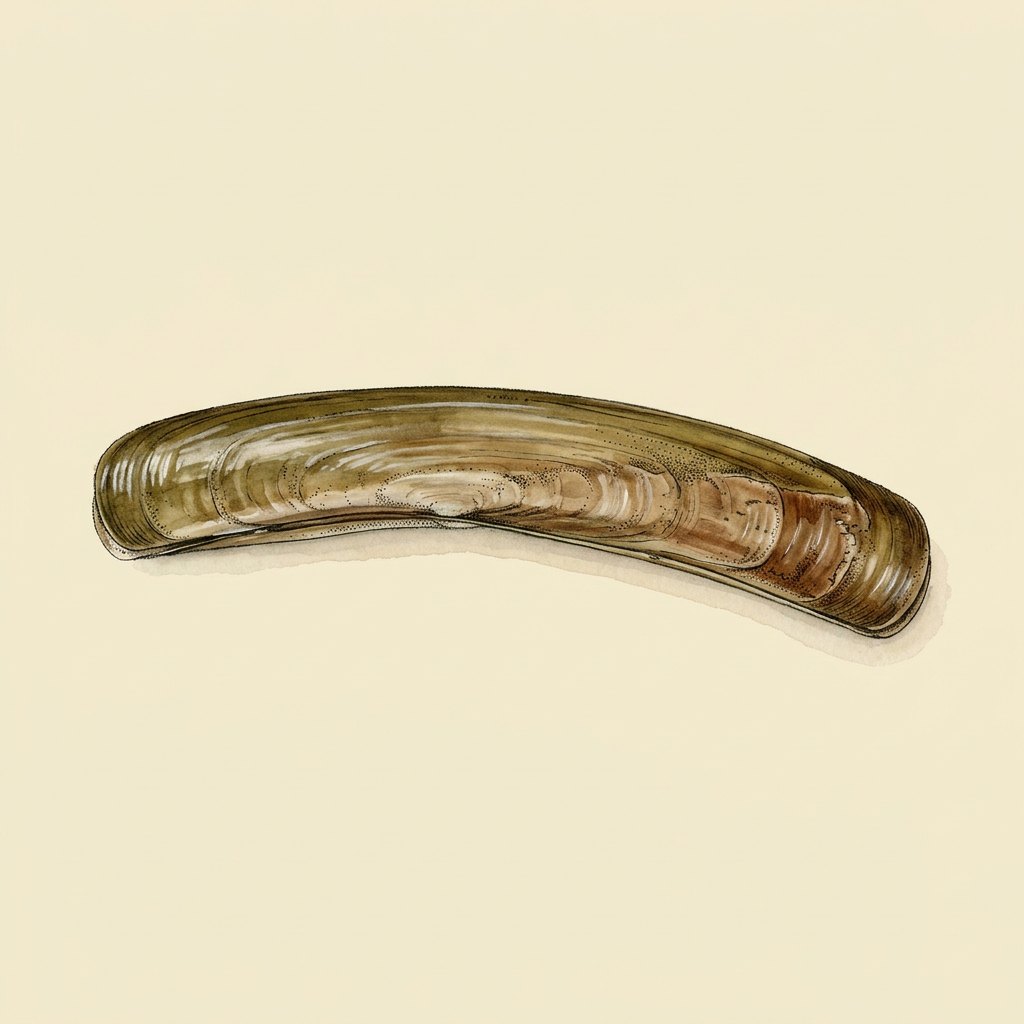
Common Jackknife Clam
Ensis leei
A long, narrow, curved shell that looks exactly like a straight razor.
RestrictedSharp edges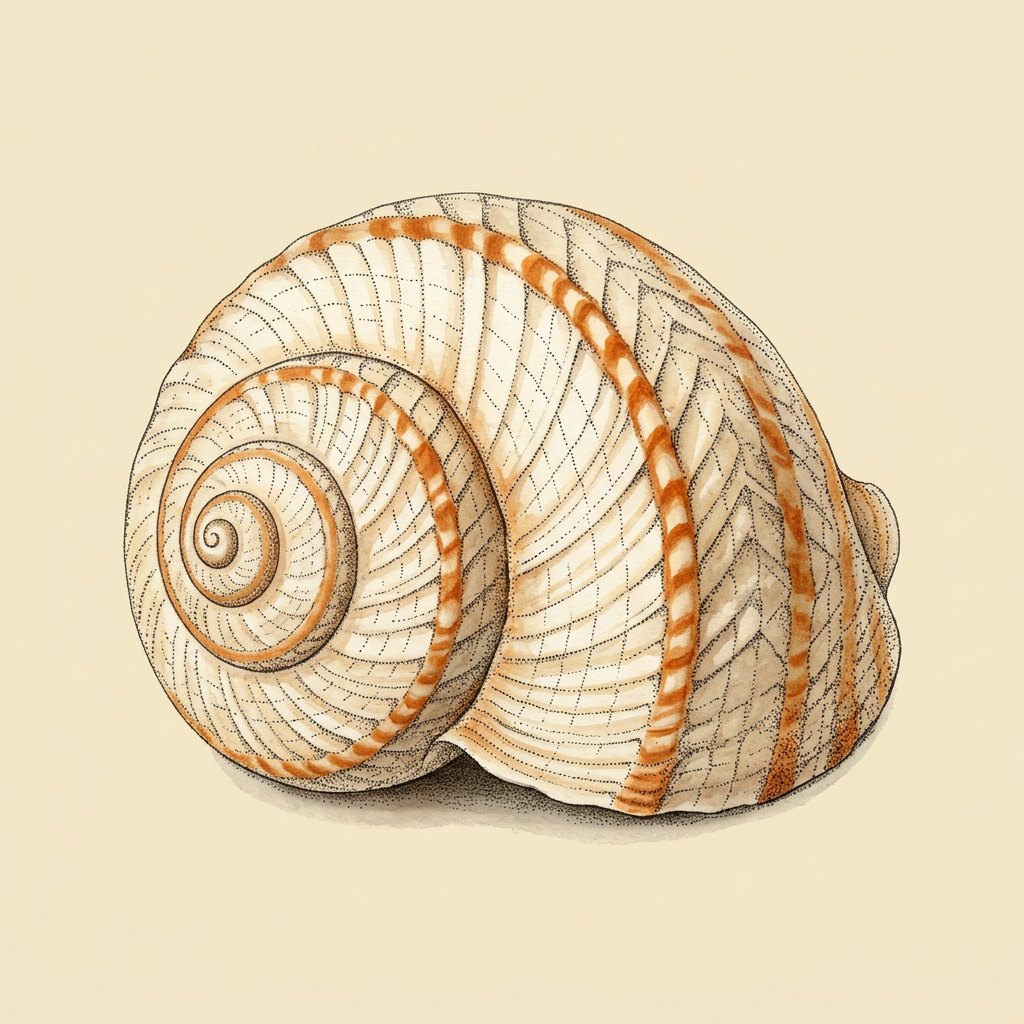
Common Nutmeg
Cancellaria reticulata
A stout, crosshatched shell the colour of a nutmeg, with a neatly latticed surface.
RestrictedSafe to handle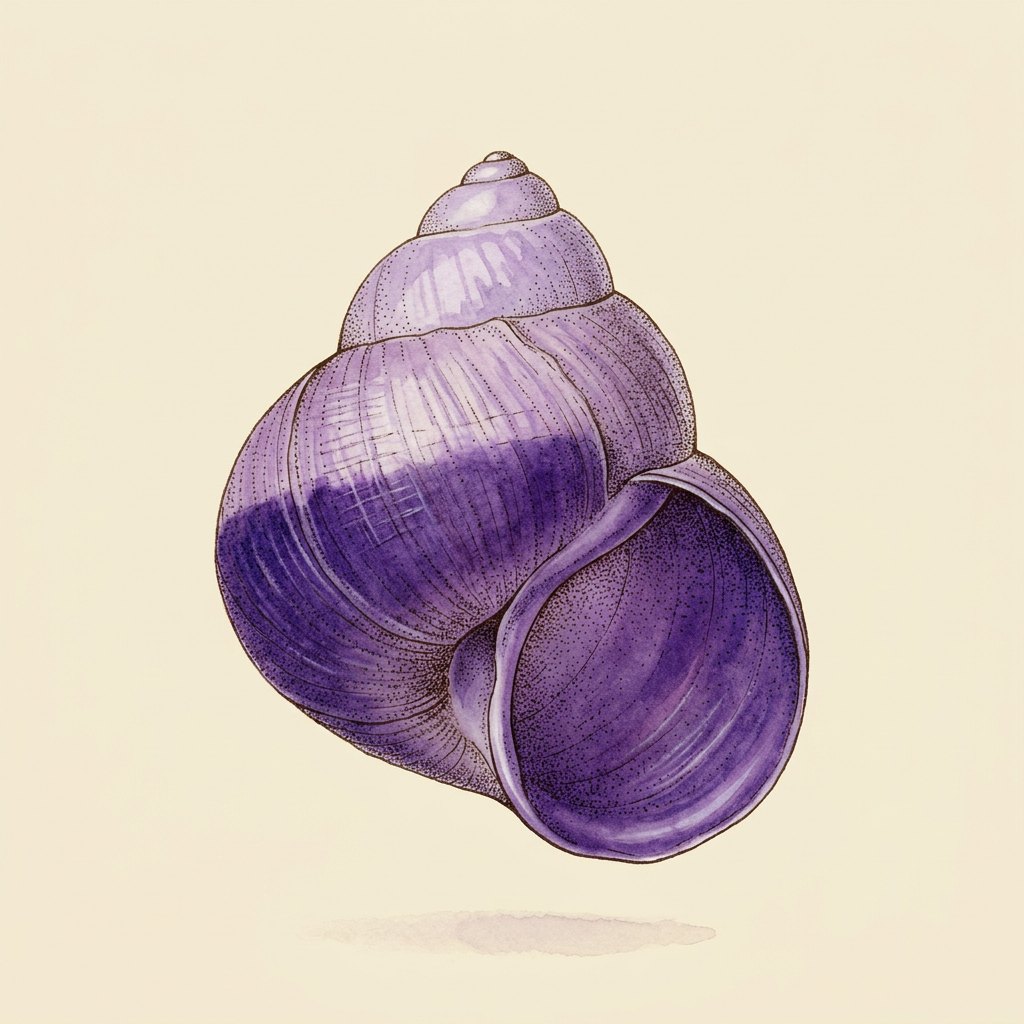
Common Purple Sea Snail
Janthina janthina
A fragile violet shell that floats upside down on a raft of bubbles far out at sea and strands in mass drift events.
Usually legal to collectMay irritate skin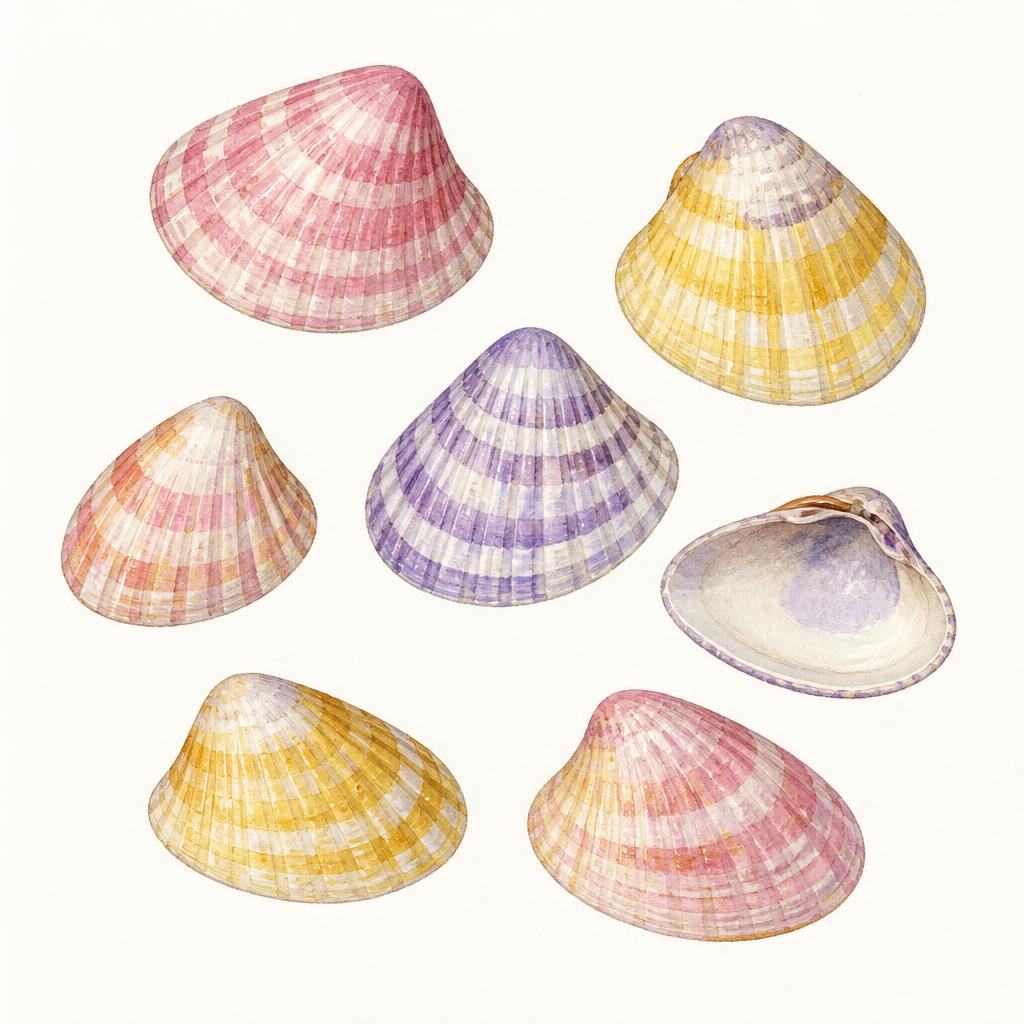
Coquina Clam
Donax variabilis
Tiny wedge clams in every color, seen burrowing back into the wet sand as waves recede.
Usually legal to collectSafe to handle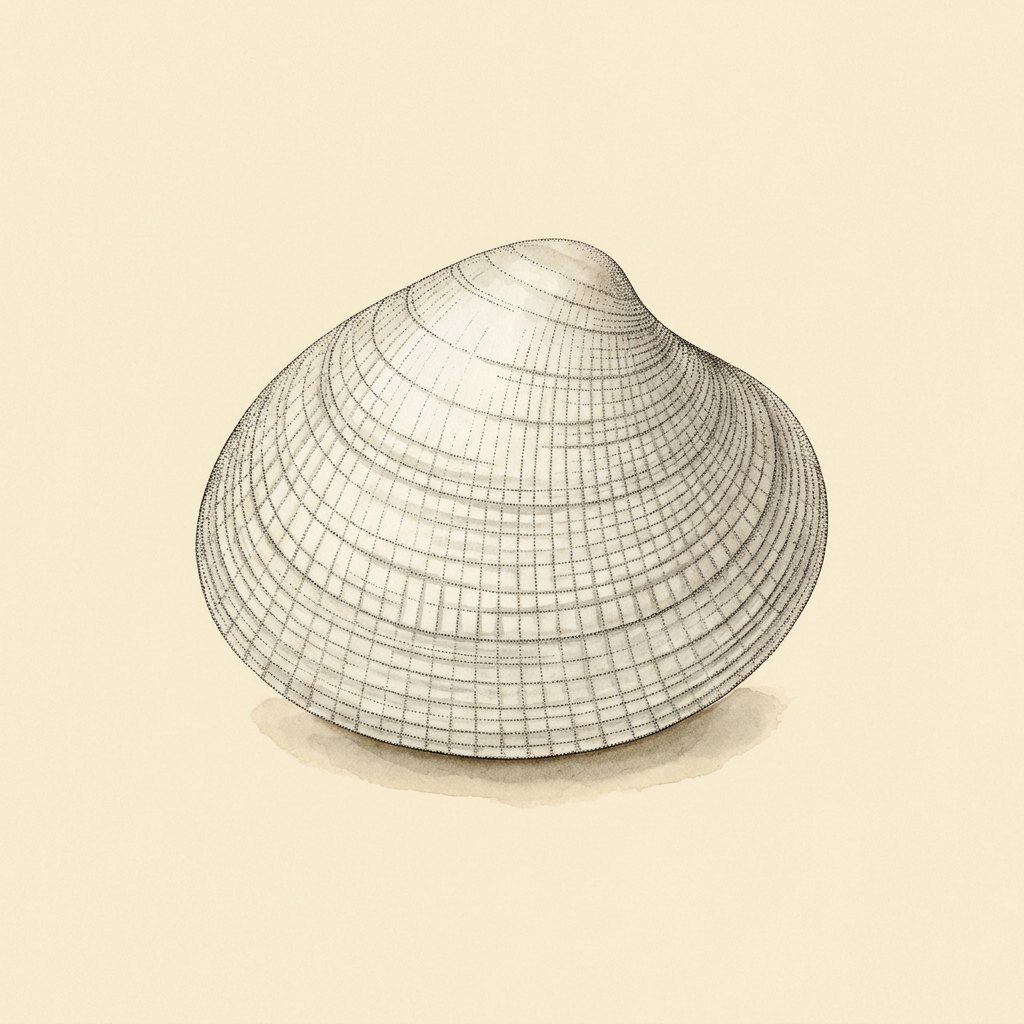
Cross-barred Venus
Chione elevata
A small, sturdy clam with a waffle-like grid of ridges, one of the most abundant shells in Florida drift.
RestrictedSafe to handle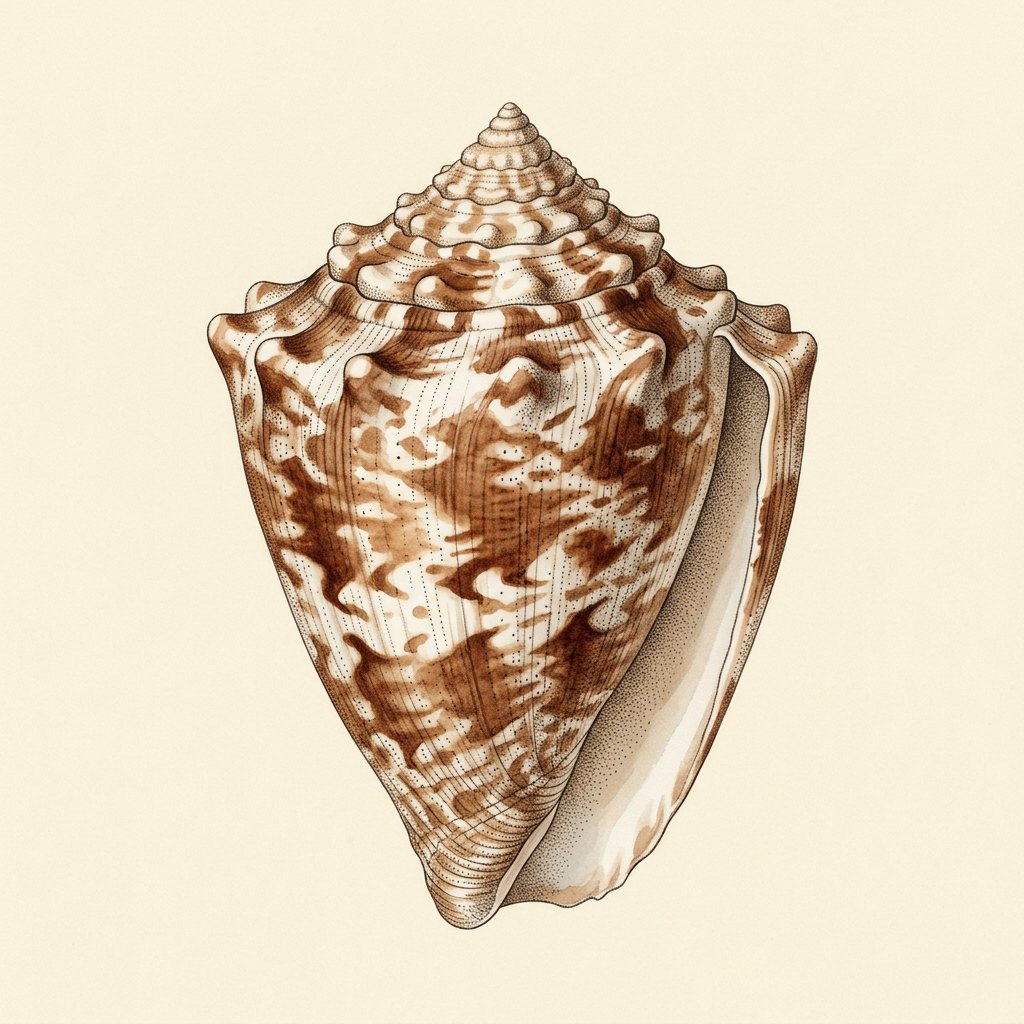
Crown Cone
Conus regius
A heavier cone with a knobbed shoulder and rich chestnut mottling, mostly a Keys and southeast find.
RestrictedPossibly venomous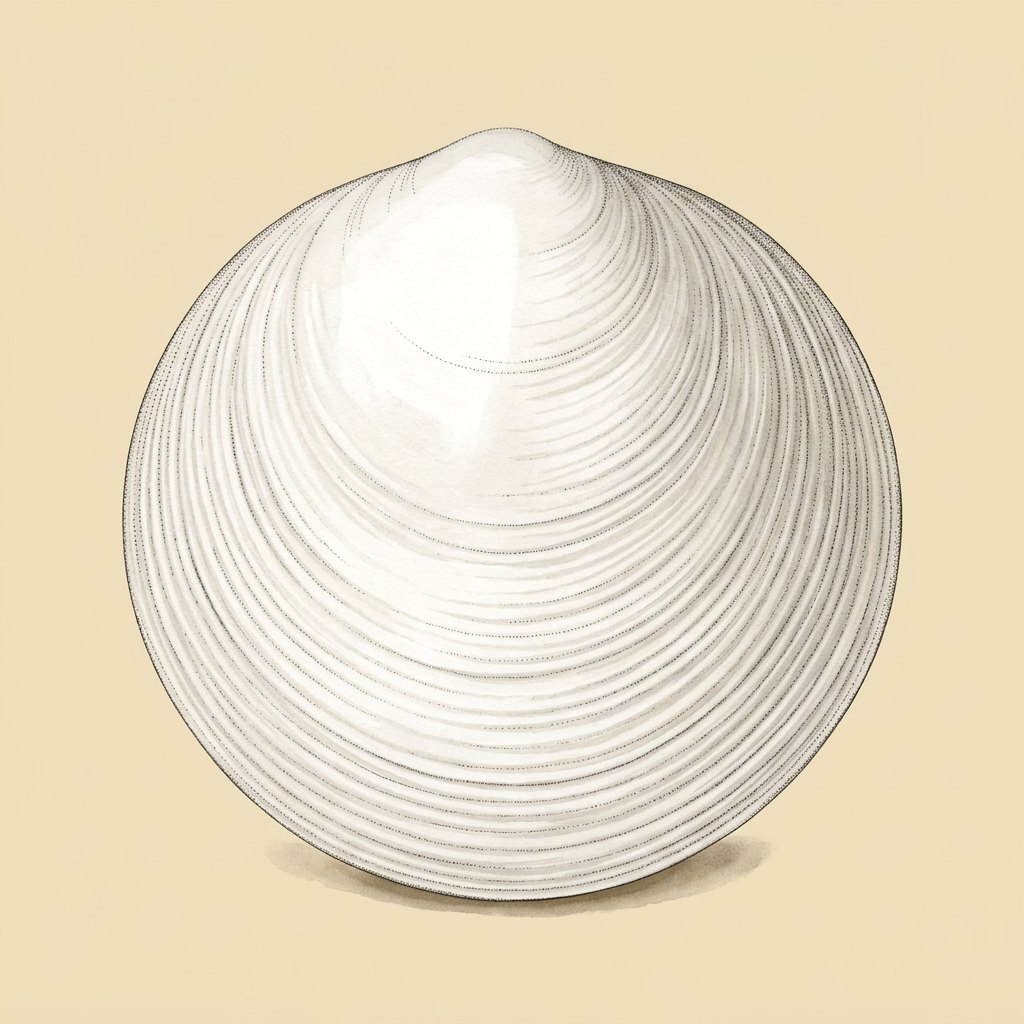
Disk Dosinia
Dosinia discus
A near-perfect white disc, flat and finely ridged, one of the most satisfying shapes on the beach.
RestrictedSafe to handle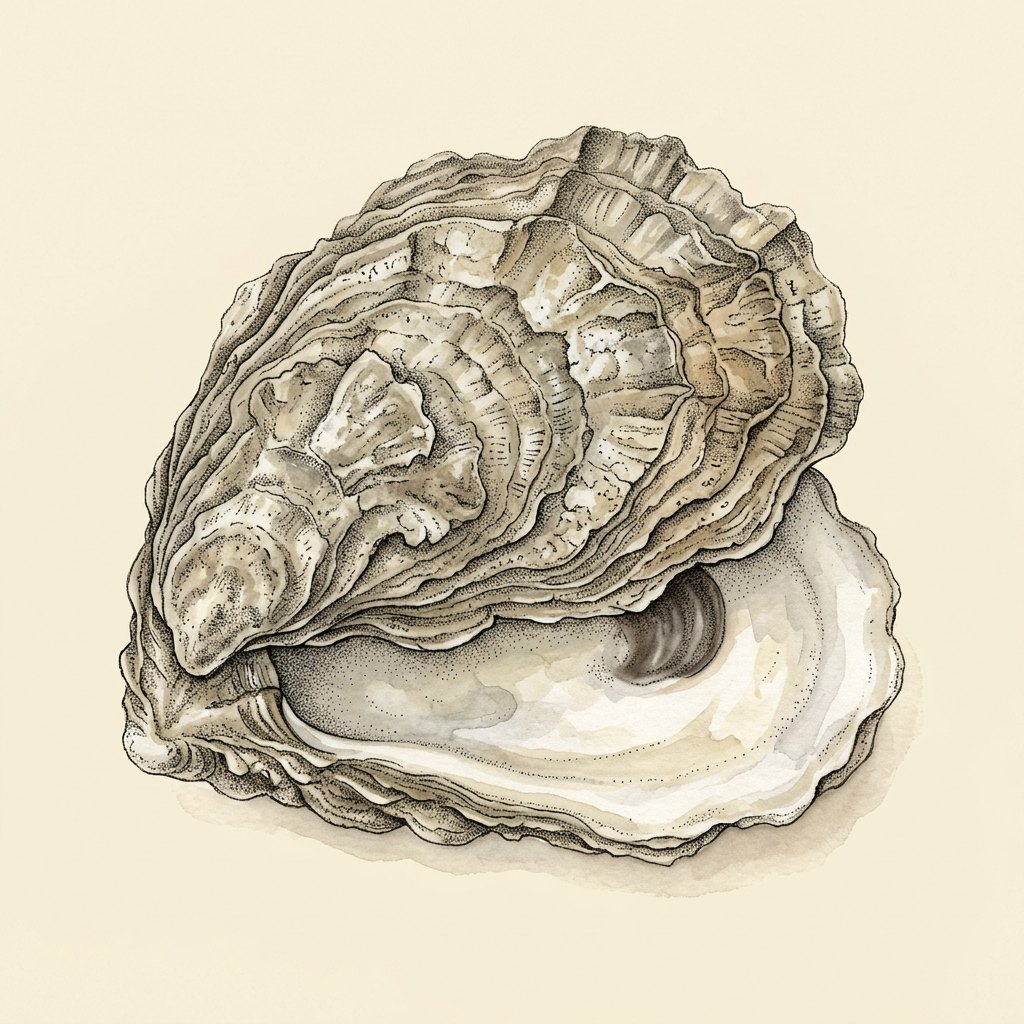
Eastern Oyster
Crassostrea virginica
The reef-building oyster of Florida's estuaries, irregular and rough outside with a smooth white scar inside.
Check local rulesSharp edges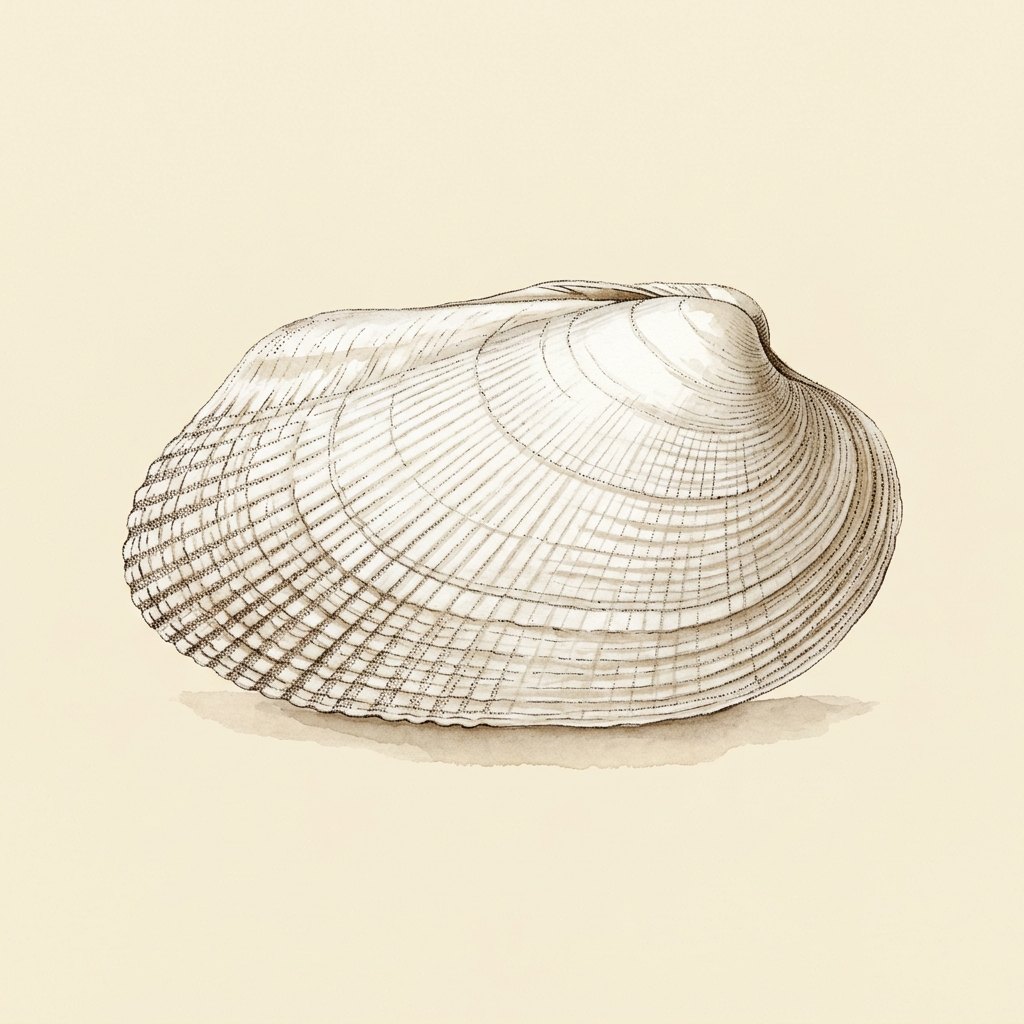
False Angel Wing
Petricolaria pholadiformis
A smaller, sturdier white bivalve often mistaken for a true angel wing, with coarser ribs.
RestrictedSafe to handle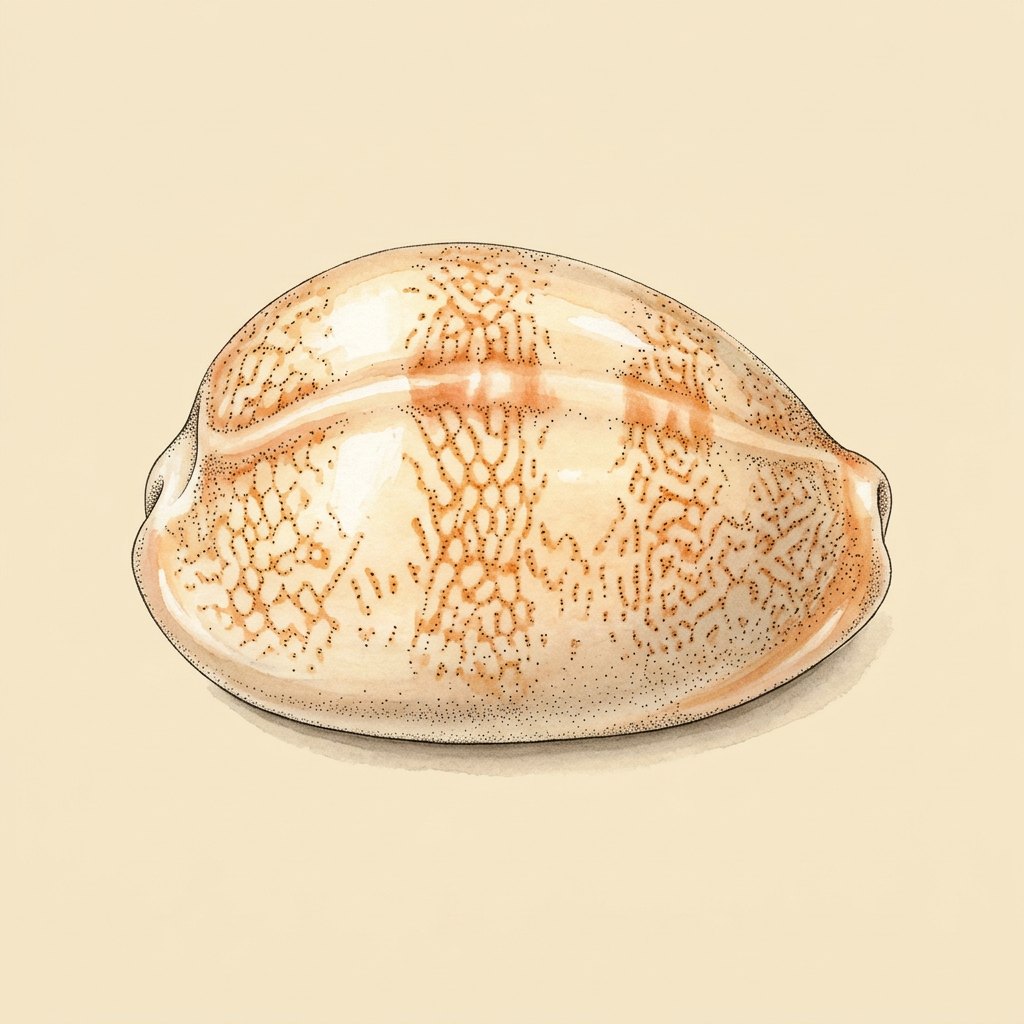
Flamingo Tongue
Cyphoma gibbosum
A small, smooth orange-white shell whose living animal wears a spotted leopard-print mantle over sea fans.
Protected, do not collectSafe to handle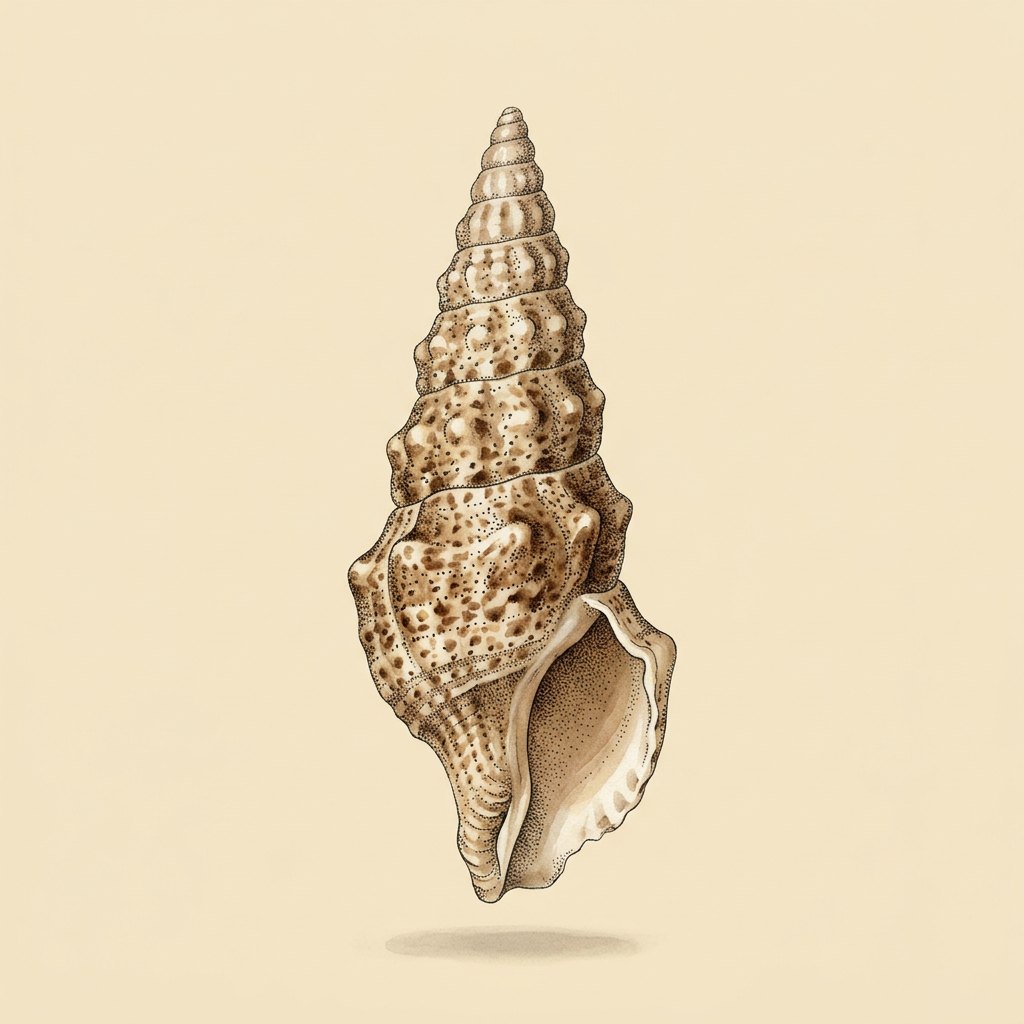
Florida Cerith
Cerithium atratum
A small, beaded spire in brown and white, one of the most abundant snails on Florida grass flats.
RestrictedSafe to handle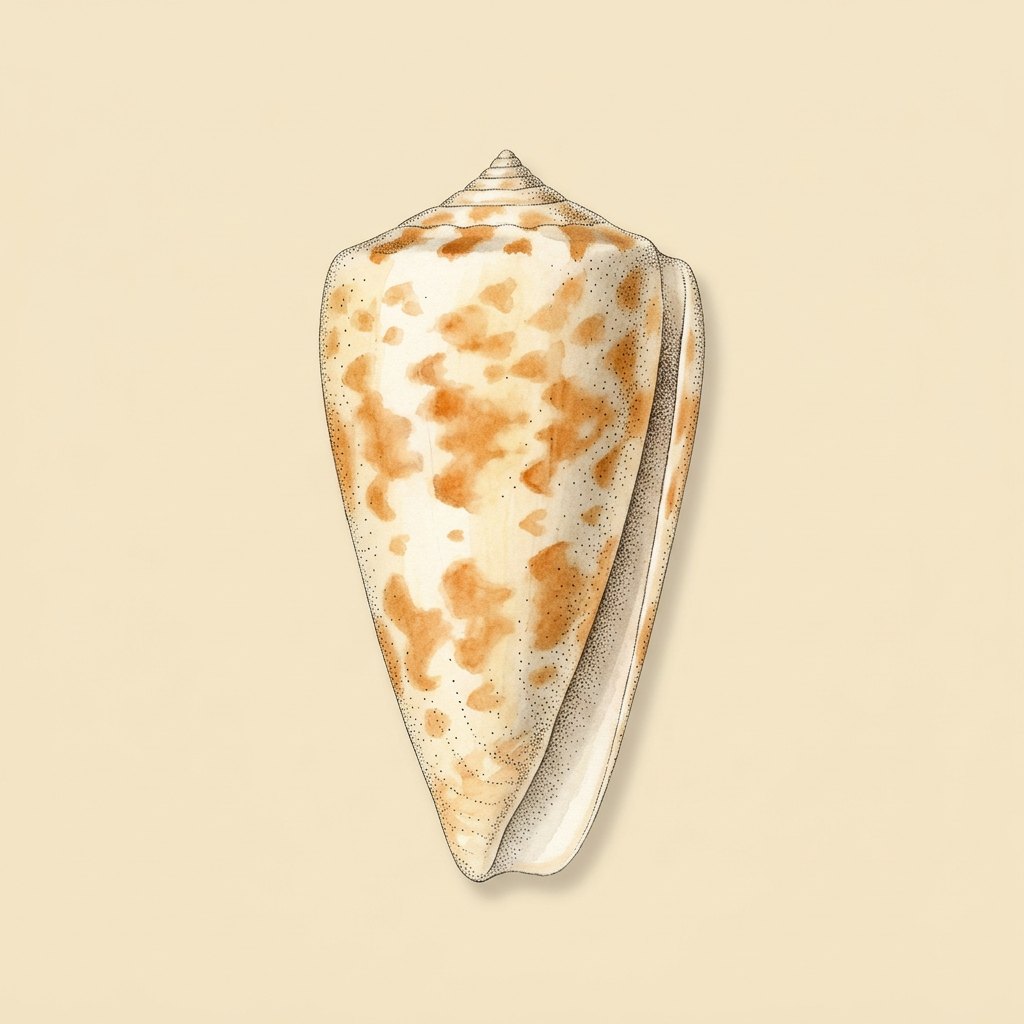
Florida Cone
Conus anabathrum
A small, smooth cone with cloudy orange blotches, the most frequently found cone on southwest Gulf beaches.
RestrictedPossibly venomous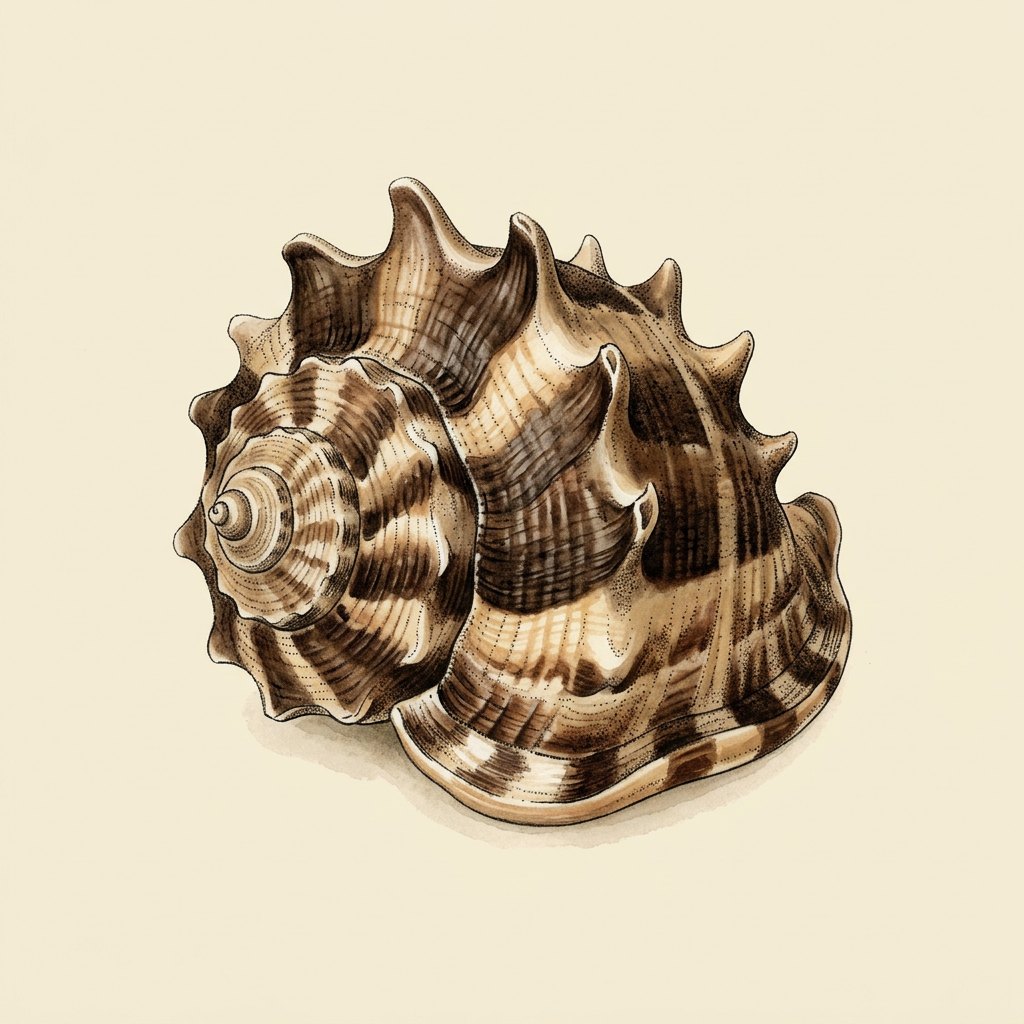
Florida Crown Conch
Melongena corona
A dark, banded snail with a crown of upturned spines, common on mudflats and mangrove edges where it hunts oysters and clams.
RestrictedHandle with care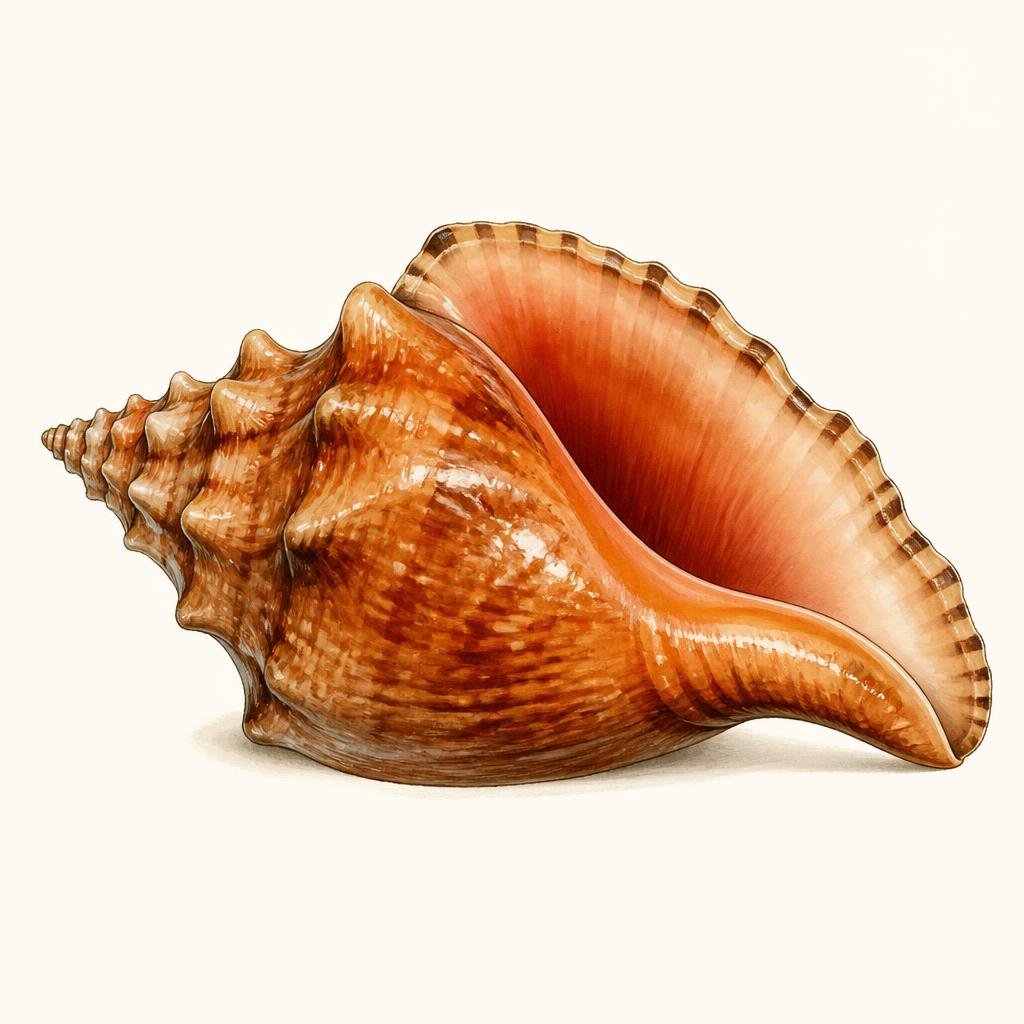
Florida Fighting Conch
Strombus alatus
A heavy, flared orange-brown conch that washes up in numbers after winter storms.
Usually legal to collectSafe to handle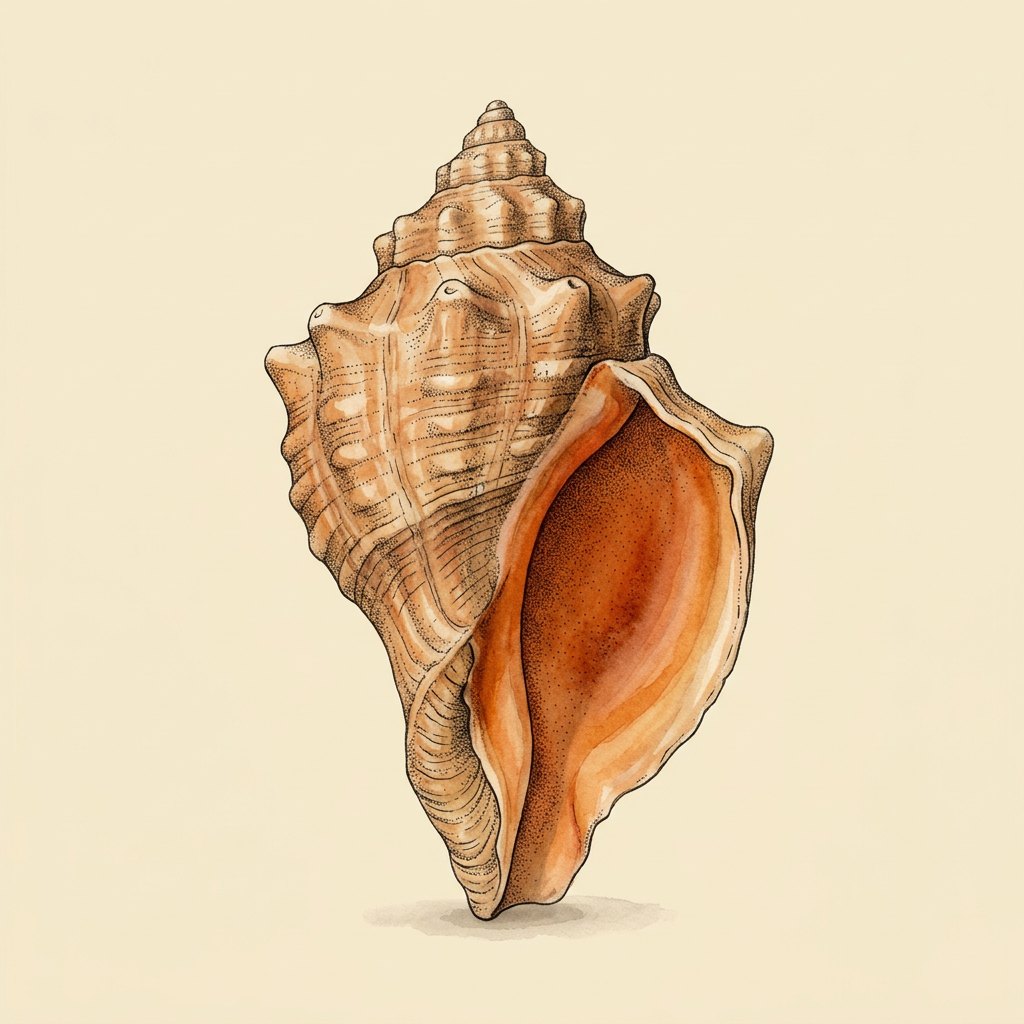
Florida Horse Conch
Triplofusus giganteus
Florida's state shell and the largest gastropod in American waters, a heavy orange-mouthed spindle that beachcombers dream about finding whole.
RestrictedHandle with care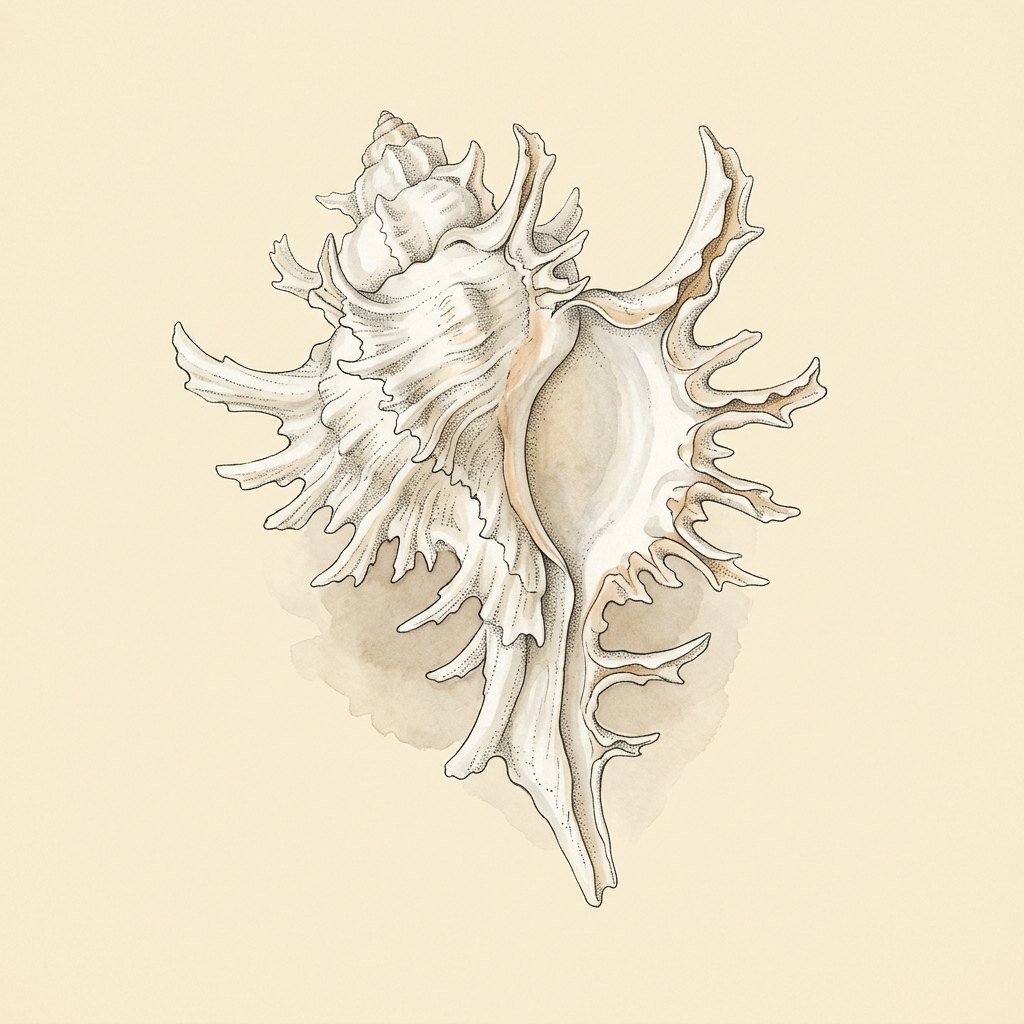
Florida Lace Murex
Chicoreus dilectus
A delicate murex fringed with frilled, leafy spines that look like carved lace when the shell survives the surf.
RestrictedSharp edges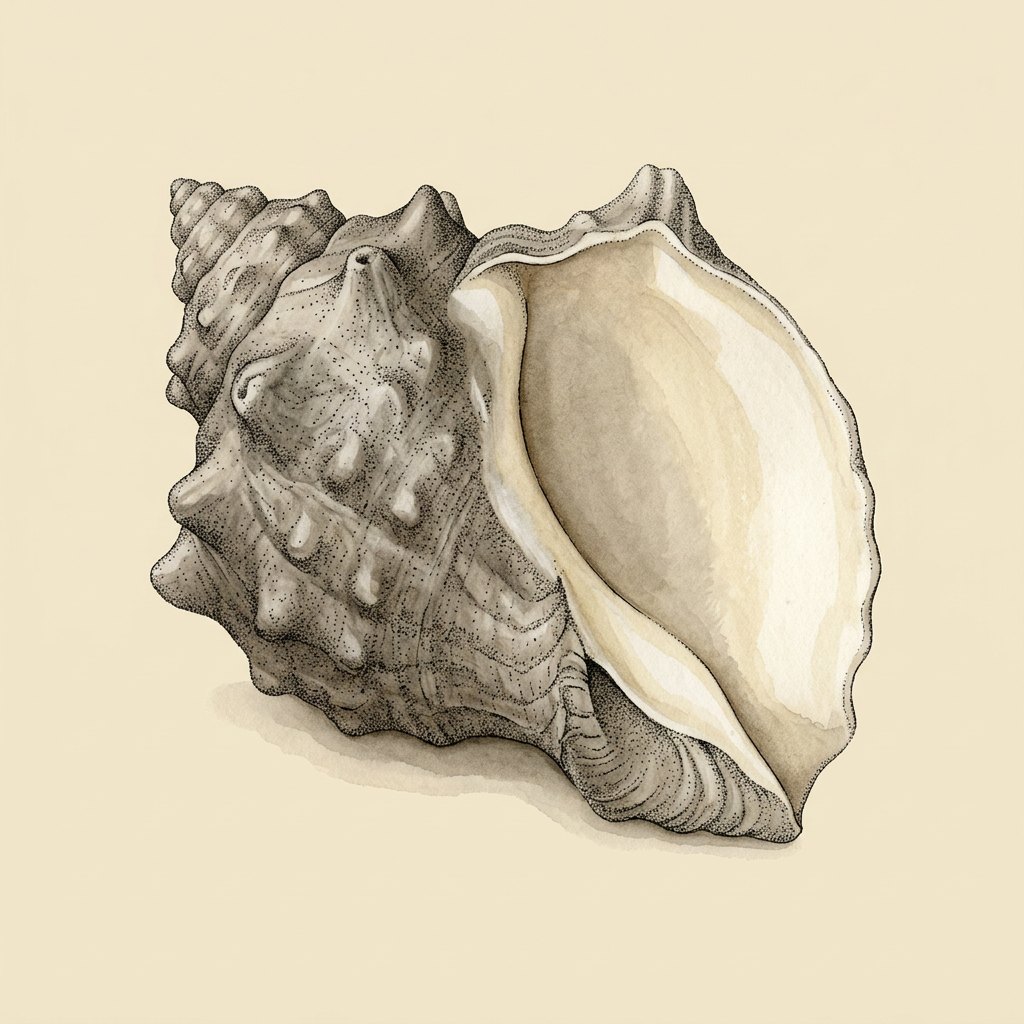
Florida Rocksnail
Stramonita floridana
A chunky, sculpted snail of jetties and oyster bars, variable in colour with a wide flaring mouth.
RestrictedSafe to handle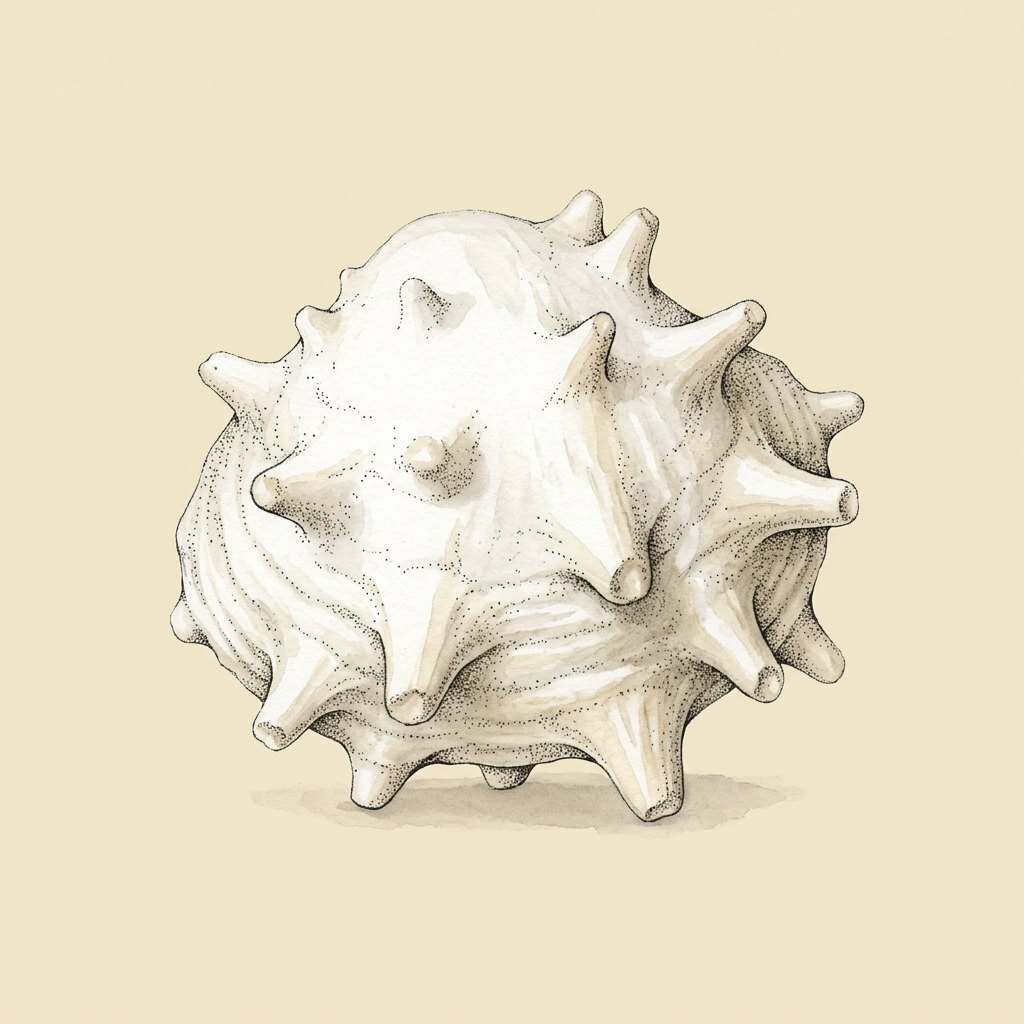
Florida Spiny Jewel Box
Arcinella cornuta
A small, thick, white bivalve covered in stubby spines, shaped like a knuckled fist.
RestrictedSafe to handle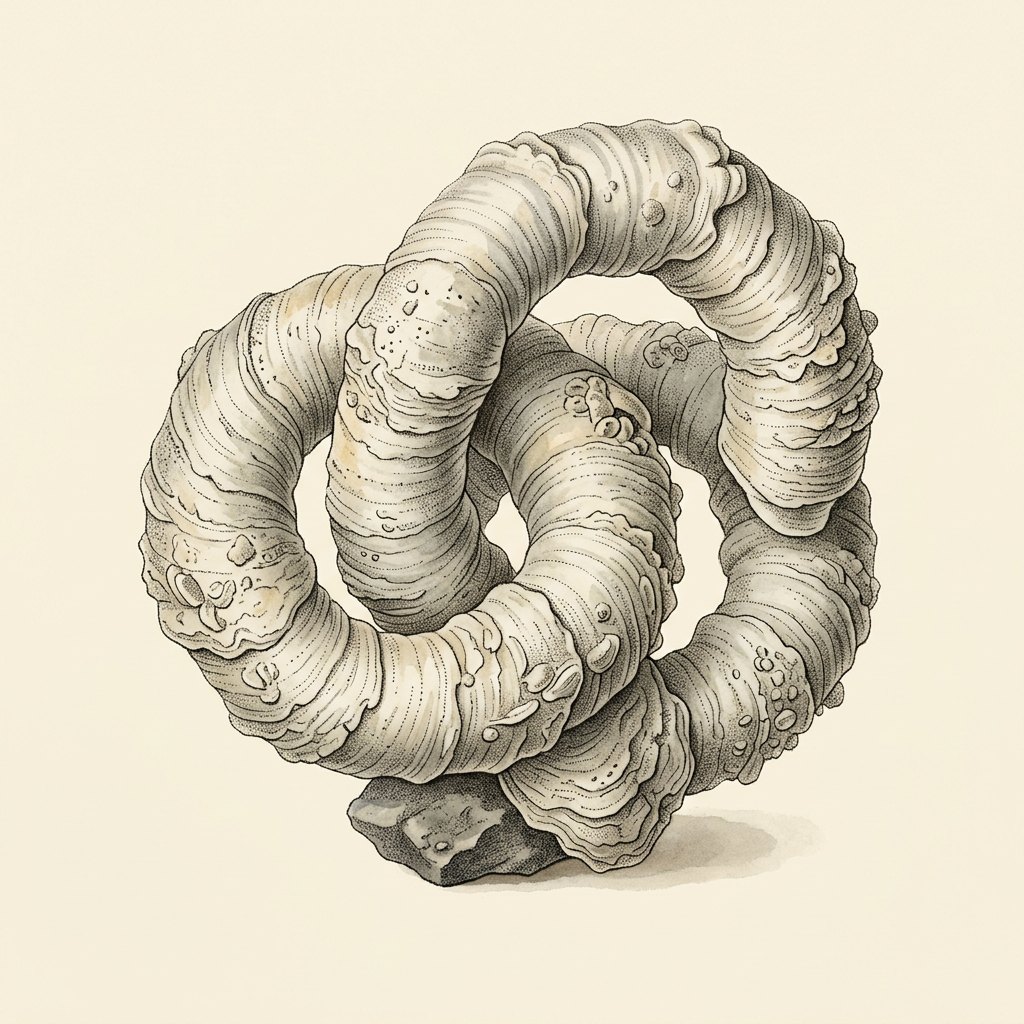
Florida Worm Snail
Thylacodes squamigerus
A snail that gave up spiralling and grew into a twisted tube cemented to rock and shell.
RestrictedSafe to handle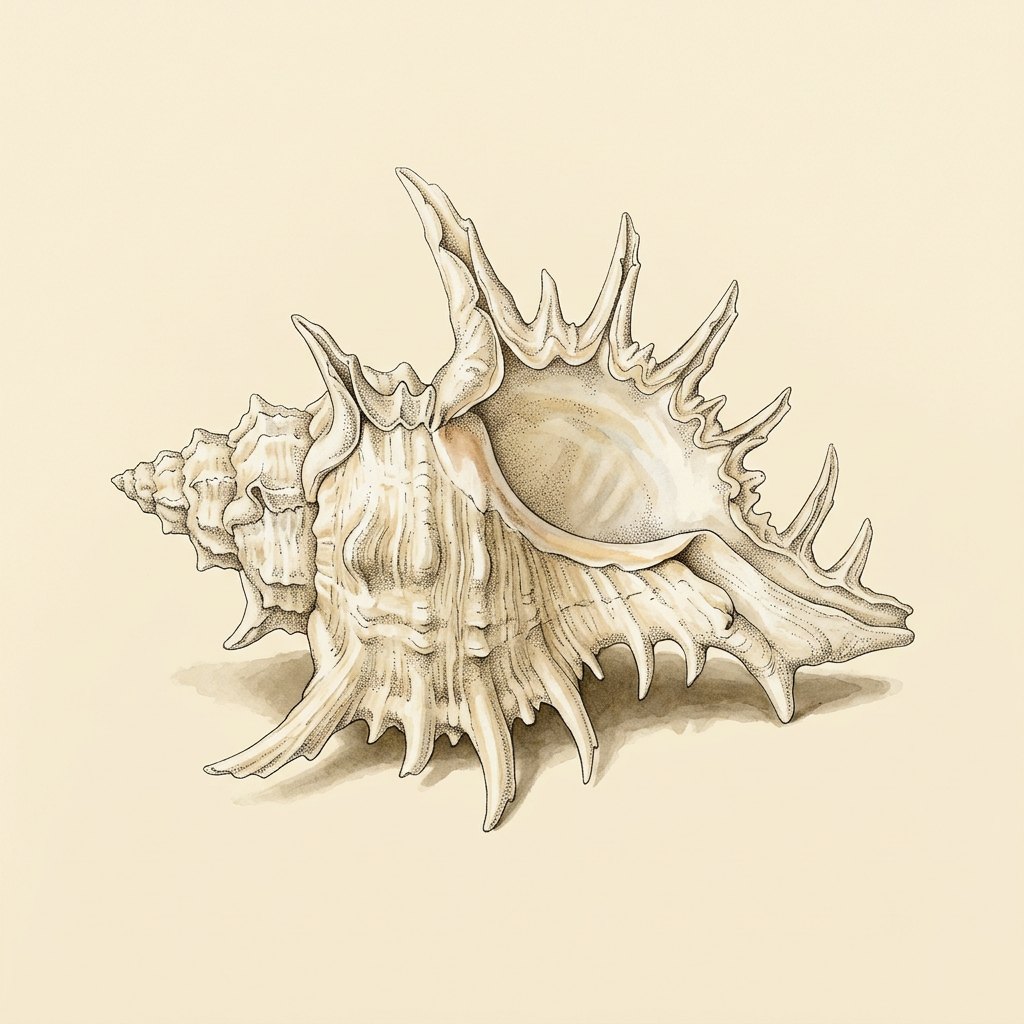
Giant Eastern Murex
Hexaplex fulvescens
The largest murex in Florida waters, a heavy spiny shell that can approach seven inches.
RestrictedSharp edges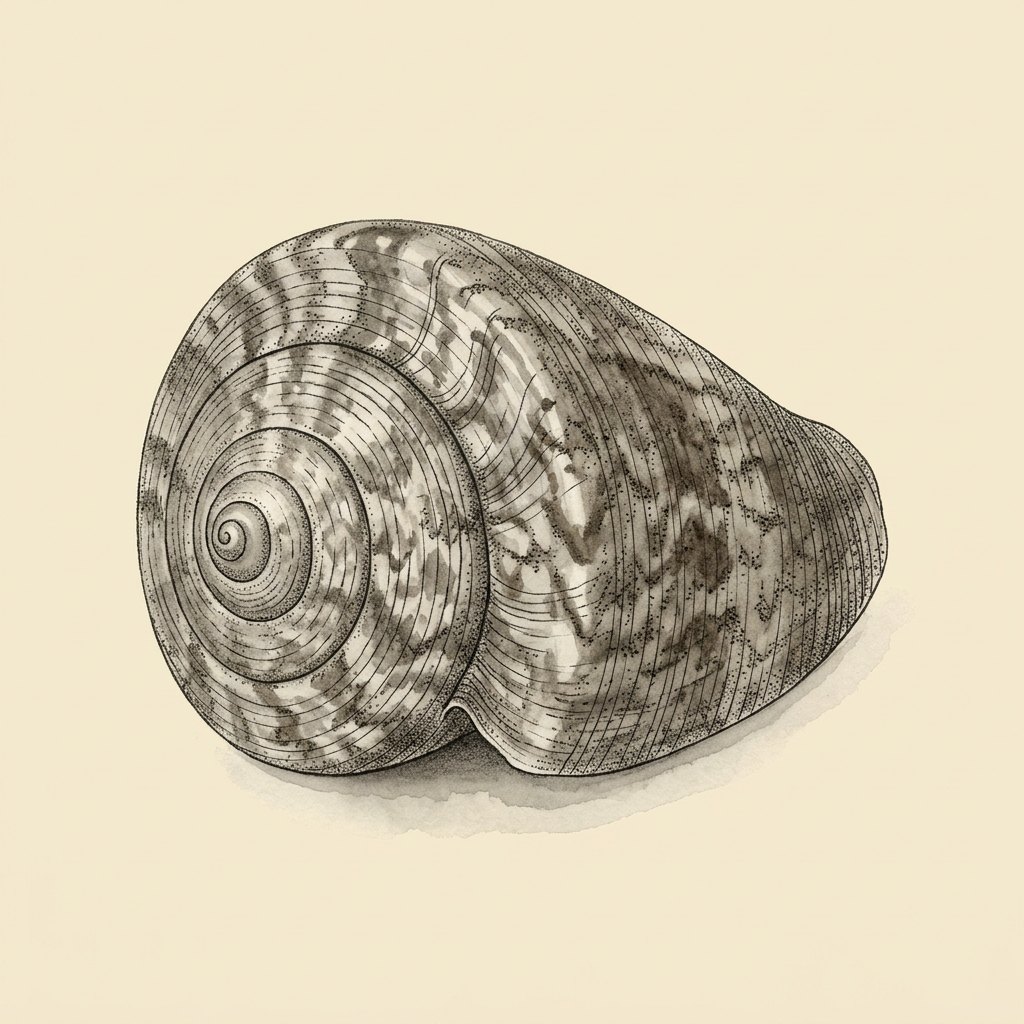
Jasper Cone
Conus jaspideus
A tiny cone with fine spiral grooves and grey-brown mottling, easy to overlook in shell drifts.
RestrictedPossibly venomous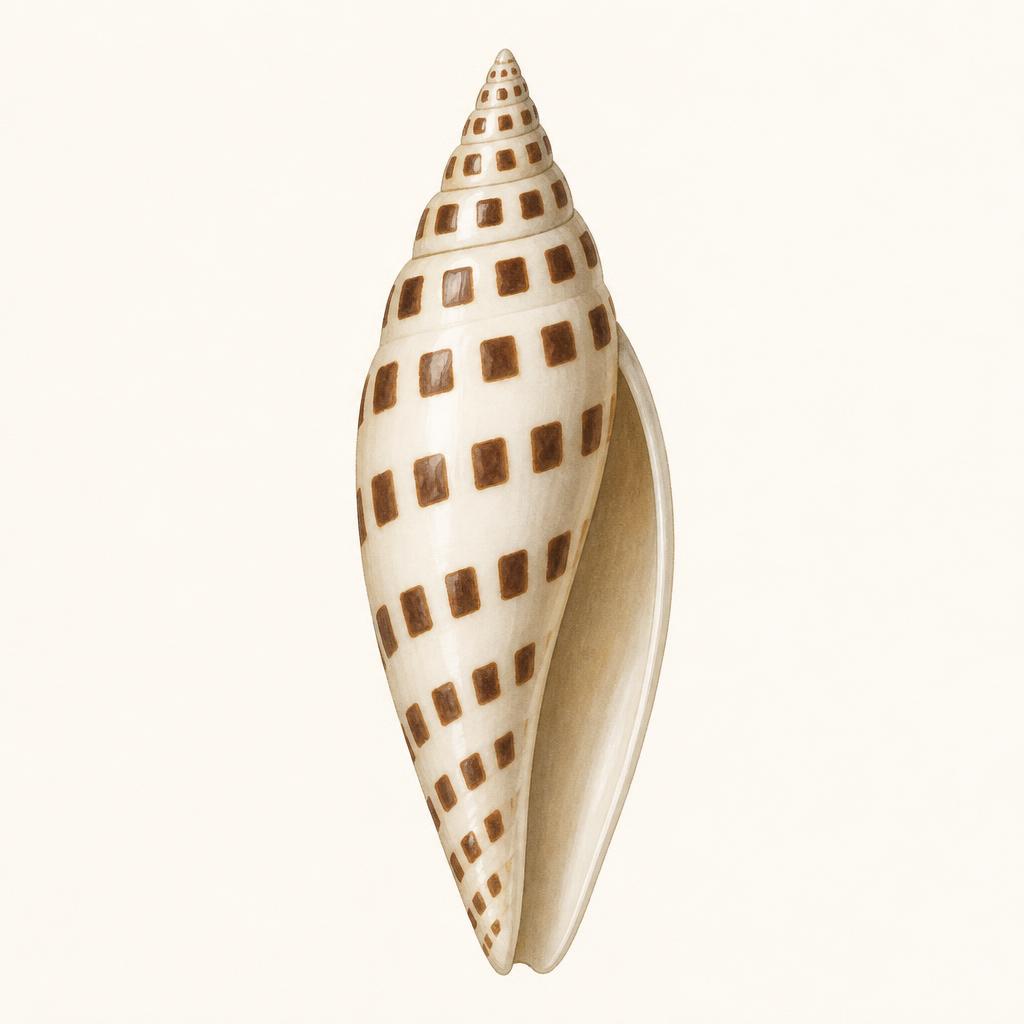
Junonia
Scaphella junonia
The trophy shell of southwest Florida. Cream with neat rows of brown squares.
Usually legal to collectSafe to handle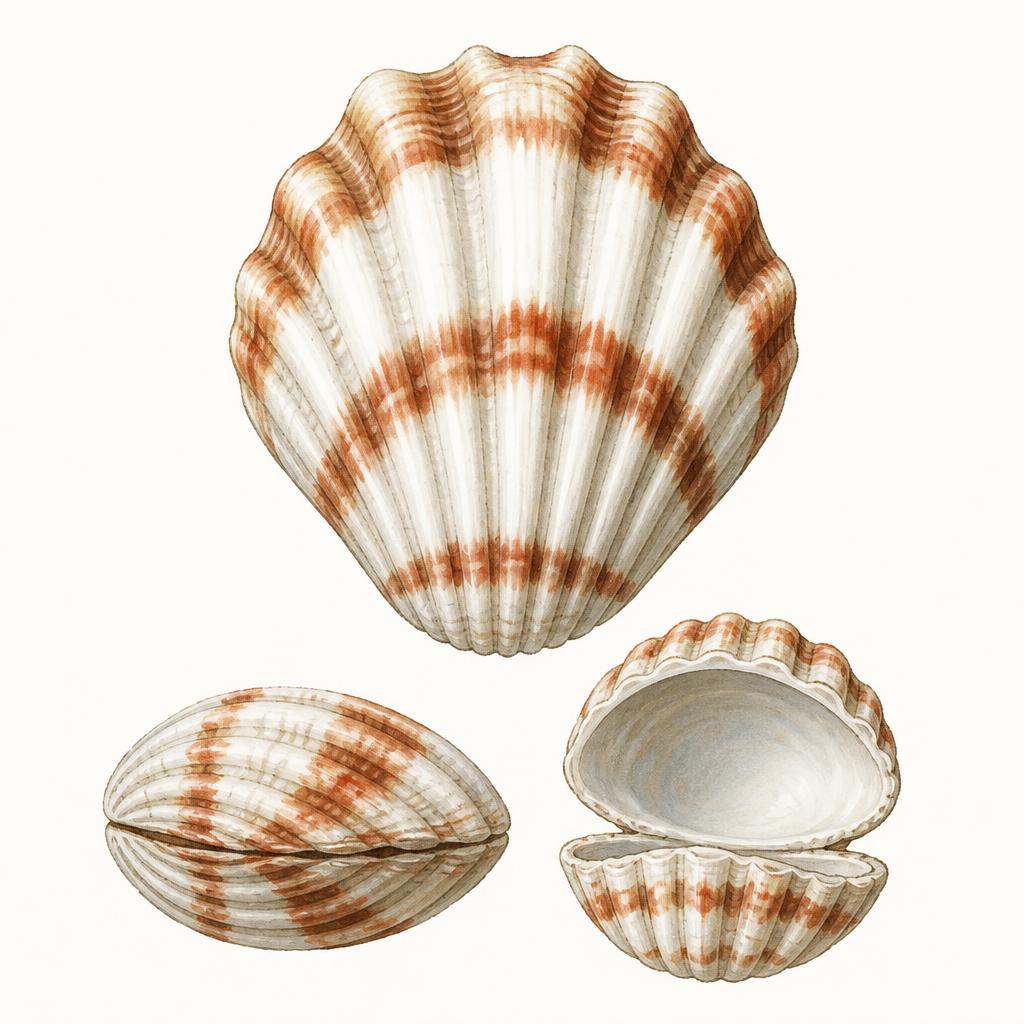
Kitten's Paw
Plicatula gibbosa
A small, thick, ribbed clam shaped like a tiny paw print.
Usually legal to collectSafe to handle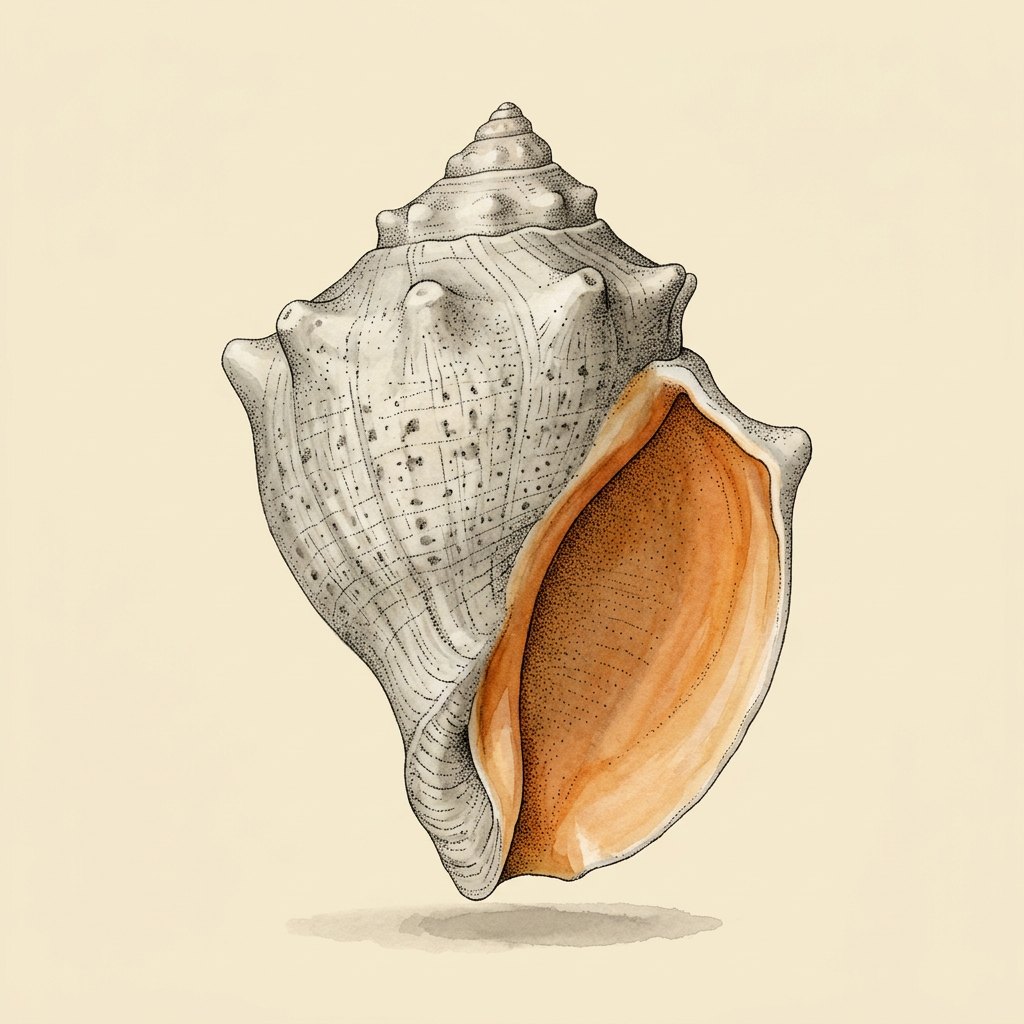
Knobbed Whelk
Busycon carica
A right-handed whelk with a ring of blunt knobs on the shoulder, most common on Florida's Atlantic side.
RestrictedHandle with care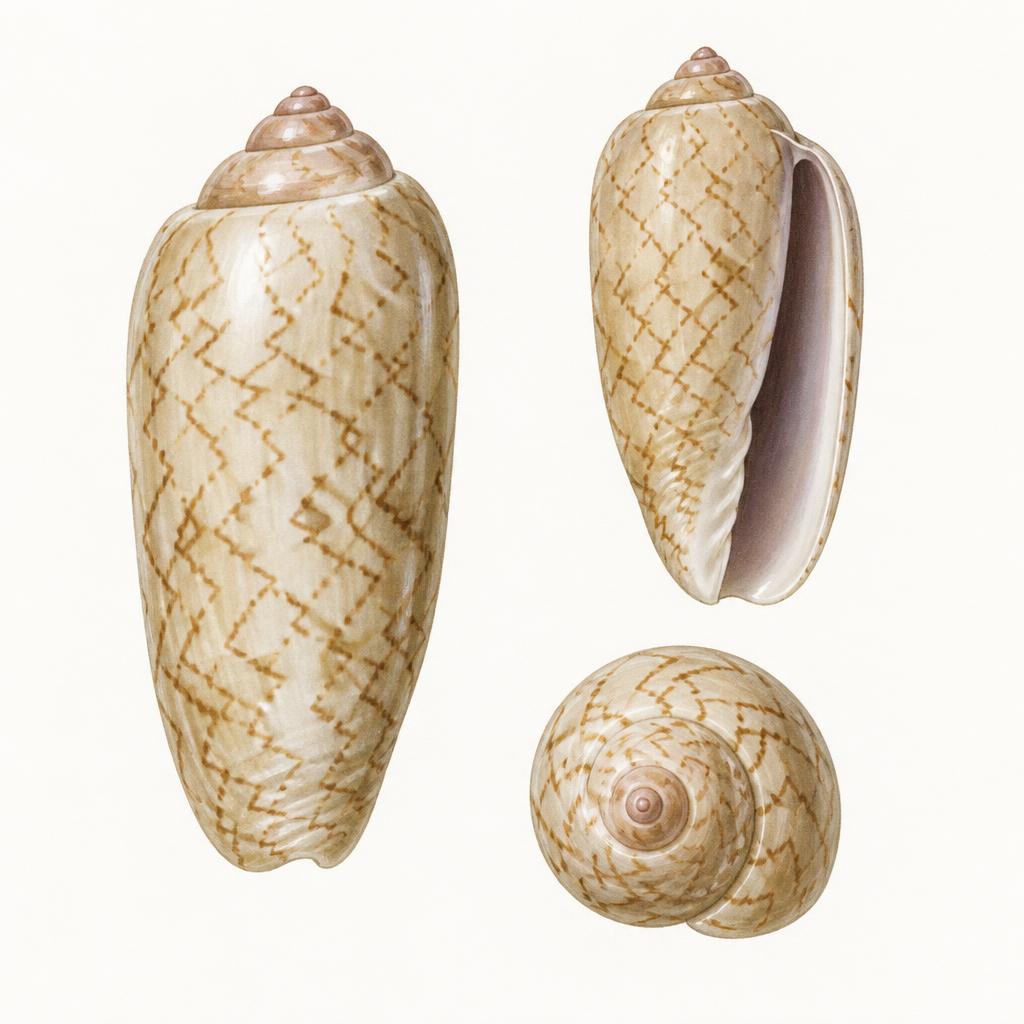
Lettered Olive
Americoliva sayana
A slender, highly glossy cylinder covered in fine zigzag markings.
Usually legal to collectSafe to handle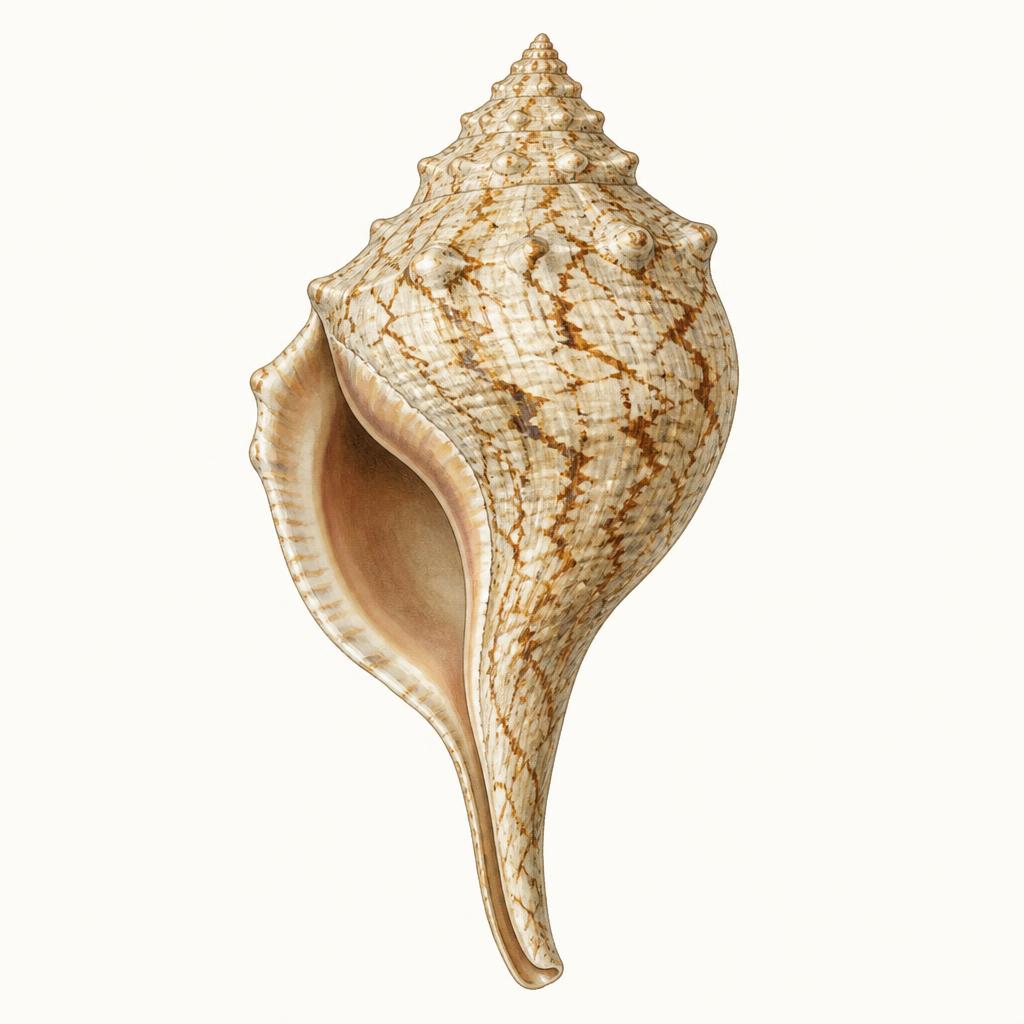
Lightning Whelk
Sinistrofulgur perversum
The Florida state shell and the only common large whelk that coils to the left.
Usually legal to collectSafe to handle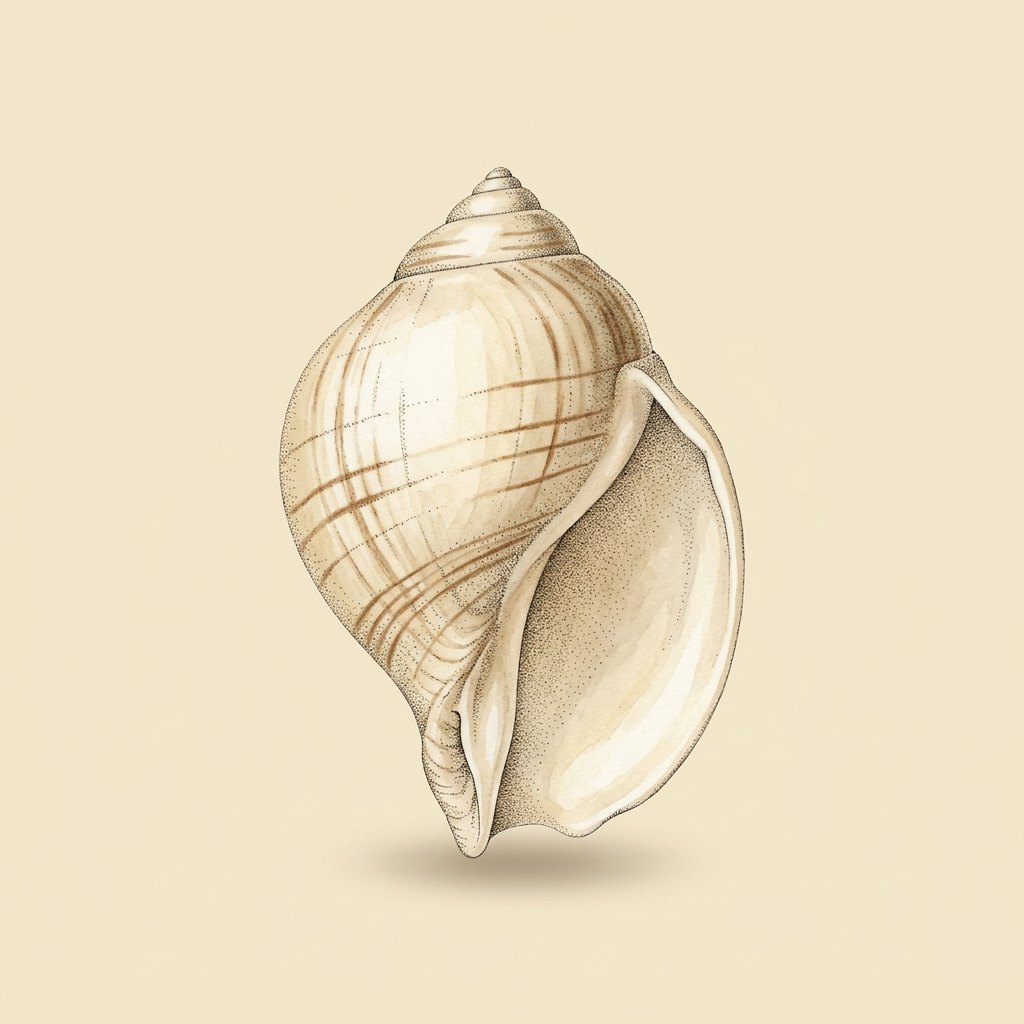
Pear Whelk
Busycotypus spiratus
A light, thin-walled whelk shaped like a pear, with fine spiral lines and no knobs.
RestrictedSafe to handle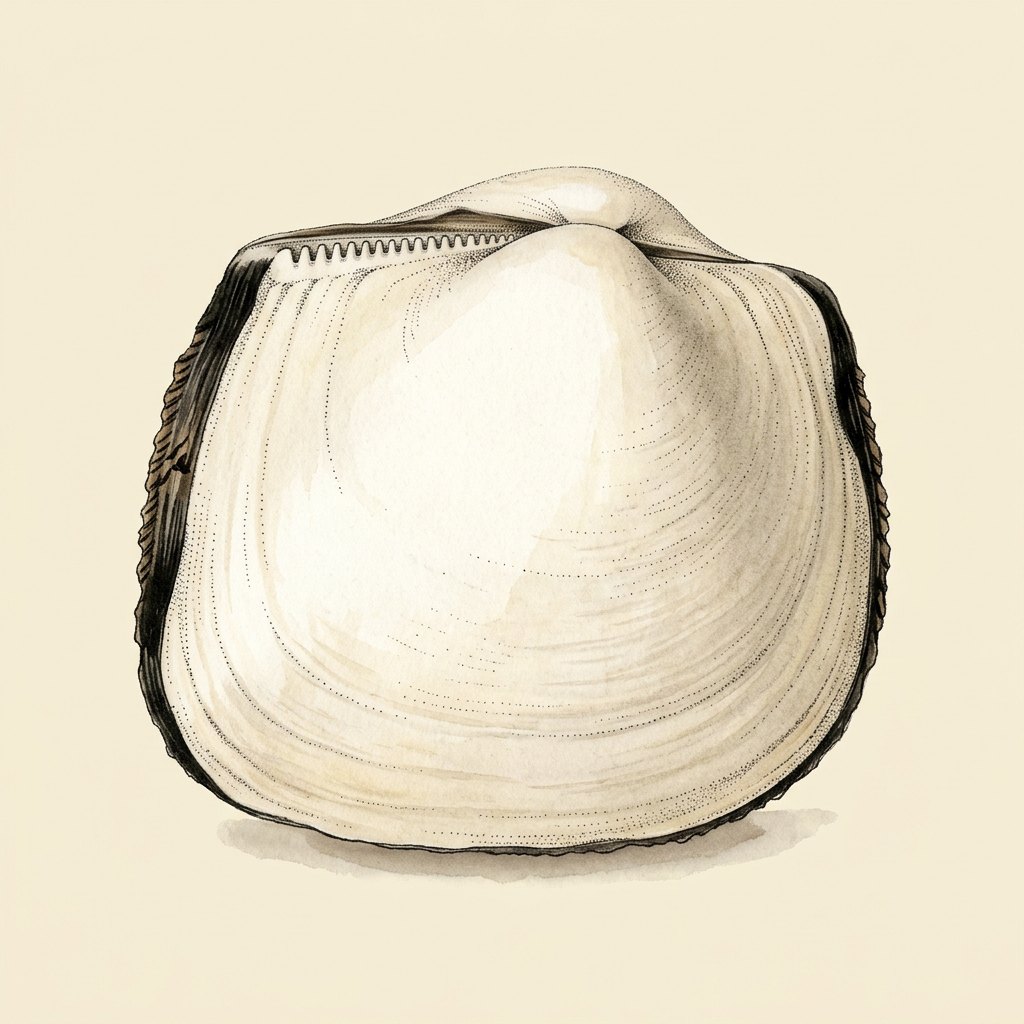
Ponderous Ark
Noetia ponderosa
A heavy, boxy ark shell with a straight-toothed hinge and, often, a black velvet skin still clinging on.
RestrictedSafe to handle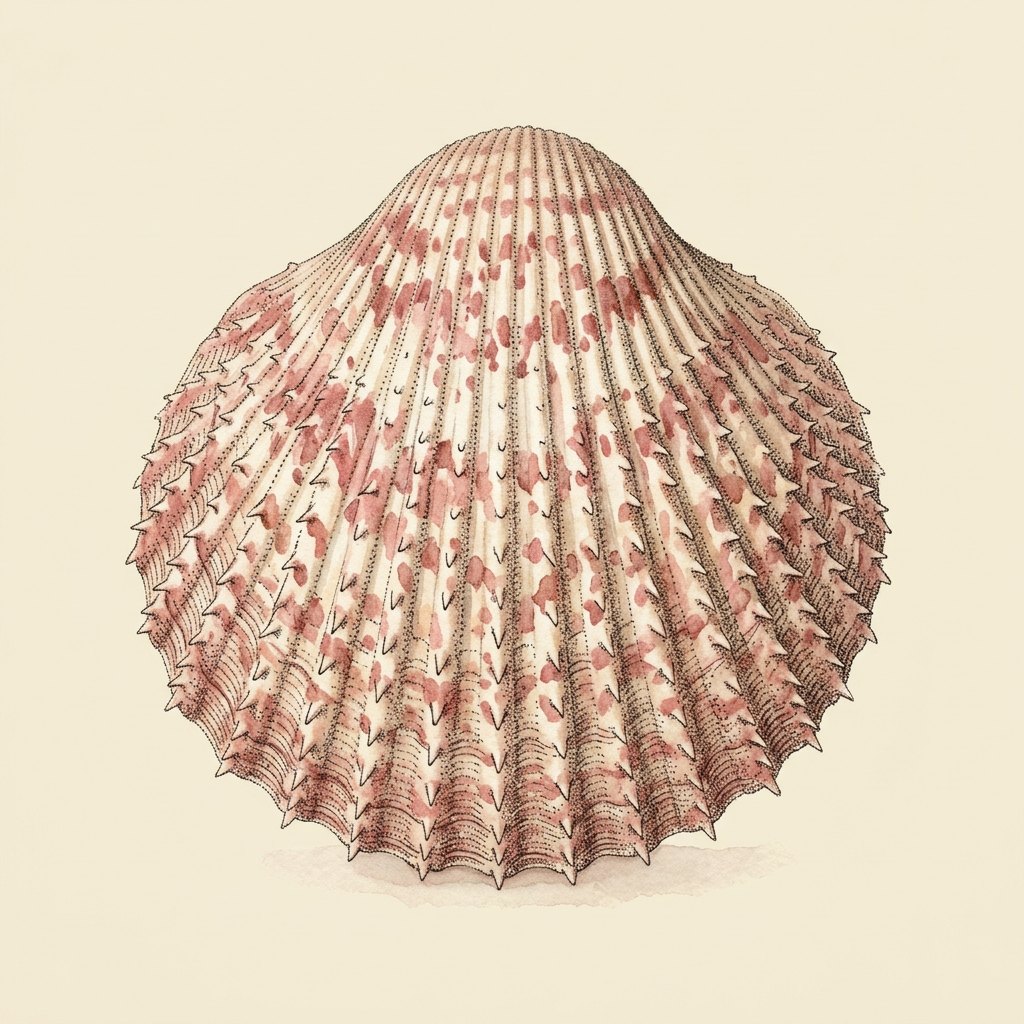
Prickly Cockle
Dallocardia muricata
A small cockle whose ribs carry tiny spines, giving it a rough, prickly feel.
RestrictedSafe to handle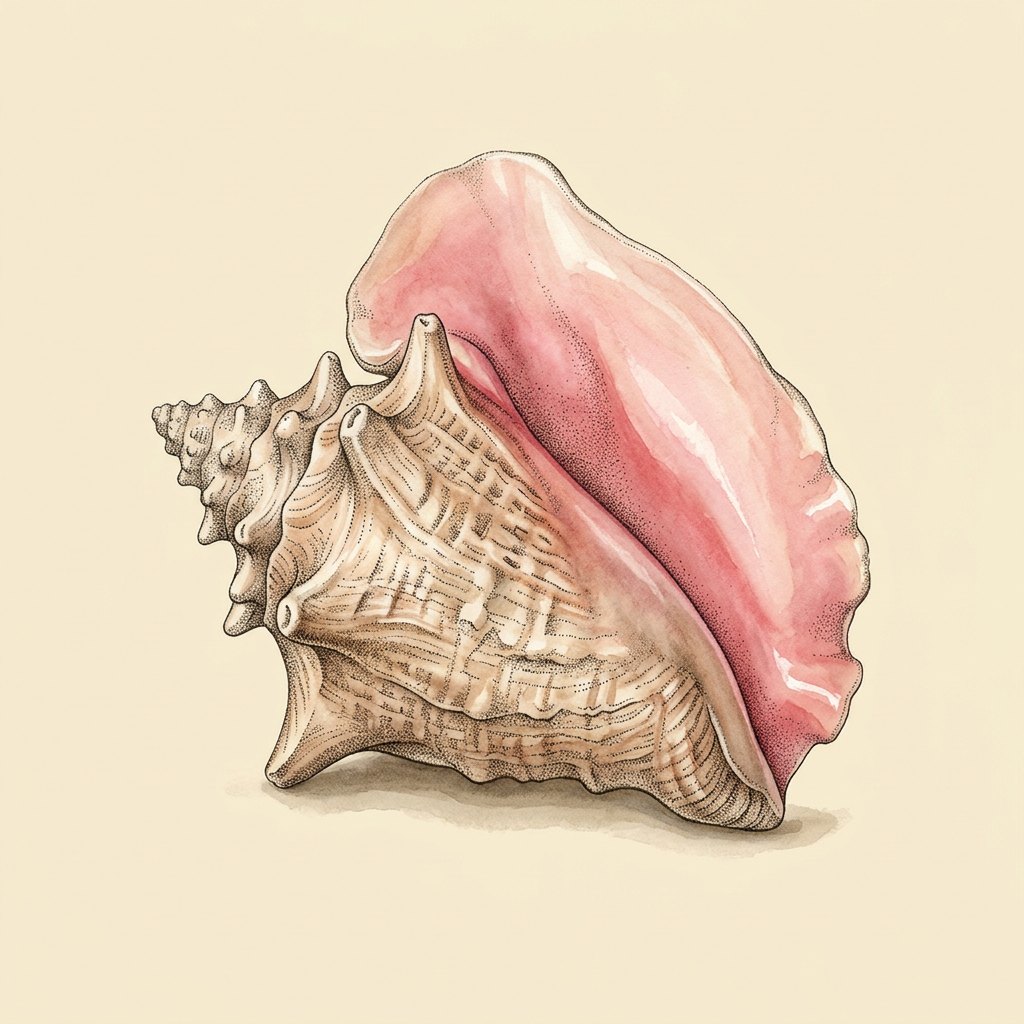
Queen Conch
Aliger gigas
The pink-lipped Caribbean icon. Live queen conch are fully protected in Florida, so beachcombers look for old, sun-bleached shells and fragments.
Protected, do not collectSafe to handle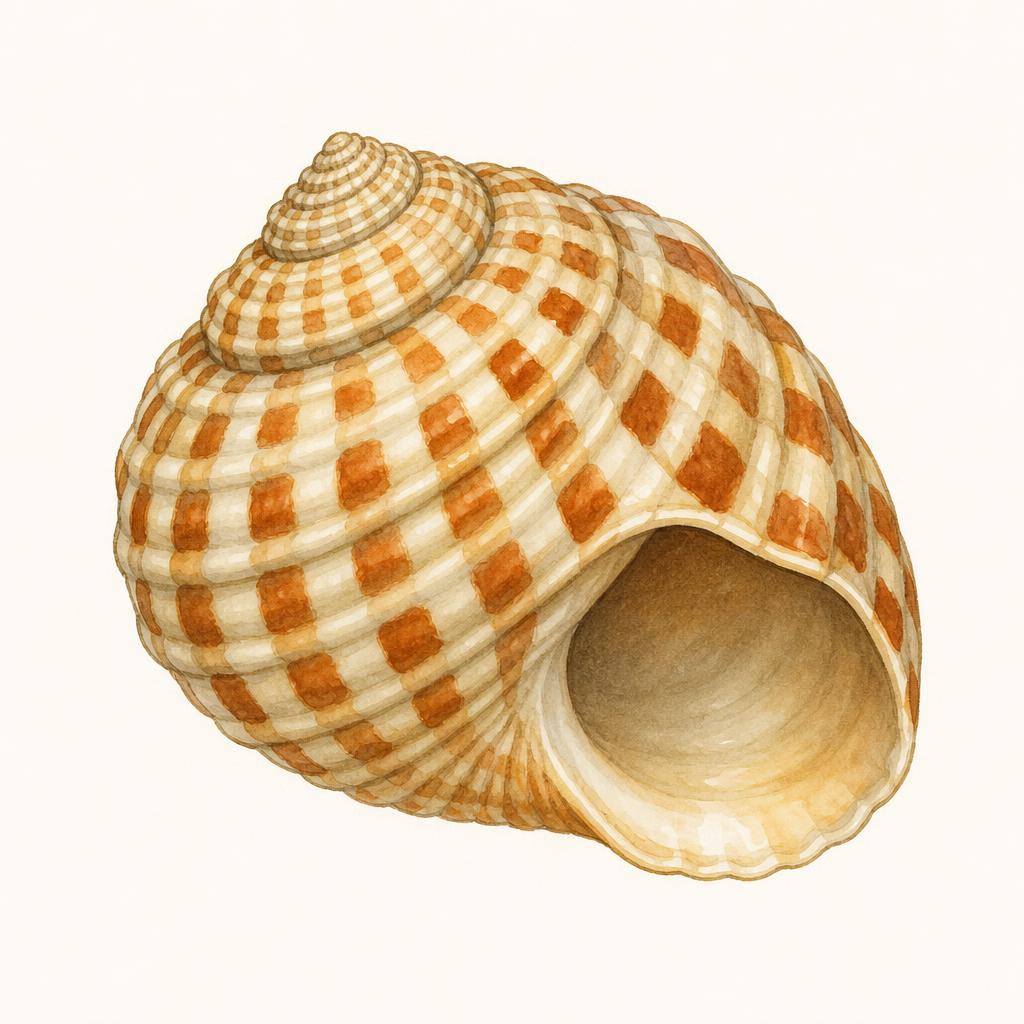
Scotch Bonnet
Semicassium granulatum
A rounded, grooved shell with orange checkerboard squares.
Usually legal to collectSafe to handle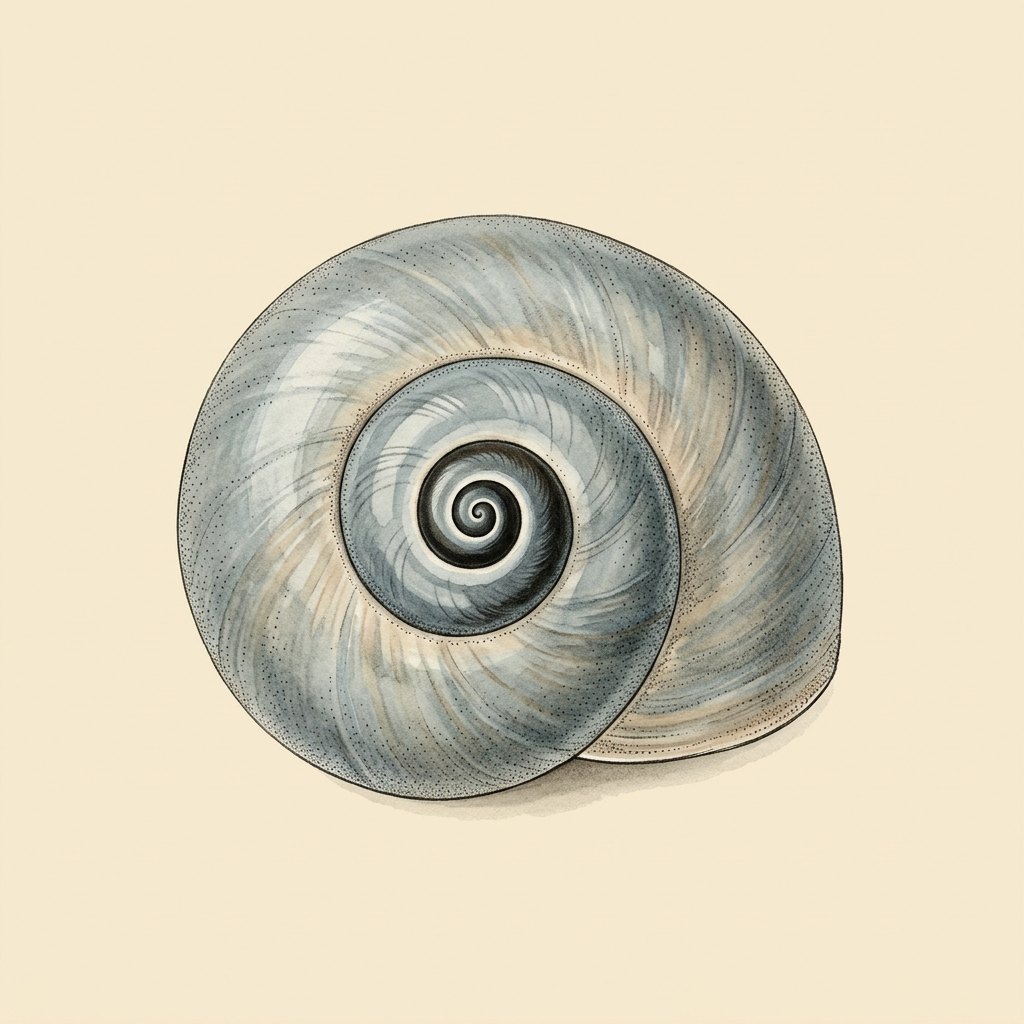
Shark Eye
Neverita duplicata
A smooth, polished dome with a dark spiral eye at the top — the moon snail responsible for countless drilled clam shells.
RestrictedSafe to handle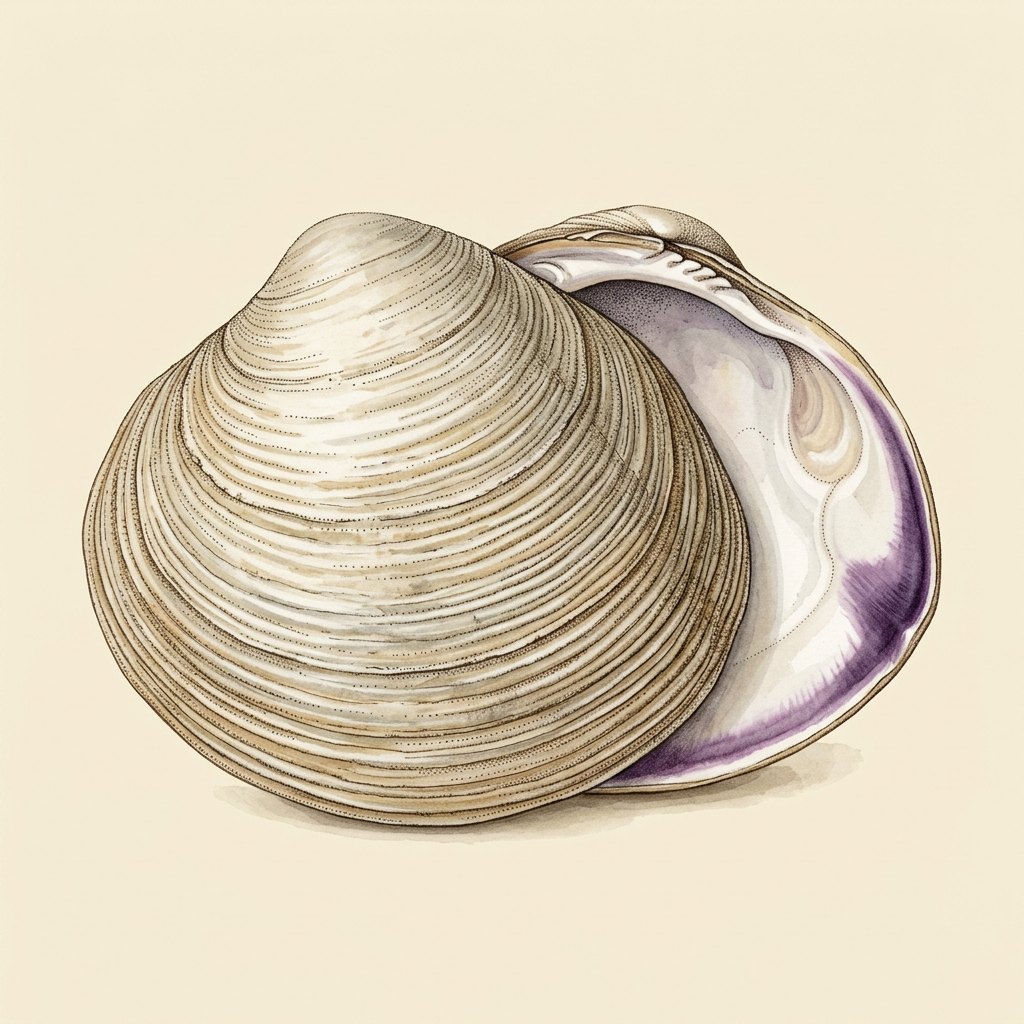
Southern Quahog
Mercenaria campechiensis
A thick, heavy clam with growth-ridged valves and a deep purple stain inside the margin.
Check local rulesSafe to handle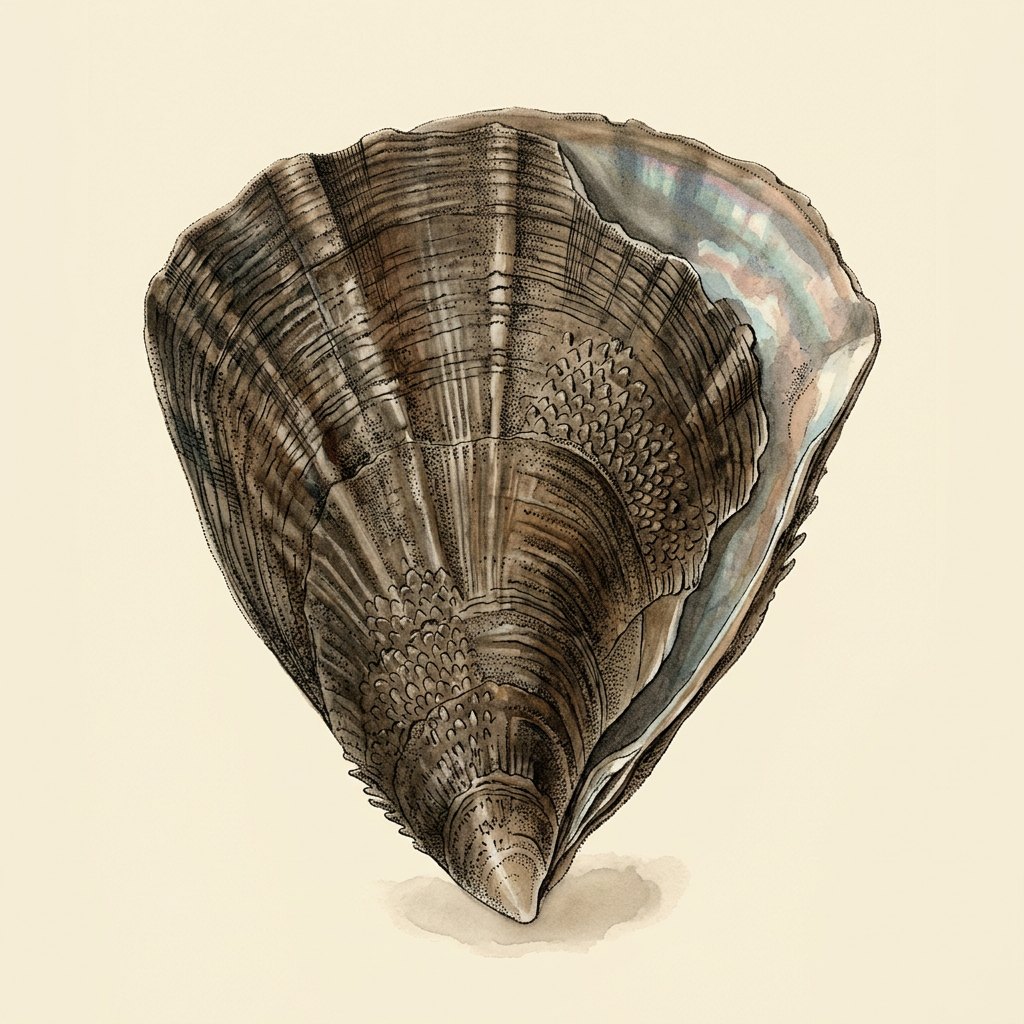
Stiff Pen Shell
Atrina rigida
A big, brittle, fan-shaped shell that stands point-down in the sand and shatters in the surf.
RestrictedSharp edges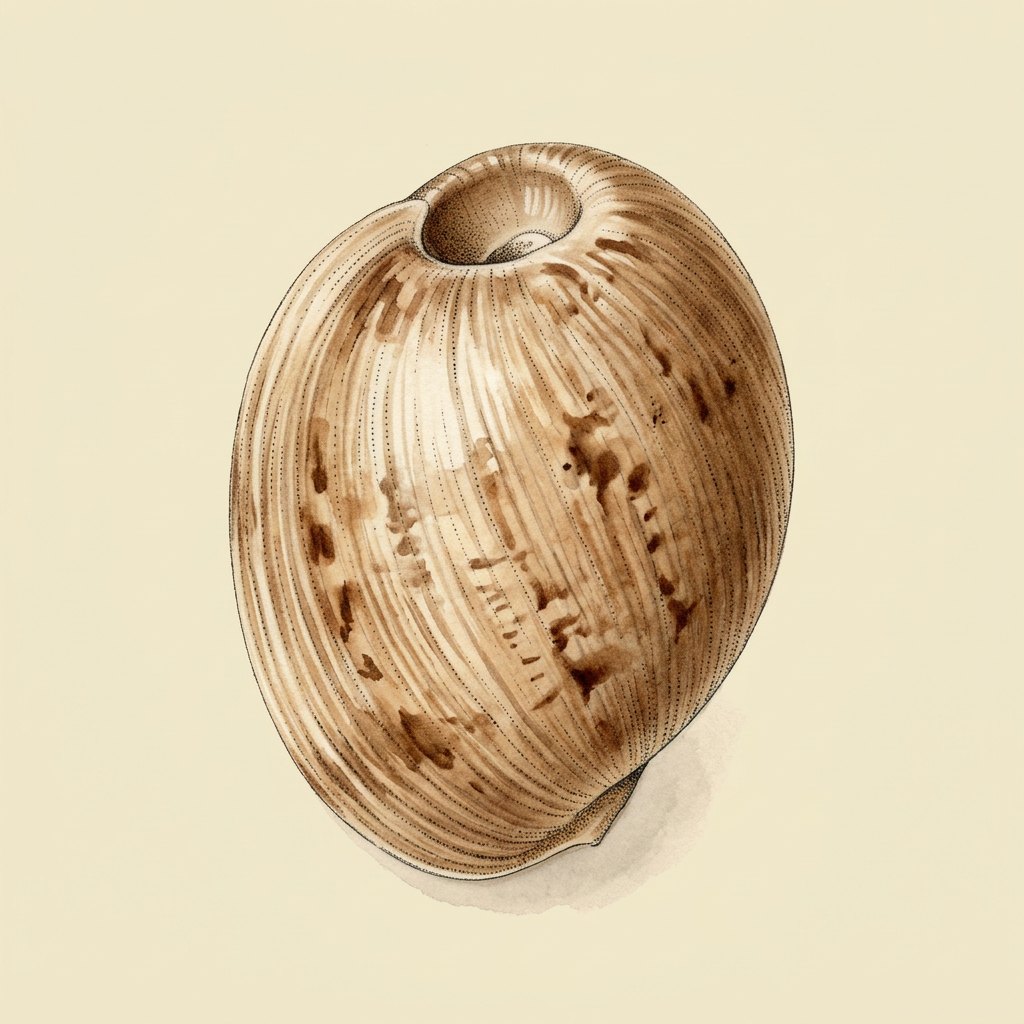
Striate Bubble
Bulla striata
A rounded, thin brown shell shaped like an olive with the spire sunk inside.
RestrictedSafe to handle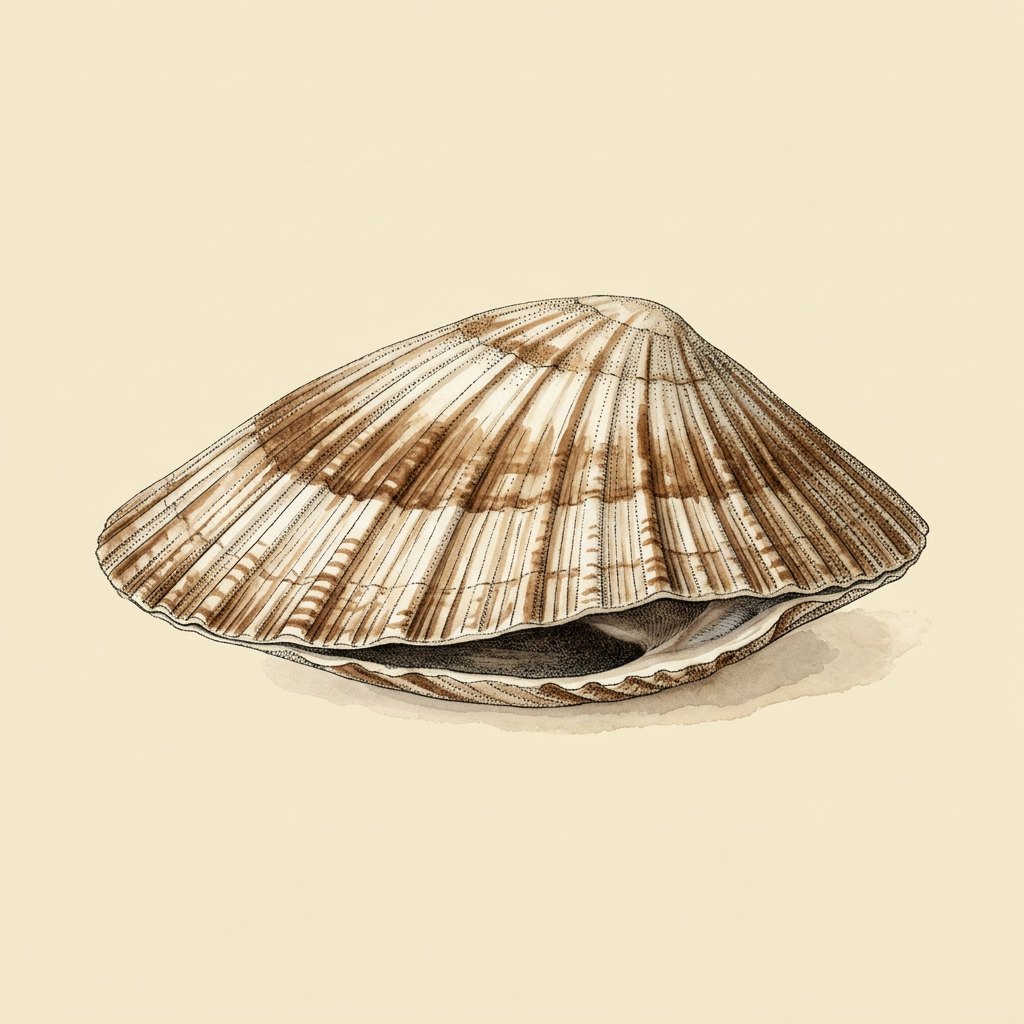
Striped False Limpet
Siphonaria pectinata
A low, ribbed cone clinging to jetty rock, striped in brown over cream.
RestrictedSafe to handle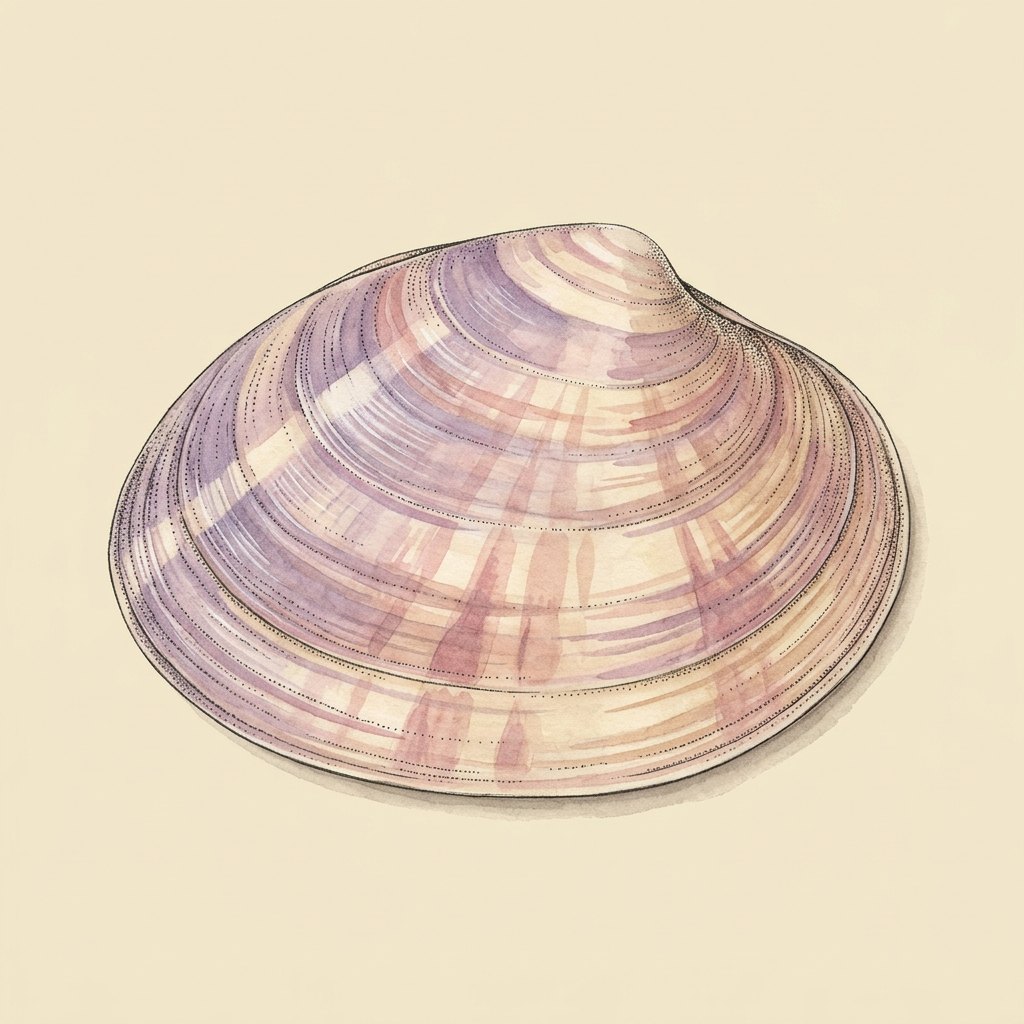
Sunray Venus
Macrocallista nimbosa
A long, glossy clam rayed in lavender and pink like light through a cloud bank.
RestrictedSafe to handle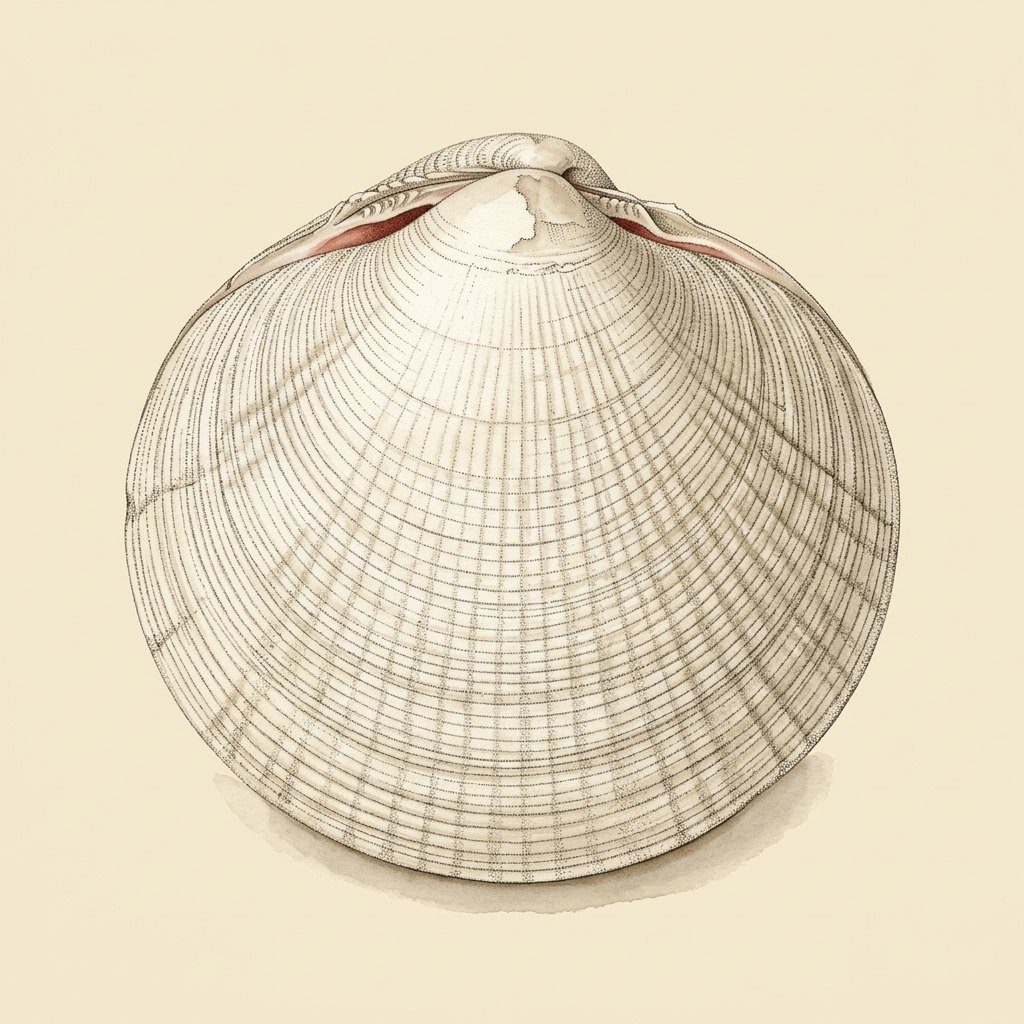
Tiger Lucine
Codakia orbicularis
A large, round white clam with fine crosshatch sculpture and a pink or red-flushed interior.
RestrictedSafe to handle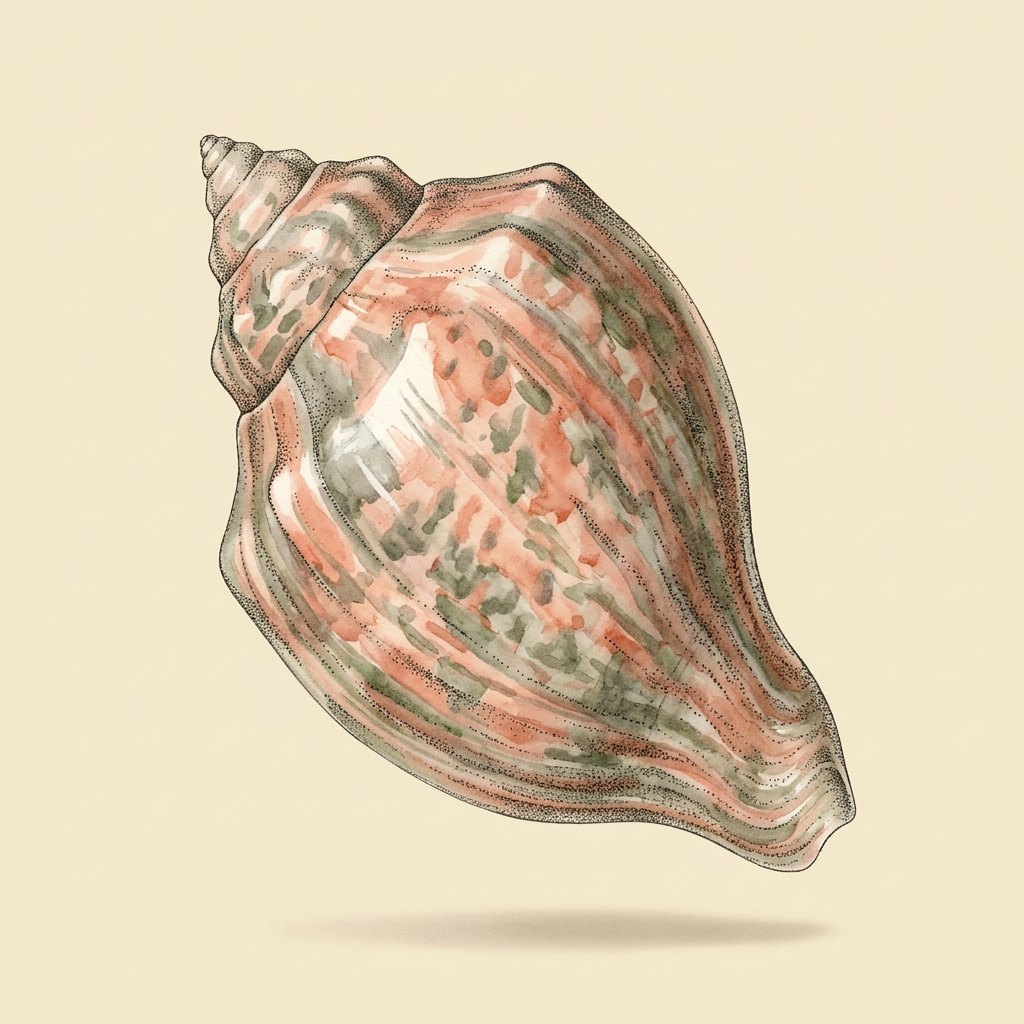
True Tulip
Fasciolaria tulipa
A smooth, glossy spindle shell streaked in salmon, grey and green, larger and rounder than the banded tulip it is usually confused with.
RestrictedHandle with care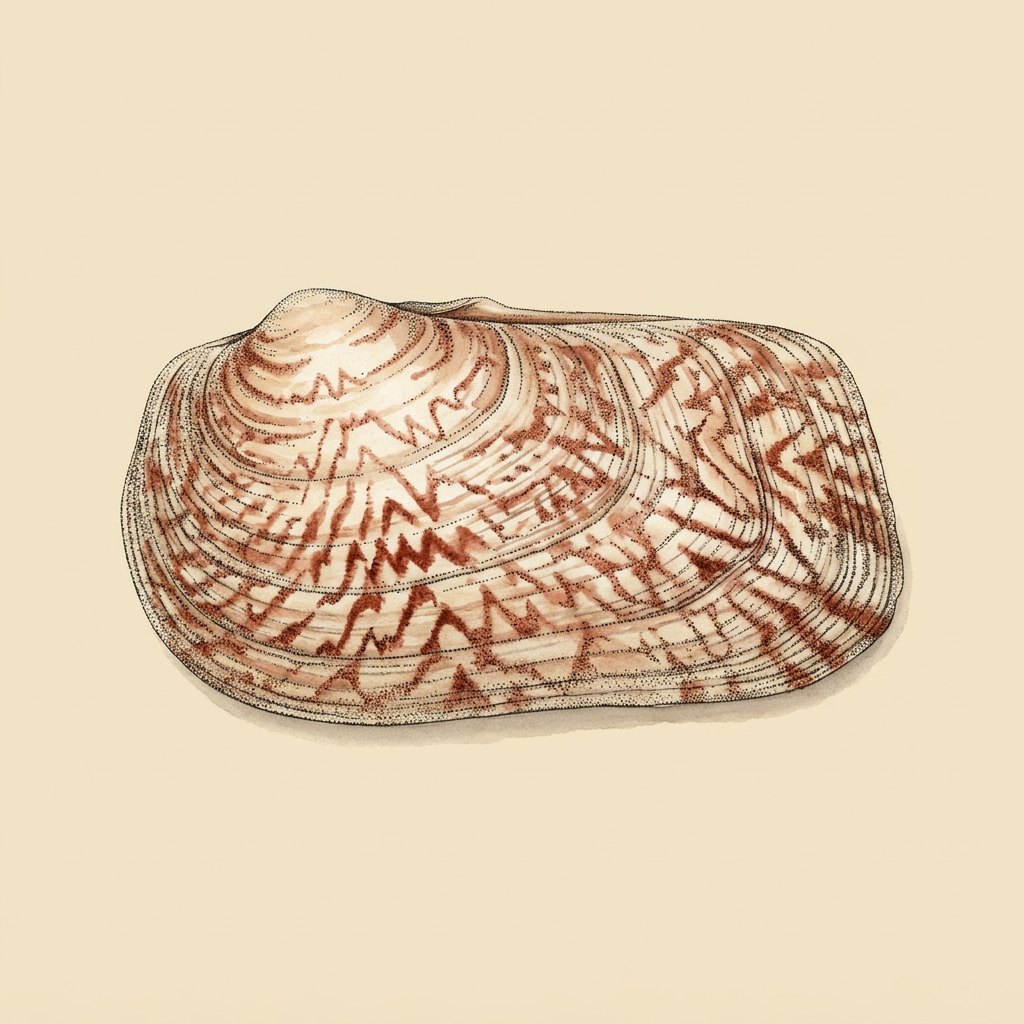
Turkey Wing
Arca zebra
An elongated ark streaked in reddish brown zigzags like a turkey feather, usually found attached to rock.
RestrictedSafe to handle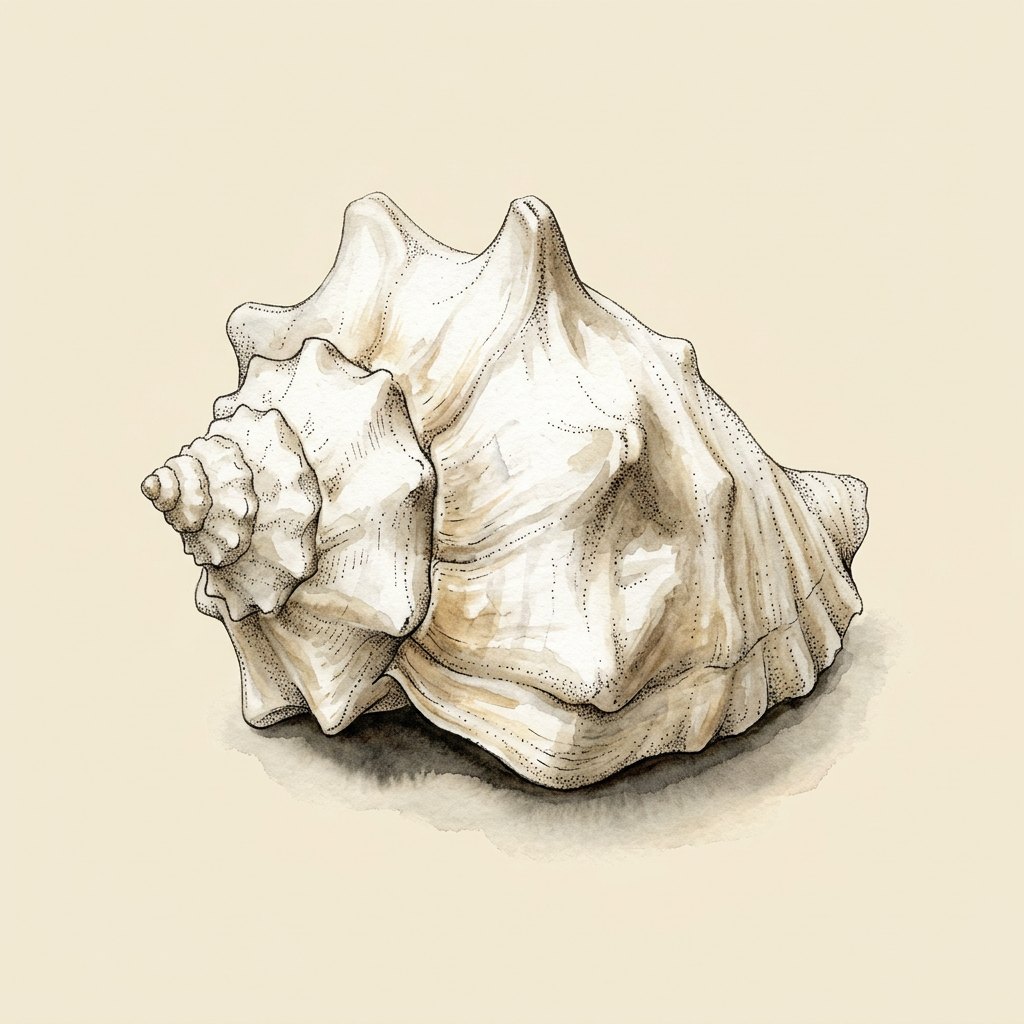
West Indian Star Shell
Lithopoma americanum
A stout conical shell ringed with blunt triangular points, giving a star outline from below.
RestrictedSafe to handle