Yellowware Sherd
Yellow-bodied earthenware
Also known as Yellow ware fragment
Markings and exact colorations may vary.
A golden-yellow ceramic body that remains yellow across a chipped edge, with or without surface bands.
- Typical size
- 0.5–3 in; fragments vary
- How often it turns up
- Occasional; depends heavily on local history and shoreline
- Collecting
- Archaeological, leave in place
- Handling
- Sharp edges
Loose modern sherds may be collected where permitted. Leave artifacts in state/federal parks, preserves, protected historic or archaeological sites, wrecks and submerged cultural sites; ask the land manager when unsure.
Check broken edges; photograph unusual or contextual finds in place.
How to tell it apart
- Yellow to buff clay visible through broken edge
- Clear glaze or simple brown bands may remain
- Opaque porous body, not yellow glass
Found one?
Photograph it and BeachNut ranks the likely matches with a confidence read, then logs it to your collection with the beach and date.
Browsing beaches and the full field guide is free. A free account logs unlimited finds and gives you three photo identifications a day.
Commonly confused with
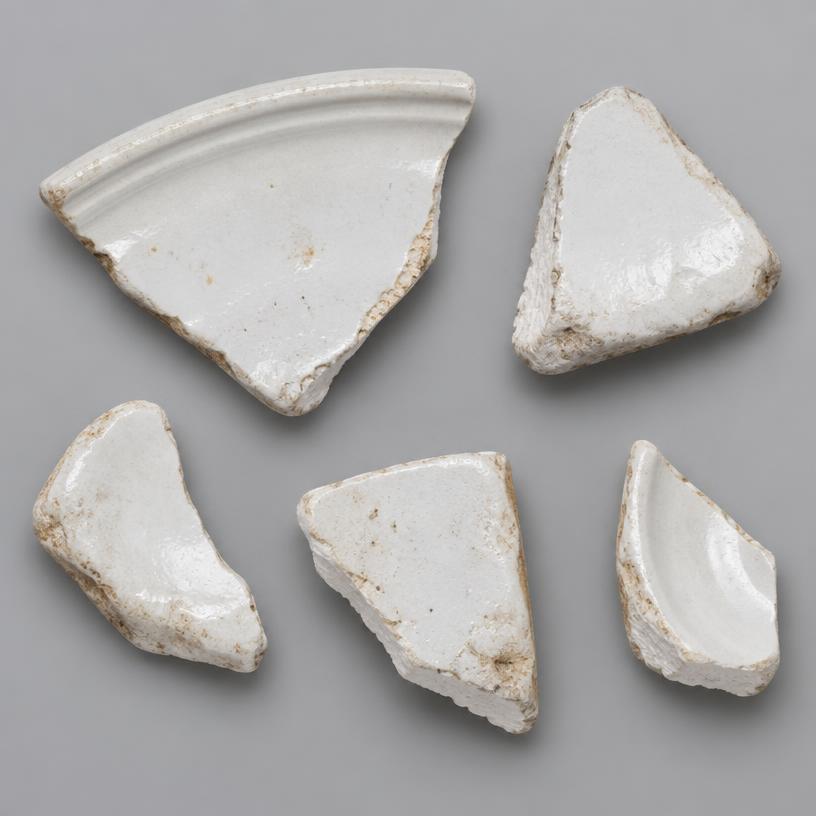
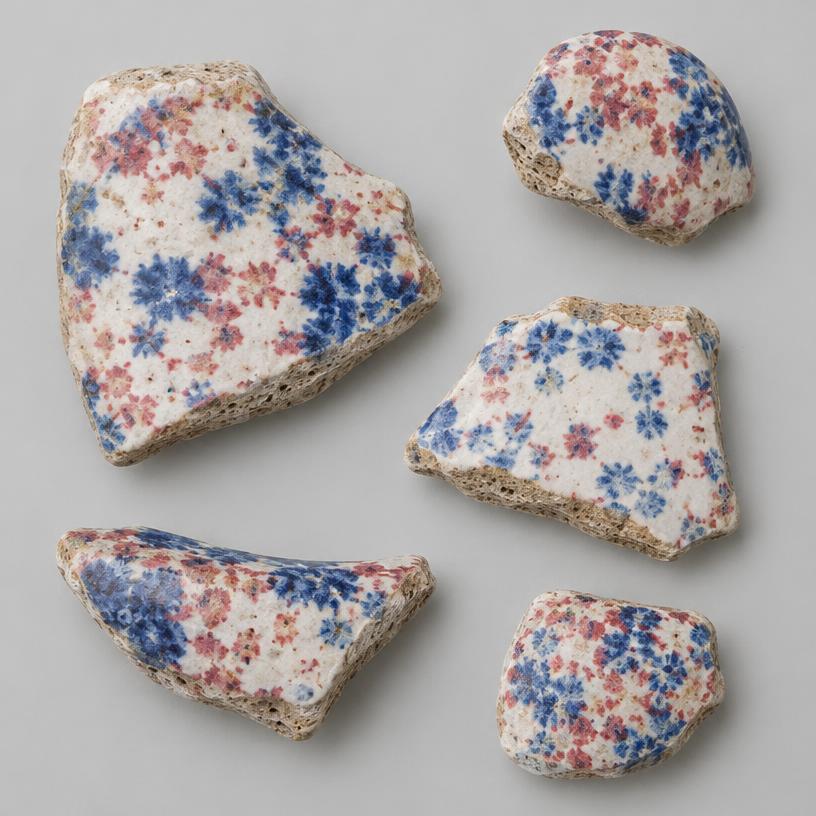
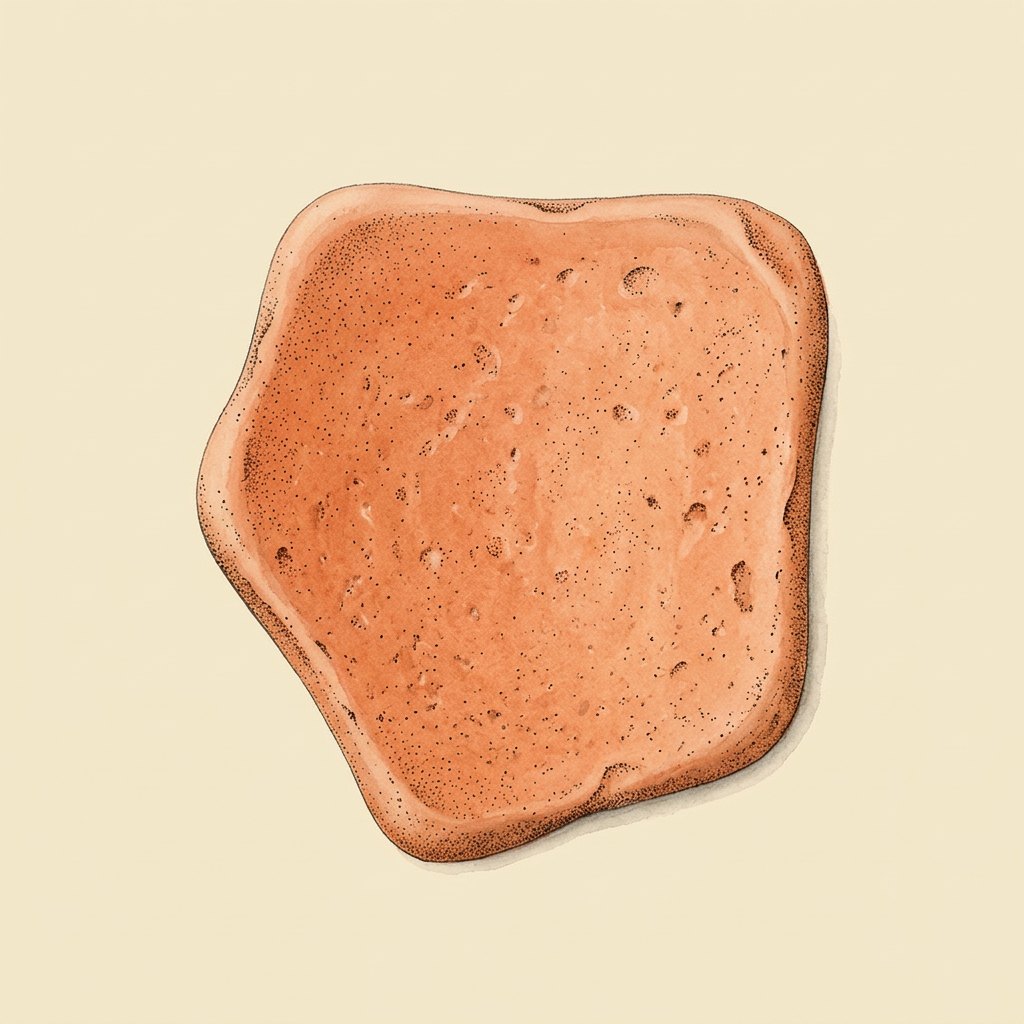
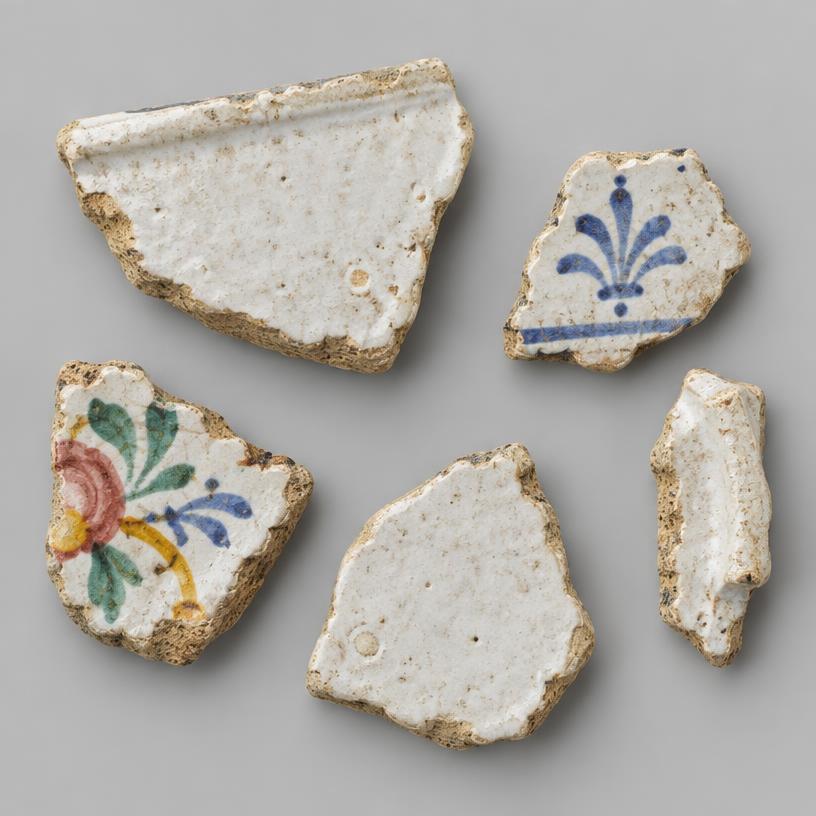
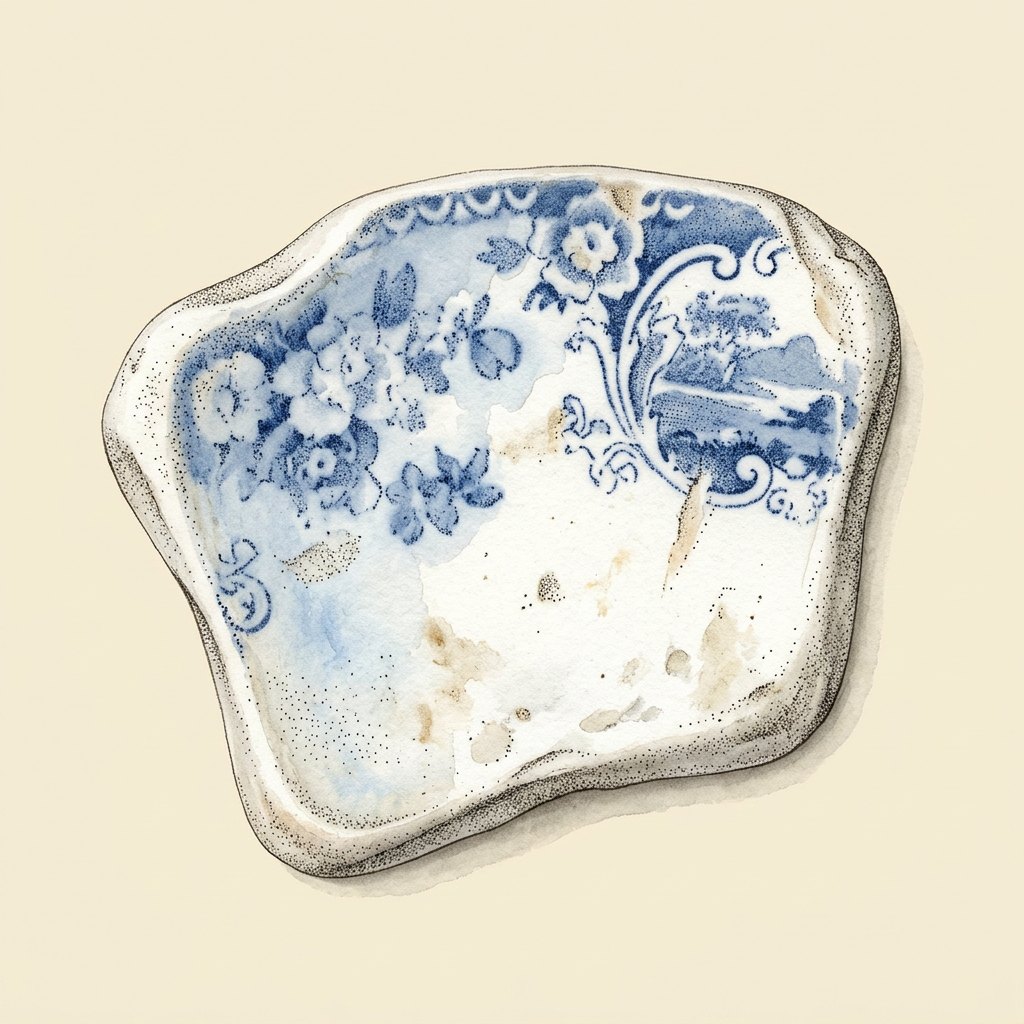
Earthenware SherdGlazed earthenware
Yellowware shows yellow clay through the broken edge; surface yellow glaze alone is not enough.
More beach pottery in the field guide
Get Florida beachcombing tips
Occasional emails: what's washing up, shelling tips and new BeachNut features. No spam, unsubscribe any time.