Gulf Stone Crab
Menippe adina
Markings and exact colorations may vary.
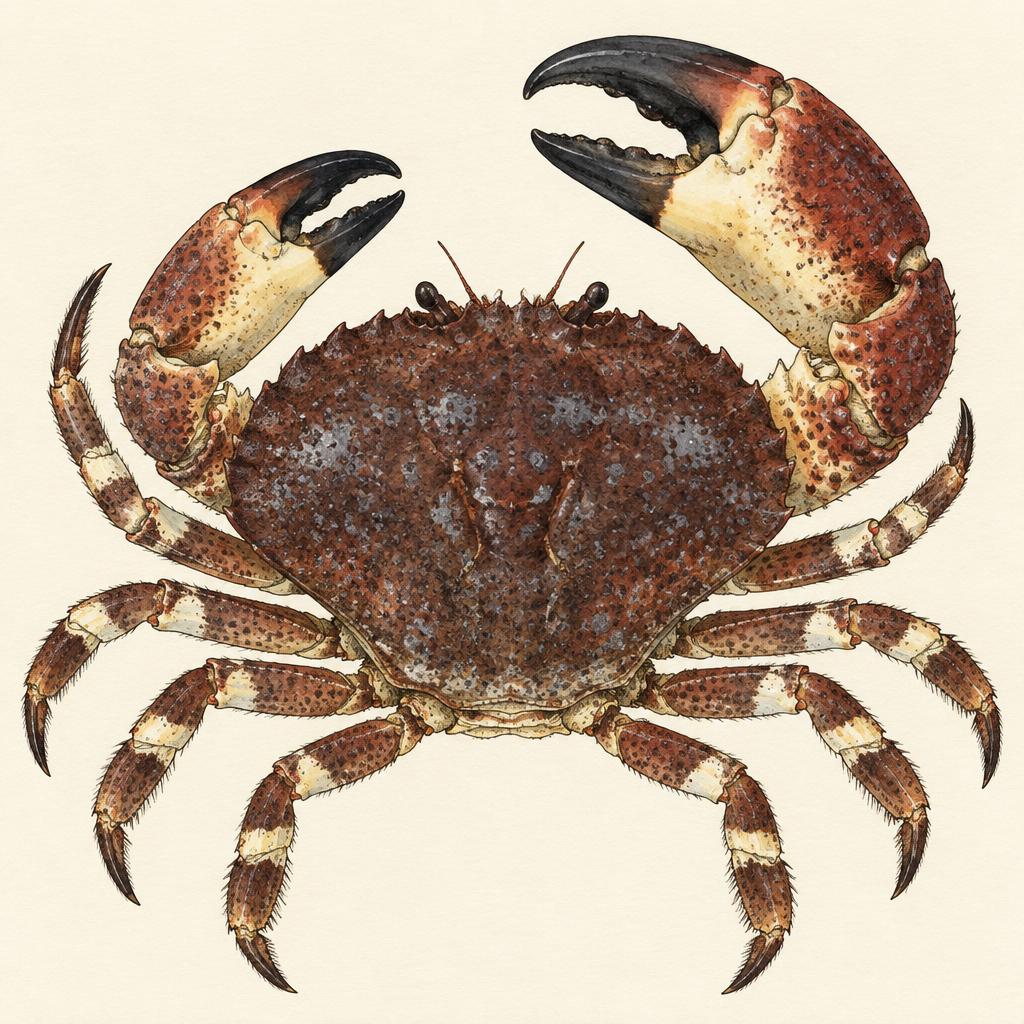
A heavy stone crab with an even, dark chocolate-brown shell and black-tipped claws.
- Typical size
- Shell up to 5 in
- How often it turns up
- Common in its range
- Collecting
- Restricted
- Handling
- Photograph and release
Harvest is regulated by FWC as stone crab: claws only, in season, with size limits and a license. Never take the whole crab.
Powerful claws. Don't pick it up.
How to tell it apart
- Heavy oval carapace, uniform dark brown, few or no spots
- Massive unequal claws with black fingertips
- Legs lack the bold bands of Florida stone crab
Where to find these in Florida
Beaches rated very good or excellent for tidepool life. Each page shows today’s score, the best window and access details.
- Bathtub Reef Beach · Stuart
- Anne's Beach · Islamorada
- Bahia Honda State Park · Big Pine Key
- Bathtub Beach · Stuart
- Caspersen Beach · Venice
- Curry Hammock State Park · Marathon
- Fort Zachary Taylor Historic State Park · Key West
- Harry Harris Park · Tavernier
- Higgs Beach · Key West
- John Pennekamp Coral Reef State Park · Key Largo
- Long Key State Park · Long Key
- Marineland Beach · Marineland
Found one?
Photograph it and BeachNut ranks the likely matches with a confidence read, then logs it to your collection with the beach and date.
Browsing beaches and the full field guide is free. A free account logs unlimited finds and gives you three photo identifications a day.
Commonly confused with
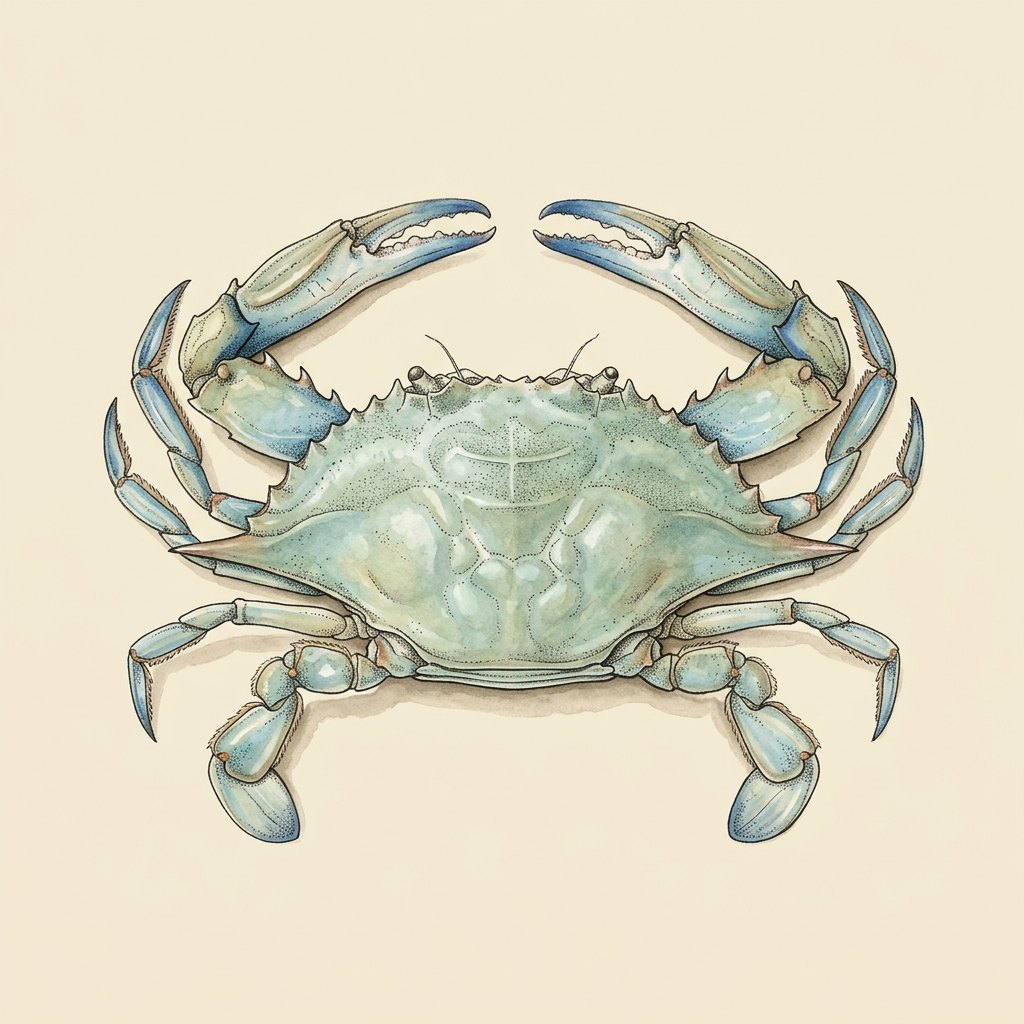
Florida Stone CrabMenippe mercenaria
Florida stone crab has grey spots and banded legs; Gulf stone crab is plain dark brown. Hybrids exist in the Big Bend.
More tidepool life in the field guide
Get Florida beachcombing tips
Occasional emails: what's washing up, shelling tips and new BeachNut features. No spam, unsubscribe any time.